

General Dentistry in
Pimple Saudagar, Pune
Routine check-ups, cavity treatment, toothache assessment and emergency care — comprehensive dental care based on your individual concerns and clinical needs.
Chat on WhatsApp
Practice
You Don’t Need to Diagnose It
Yourself — We’ll Assess It Together
20+
Years Experience
8,000+
Patients Seen
4.9
Patient Rating (Google)
“I hadn’t seen a dentist in years and dreaded it, but the check-up was thorough and nothing was rushed or judged.”
– Sanjay P., Pune
Which Service Do You Need?
Signs Worth Getting Looked At
You don’t need to diagnose the problem yourself before booking. Here are common reasons patients come in, and what happens next.
 The Problem
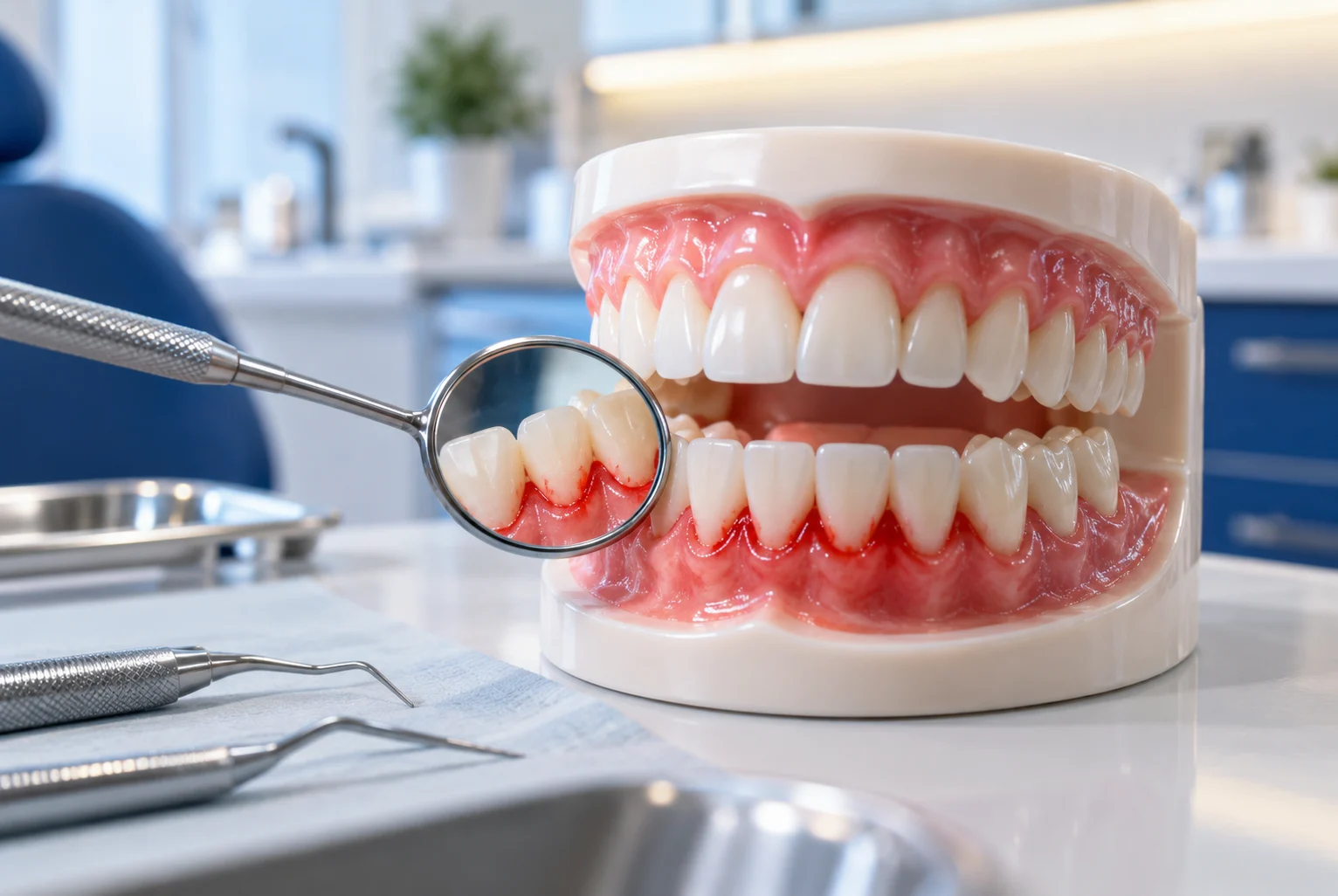
Your gums bleed when you brush
A gum health assessment
Your gums are checked for redness, swelling, bleeding, recession and plaque or calculus build-up as part of a comprehensive oral examination.

Bleeding gums can be one of the easier warning signs to miss, since it doesn't always come with pain.
 The Problem
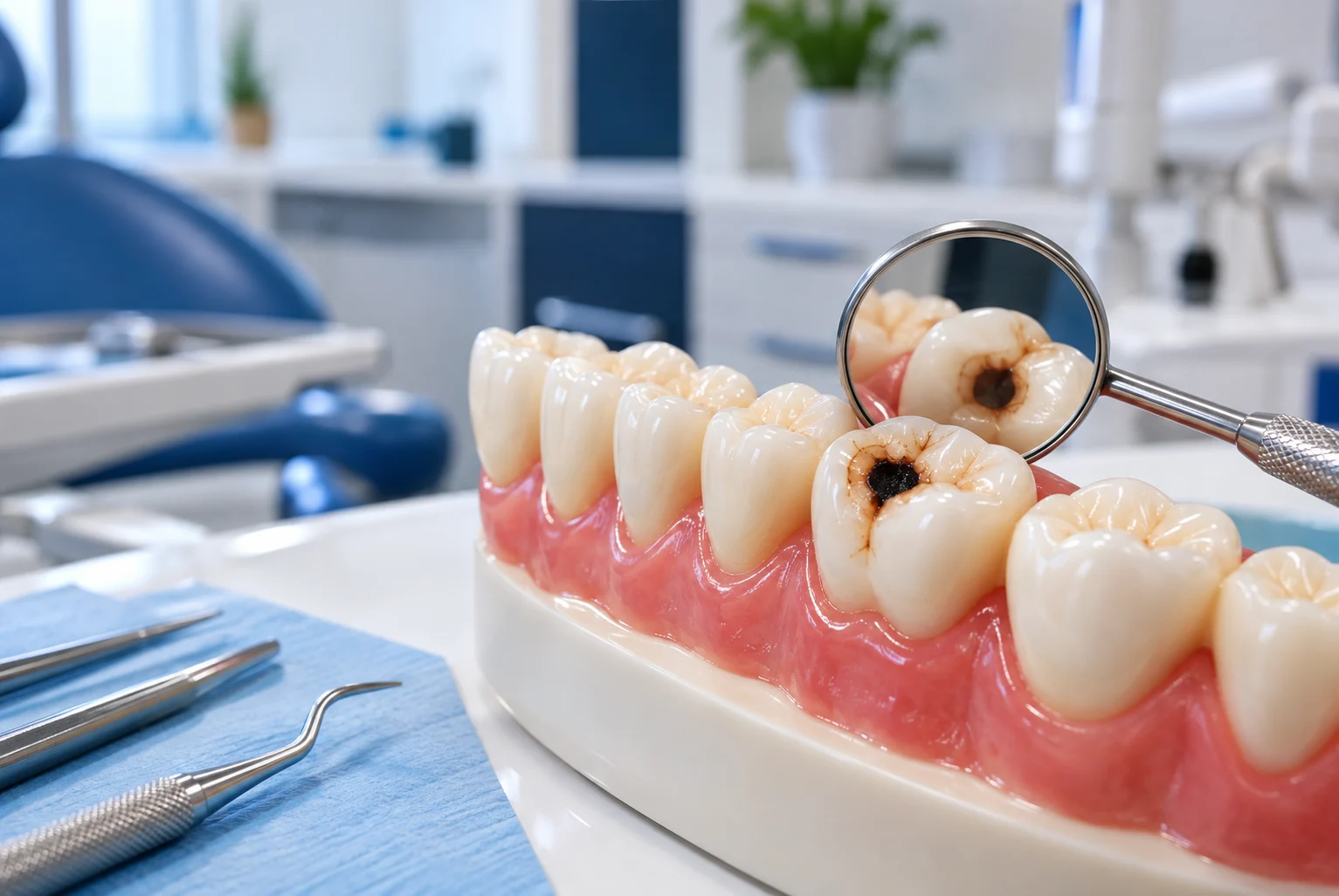
A dark spot or hole you've noticed on a tooth
Cavity detection and treatment
The tooth is examined to determine how far the decay has progressed, and treated with a filling or another restorative option depending on the extent.

A cavity may not cause pain in its early stages, so a visible change is often the first clue.
 The Problem
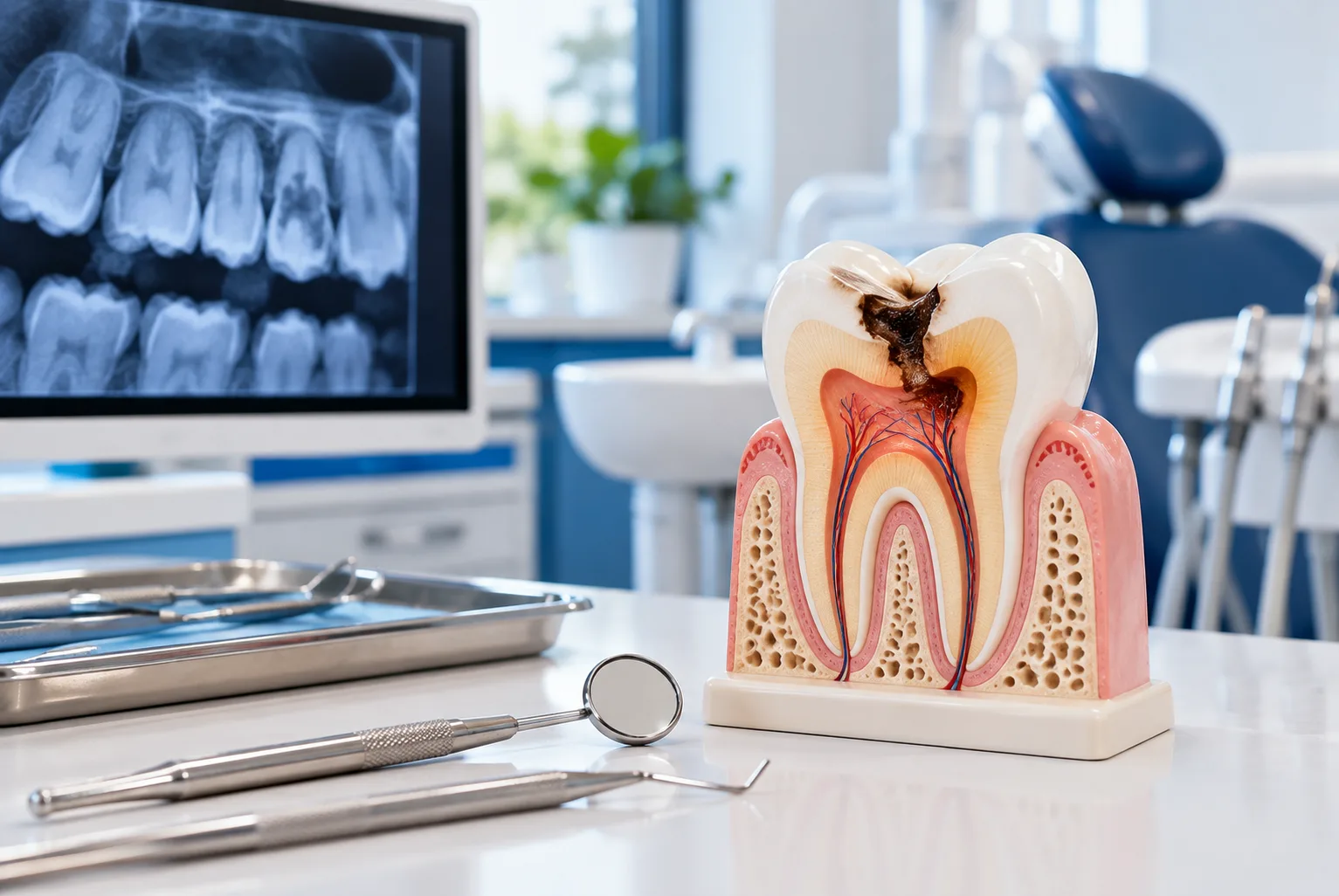
Discomfort when chewing, or a toothache that keeps coming back
A toothache assessment
We ask about your symptoms and triggers, examine the affected tooth and surrounding tissue, and explain the likely cause and appropriate treatment.
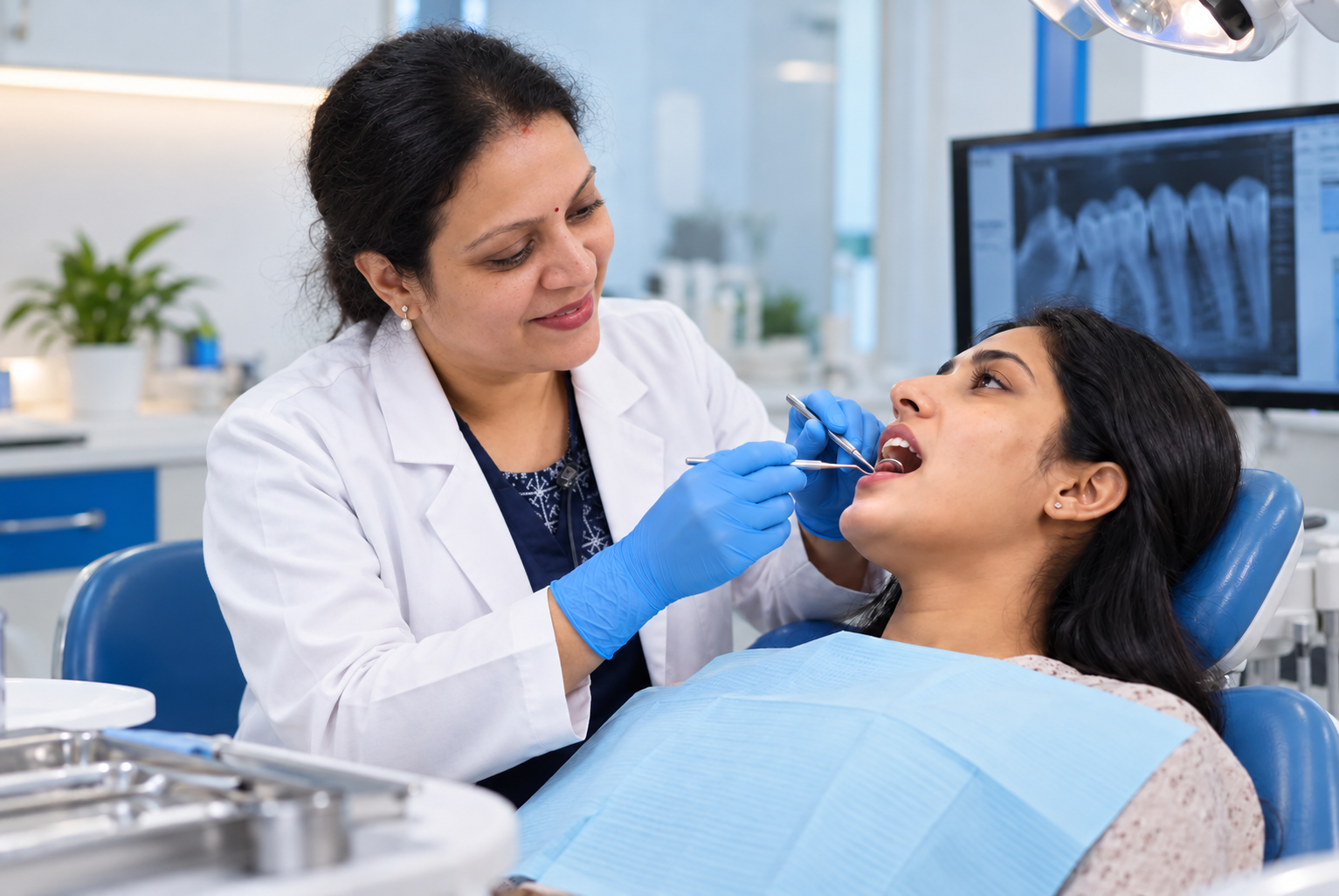
Toothache is a symptom, not a diagnosis — it can come from the tooth, the pulp, surrounding tissue or other causes.
 The Problem
You haven't visited a dentist in a long time
A first check-up, at your pace
Your first appointment can simply begin with an assessment of your current oral health — you don't need to diagnose the problem yourself first.
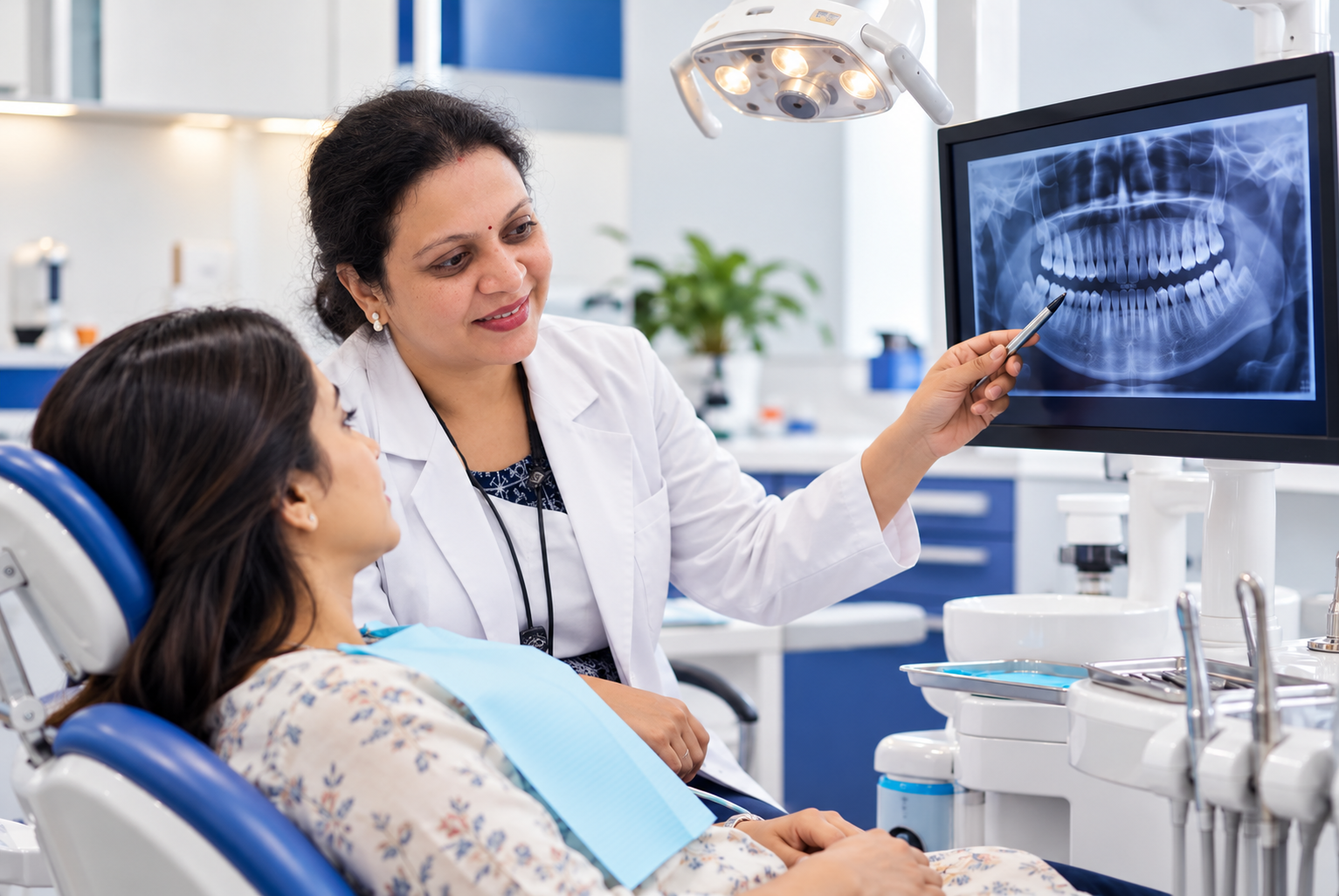
Many people delay appointments because they're busy, anxious, or simply haven't had any obvious symptoms.
What Is General Dentistry?
General dentistry covers many of the routine and problem-focused dental services people need throughout their lives. It includes preventive examinations, assessment of dental problems, basic restorative treatment and care for common symptoms such as toothache or sensitivity.
General Dentistry Can Help With
The right treatment depends on the condition of your teeth and gums, your symptoms, your dental history and other relevant factors.
Comprehensive Dental Care for Your Everyday Oral Health
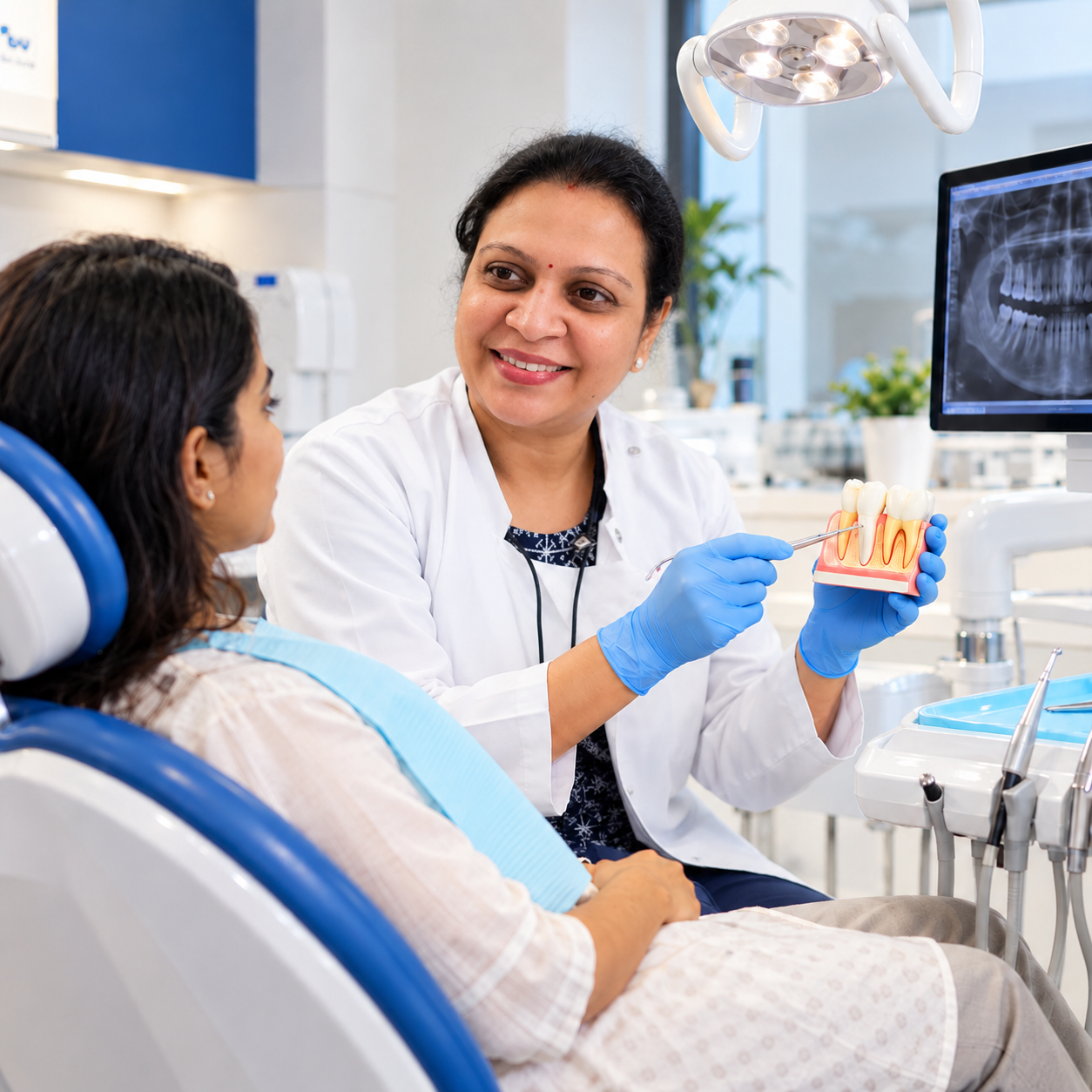
General dentistry covers routine dental examinations, oral health assessment, preventive care and treatment of common dental problems. The appropriate care depends on your symptoms, dental history, oral health and individual clinical needs.
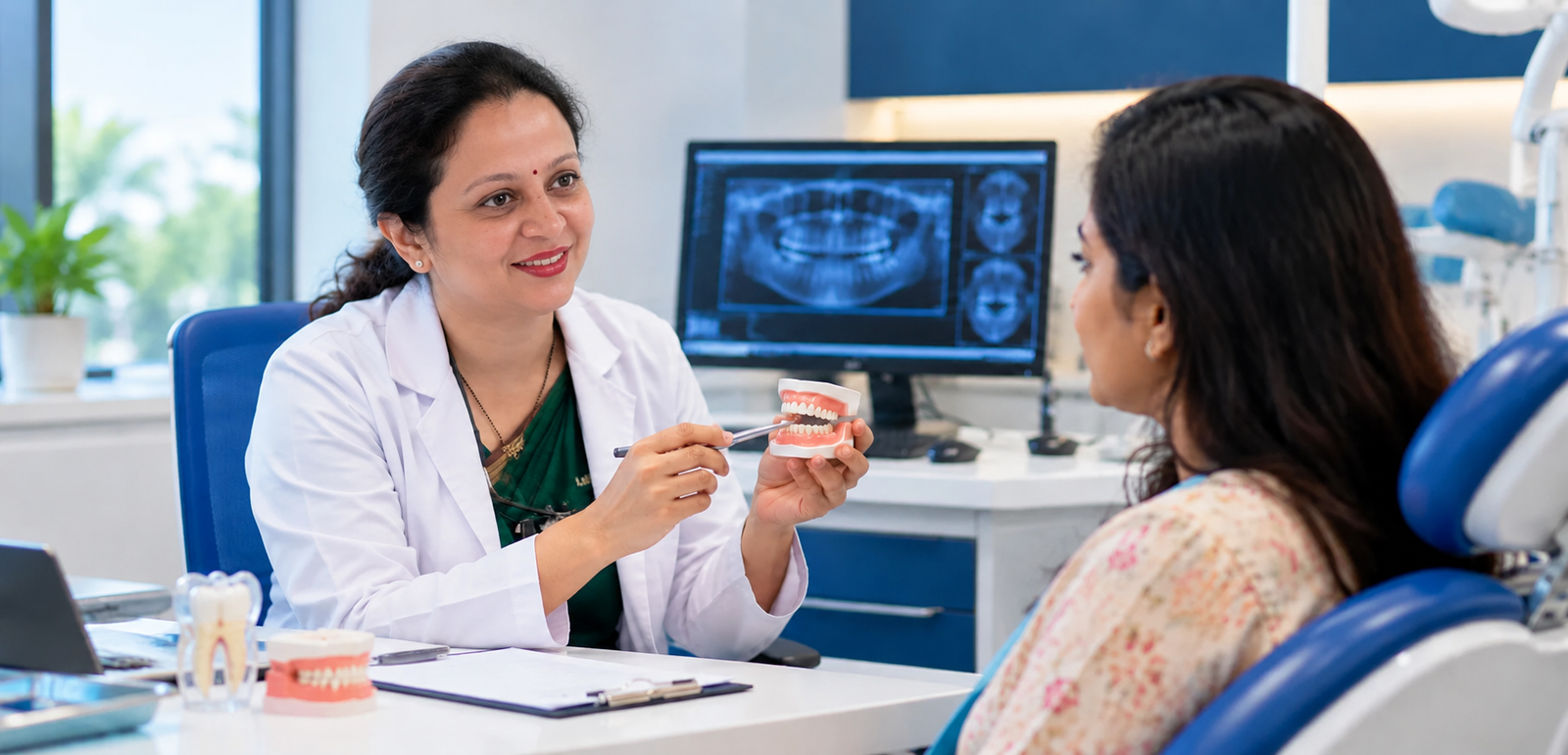
Dental Check-up & Consultation
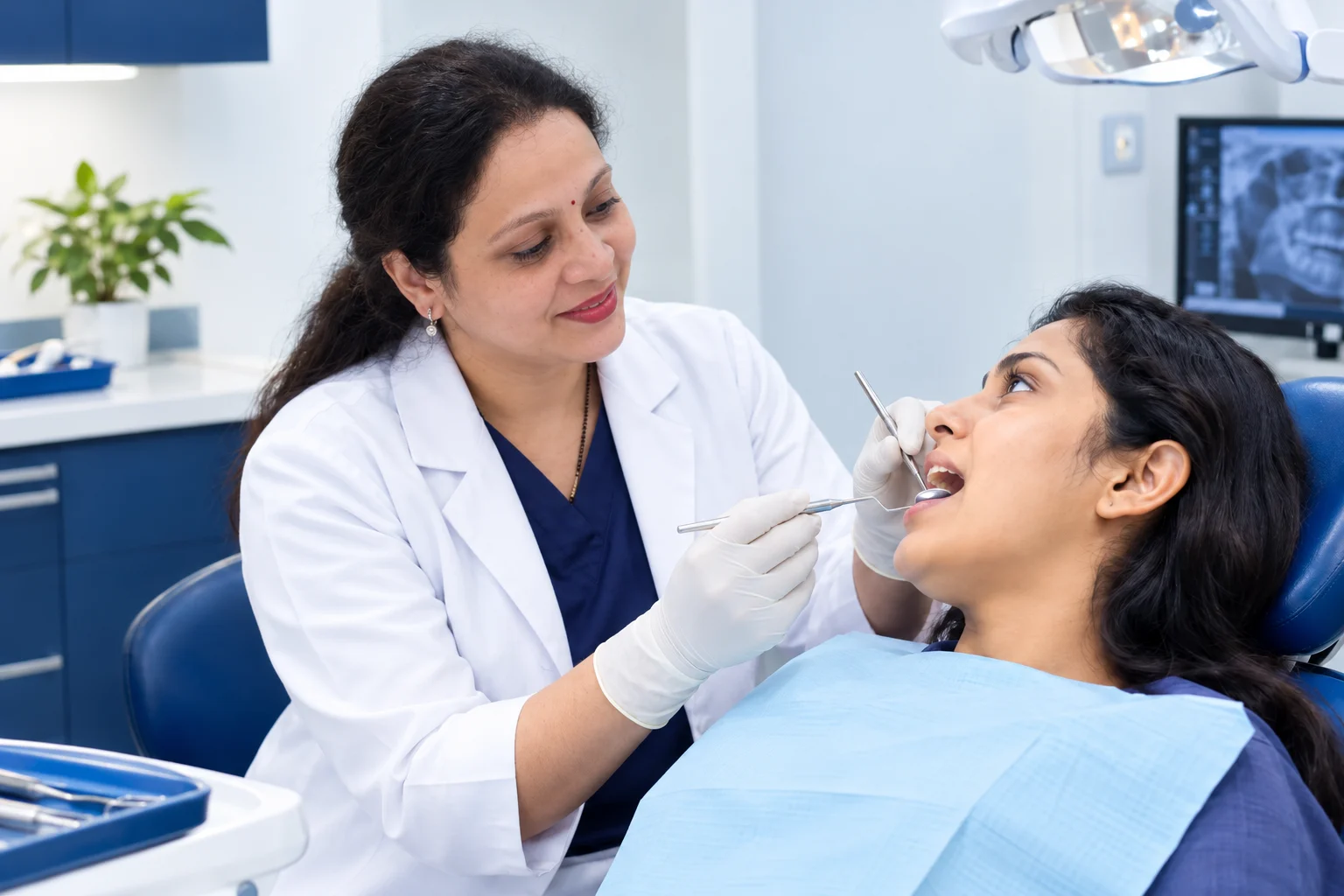
Discuss your dental concerns, review relevant health information and examine your teeth, gums and mouth to understand your current oral health.
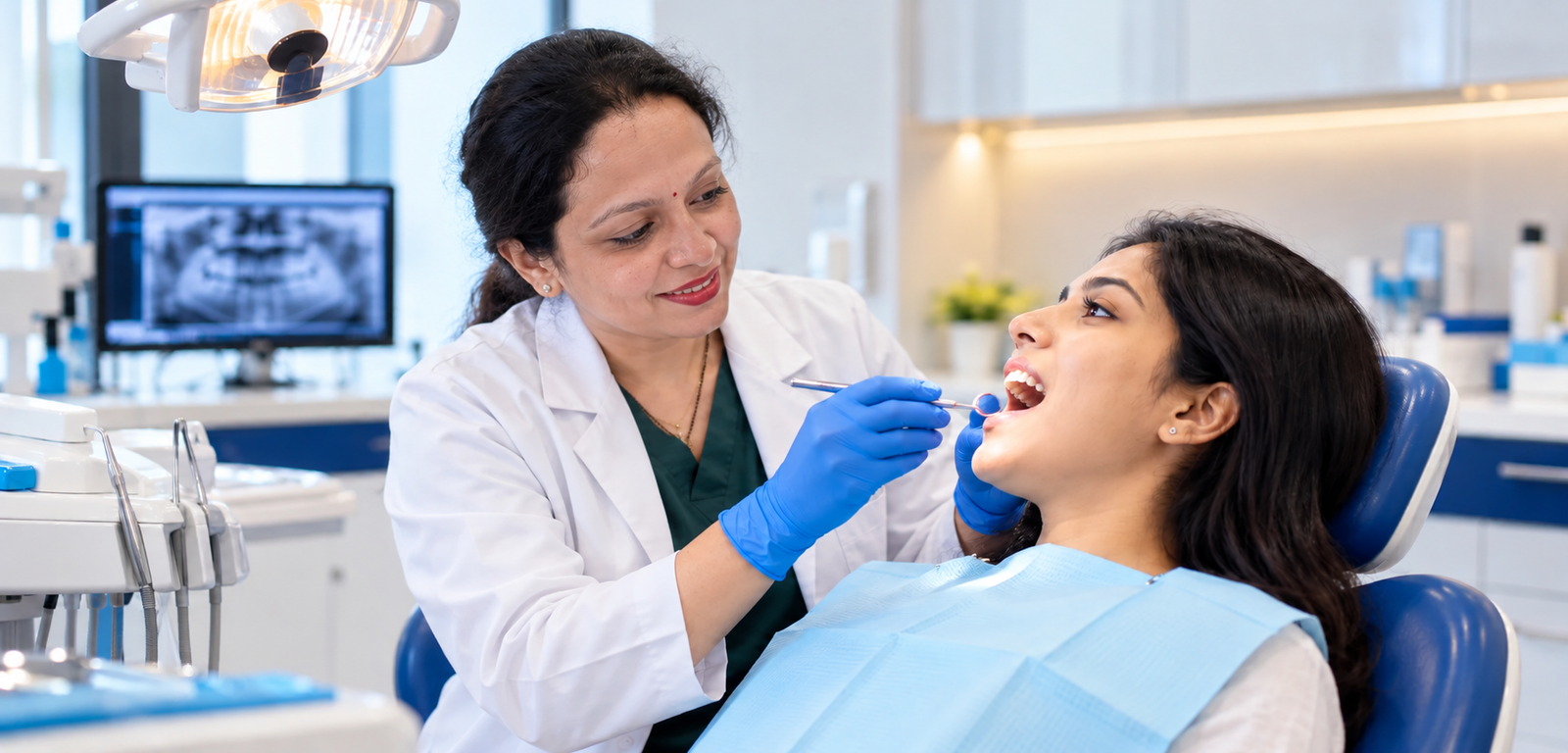
Comprehensive Oral Examination
A detailed examination checks your teeth, gums and surrounding areas for decay, cracks, tooth wear, restoration problems, gum concerns and other changes.
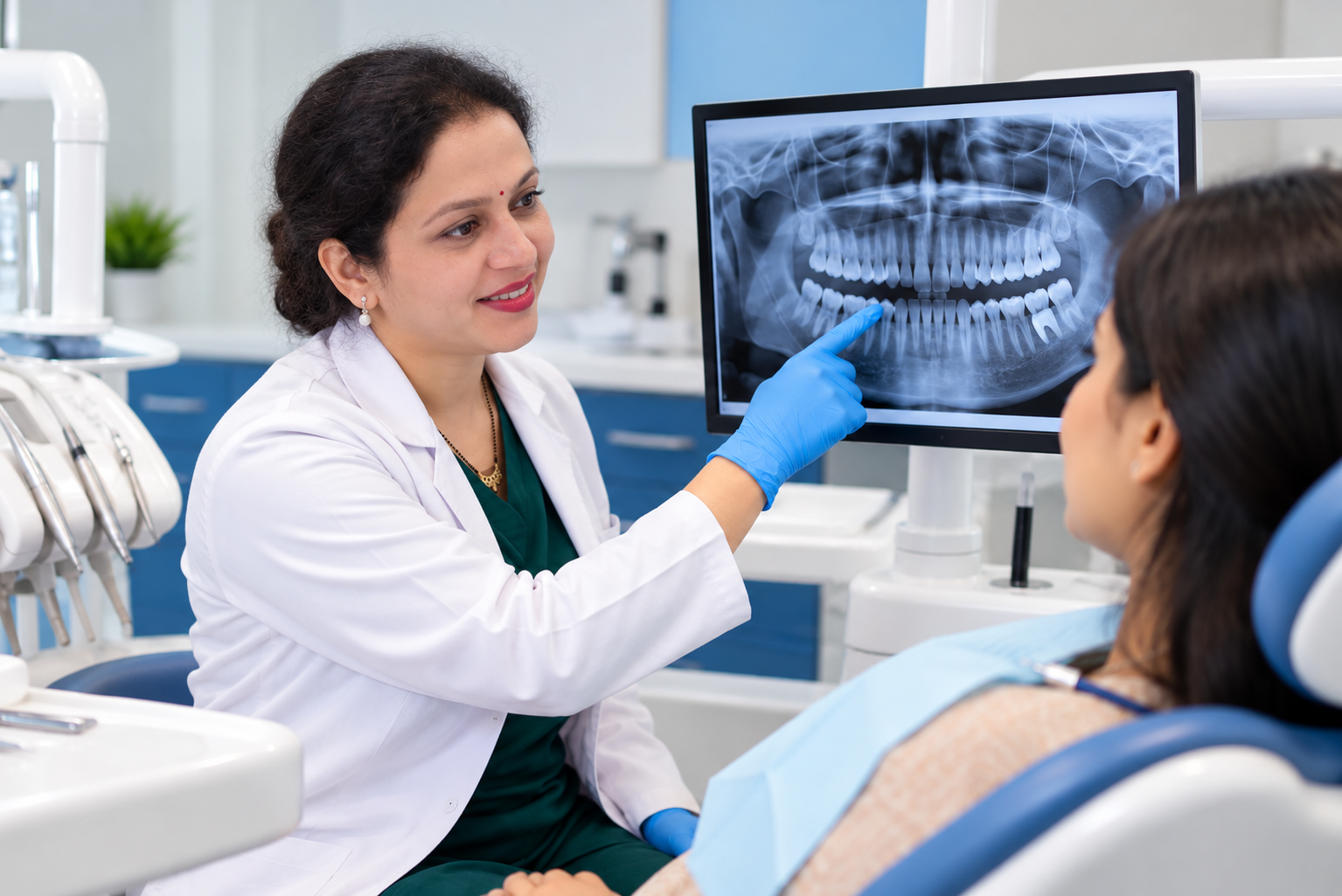
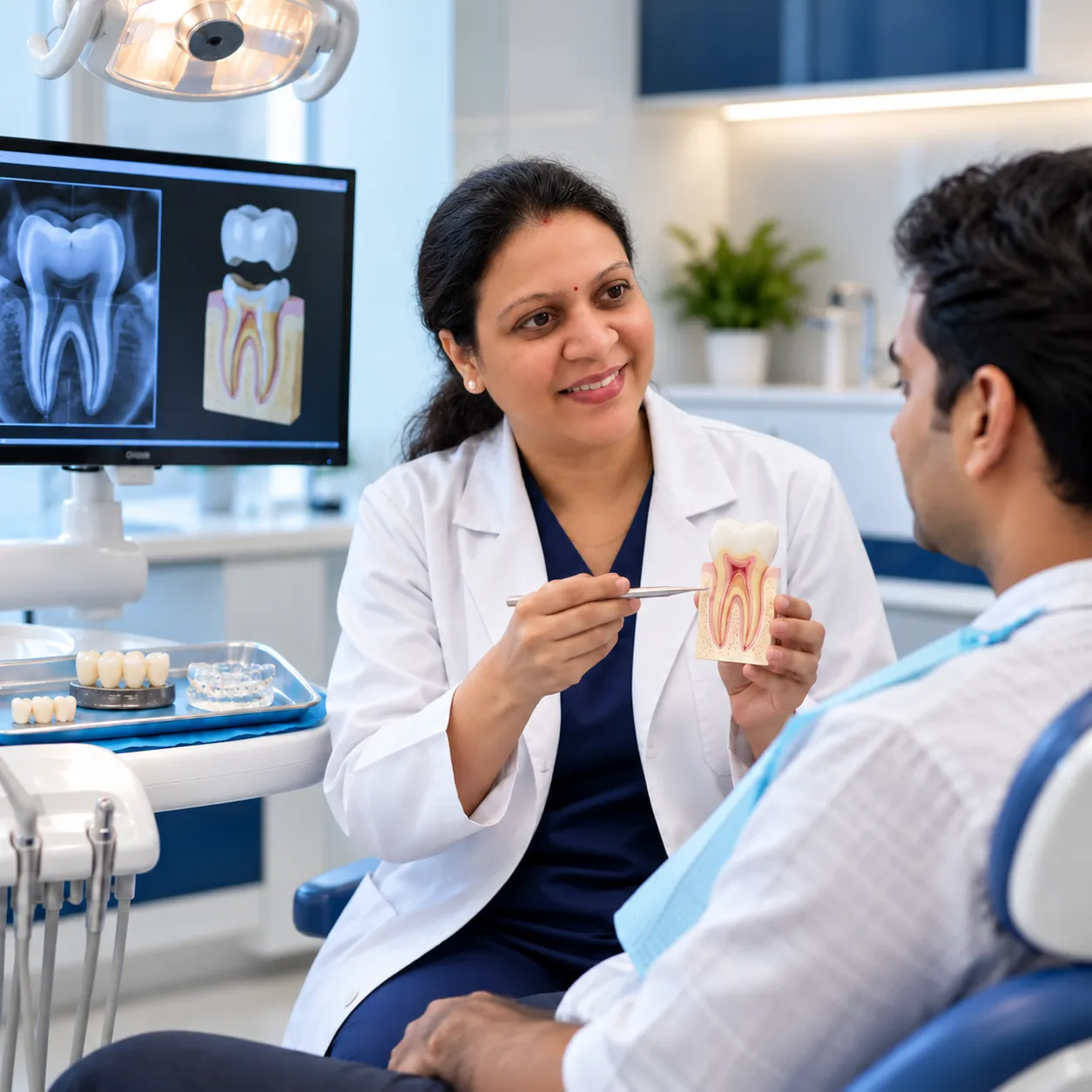
Digital Dental X-Rays
X-rays can provide useful information about tooth roots, hidden decay, infection, surrounding structures and other areas that may not be visible during a clinical examination.
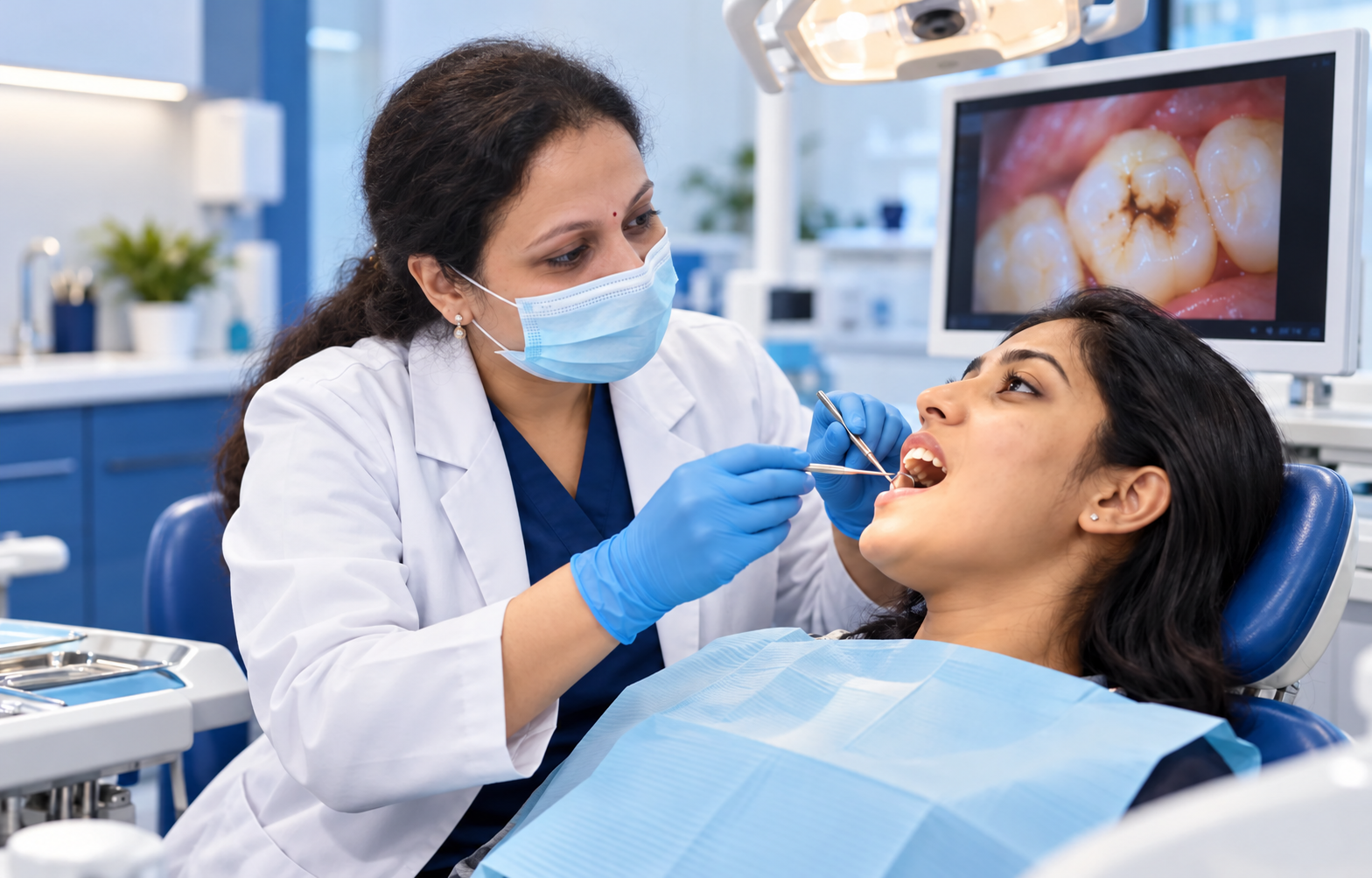
Cavity Detection & Treatment
Cavities may cause sensitivity, food trapping, visible changes or toothache. Treatment depends on the extent of decay and may include preventive care, fillings or further treatment.
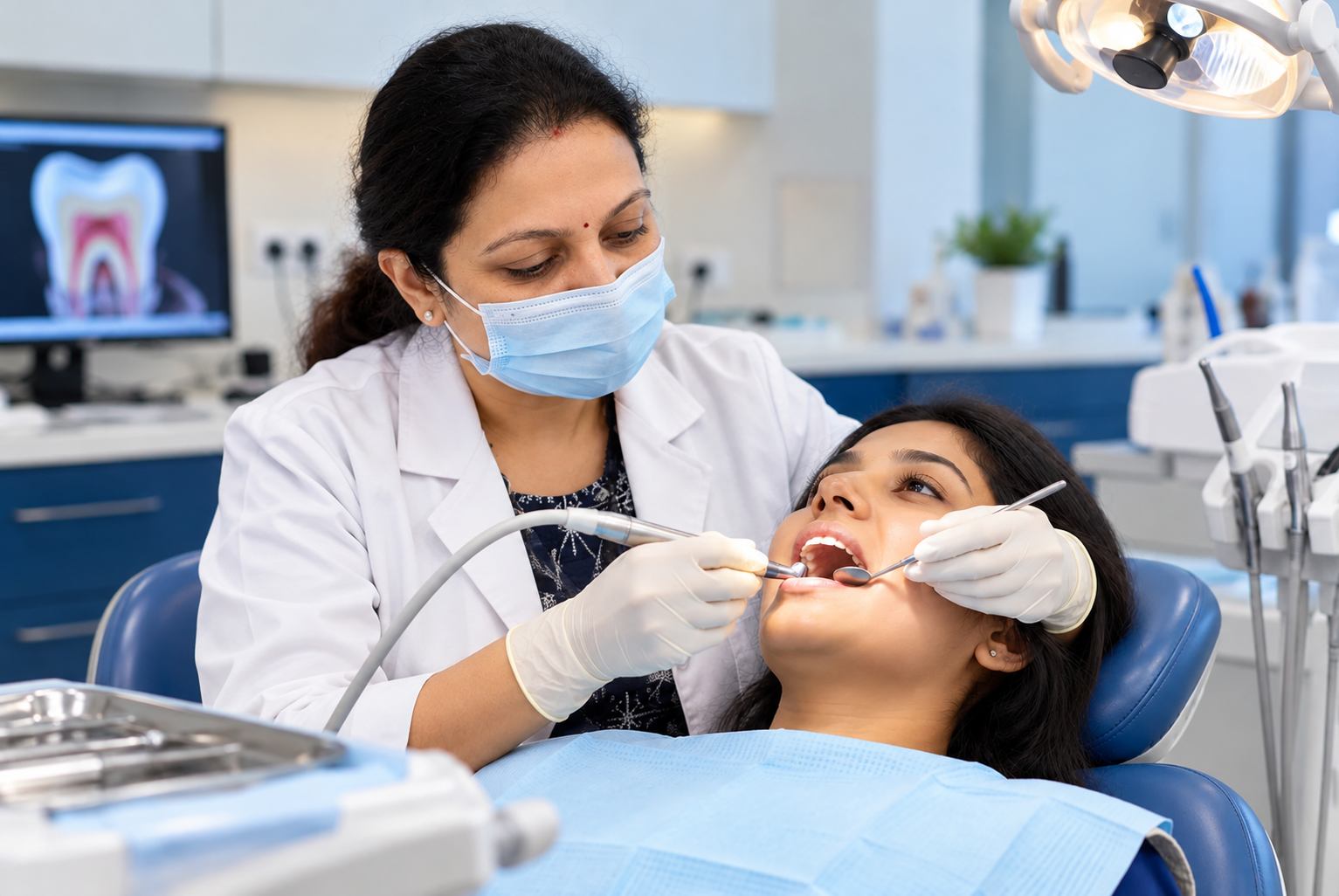
Tooth Fillings
Dental fillings restore teeth affected by cavities or certain forms of damage. The tooth is assessed first to determine whether a filling is appropriate.

Toothache Assessment
Toothache can have different causes, including decay, pulp inflammation, infection, cracked teeth, restoration problems or gum conditions. Assessment helps identify the likely cause.
Understanding Your Oral Health
A thorough dental assessment helps identify changes in your teeth, gums and mouth and determine whether preventive care, monitoring, restorative treatment or further investigation is appropriate.
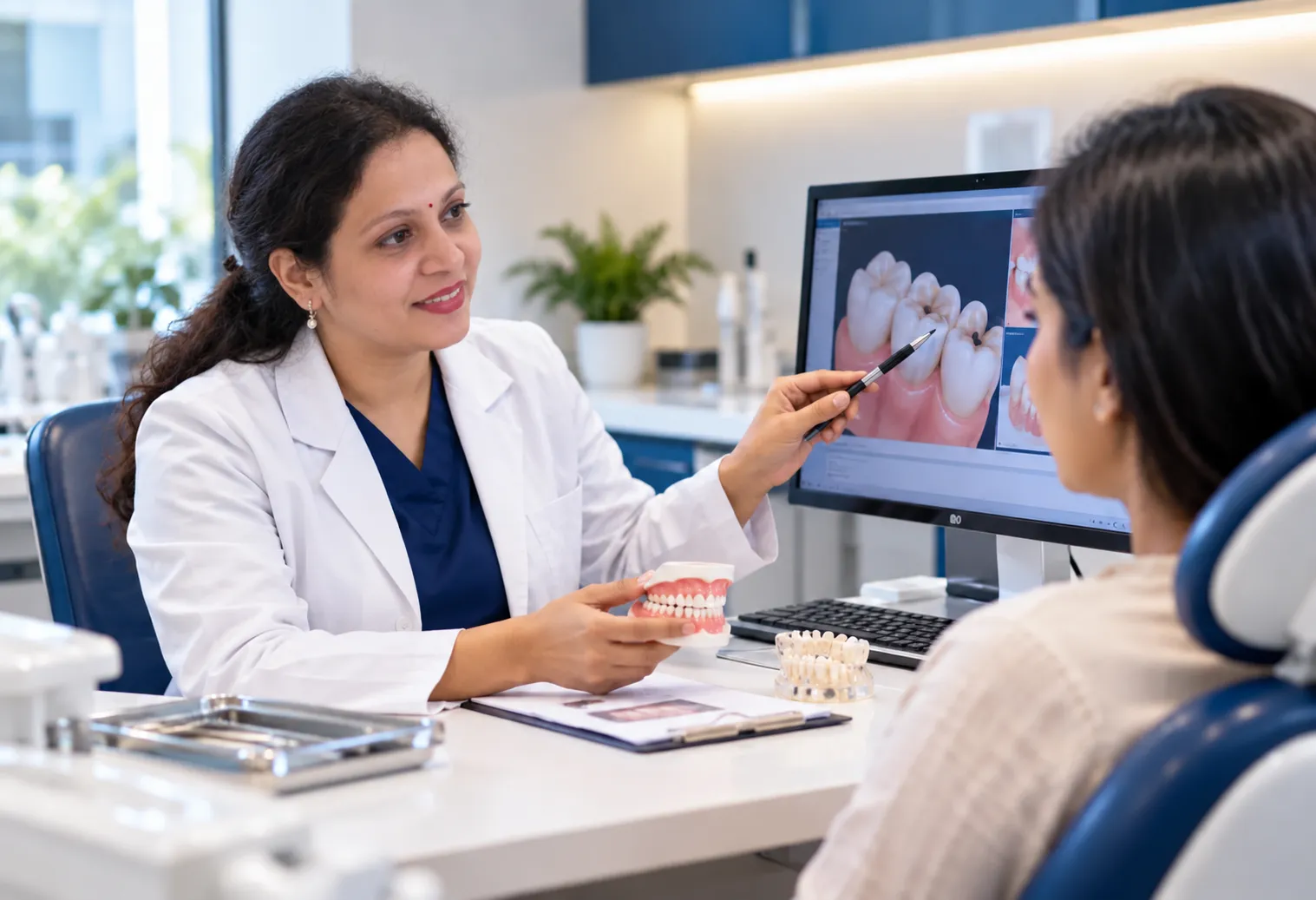
Comprehensive Oral Examination
The examination assesses your teeth, gums and surrounding areas for tooth decay, cracks, tooth wear, damaged restorations, sensitivity, gum changes and other oral health concerns.
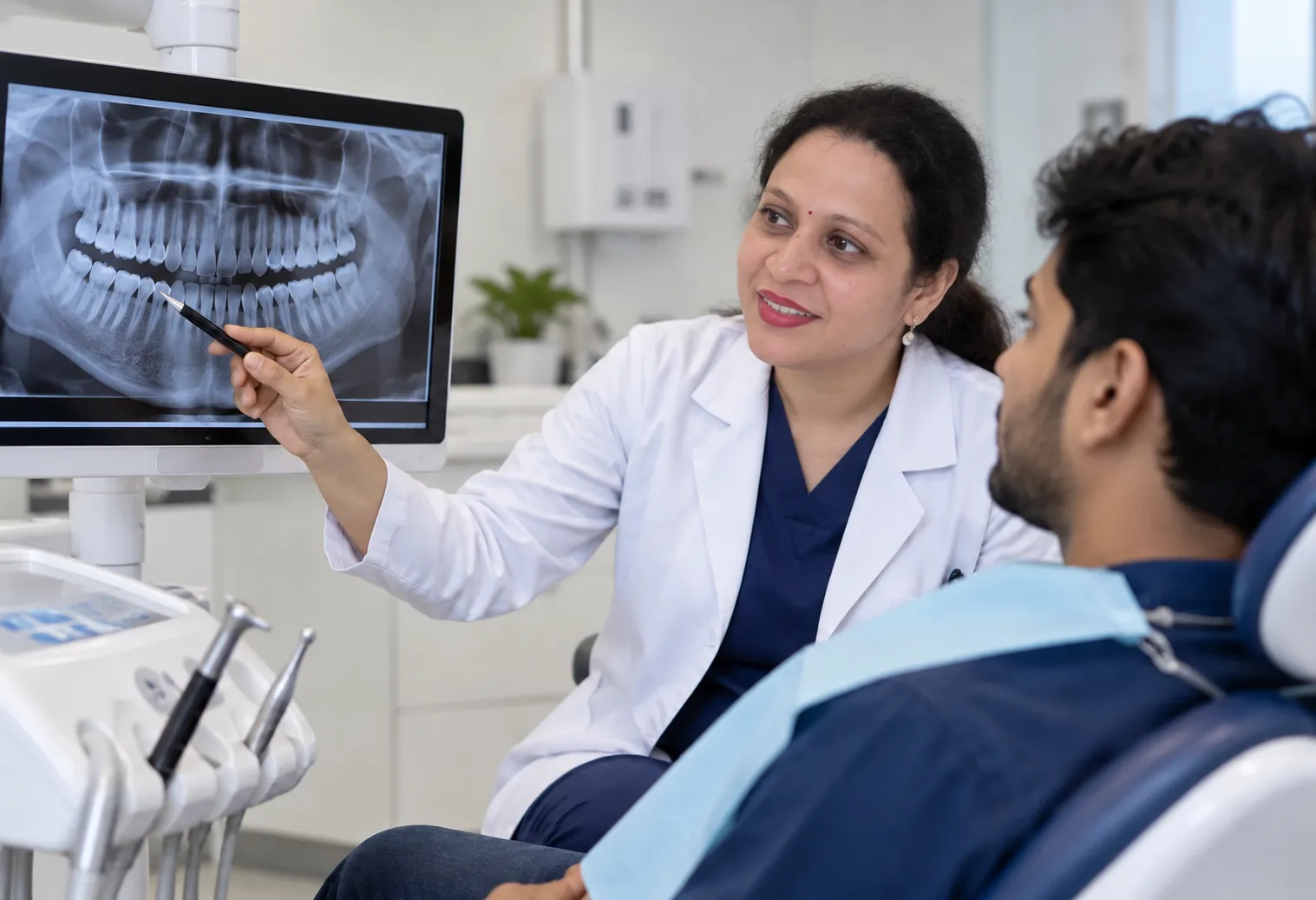
Digital Dental X-Rays
Dental X-rays can provide information that may not be visible during a clinical examination, including tooth roots, hidden decay, surrounding structures, infection and other conditions relevant to diagnosis.
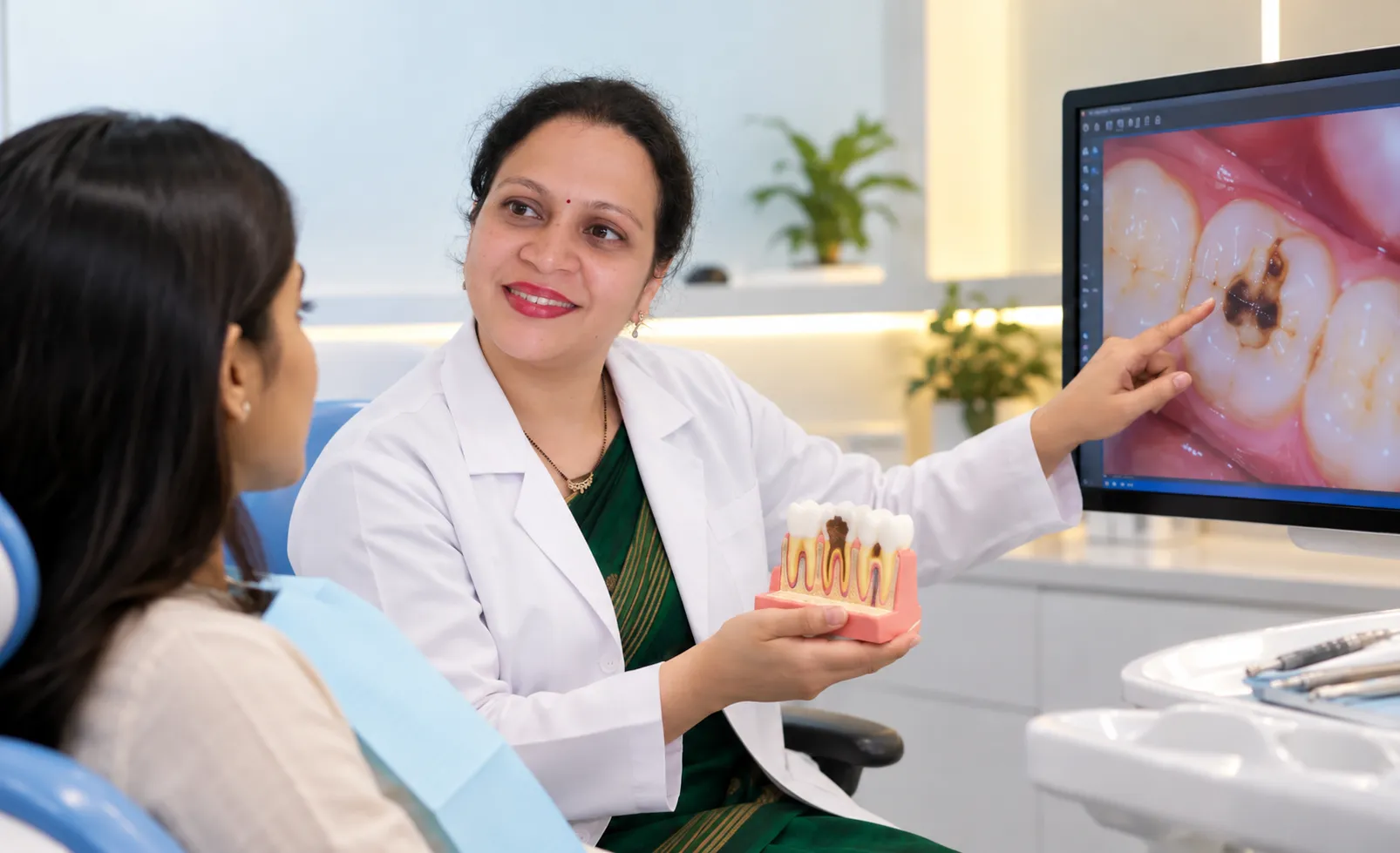
Cavity Detection
A cavity may not always cause pain in its early stages. Assessment can help identify tooth decay and determine whether preventive care, a filling or further treatment is appropriate.
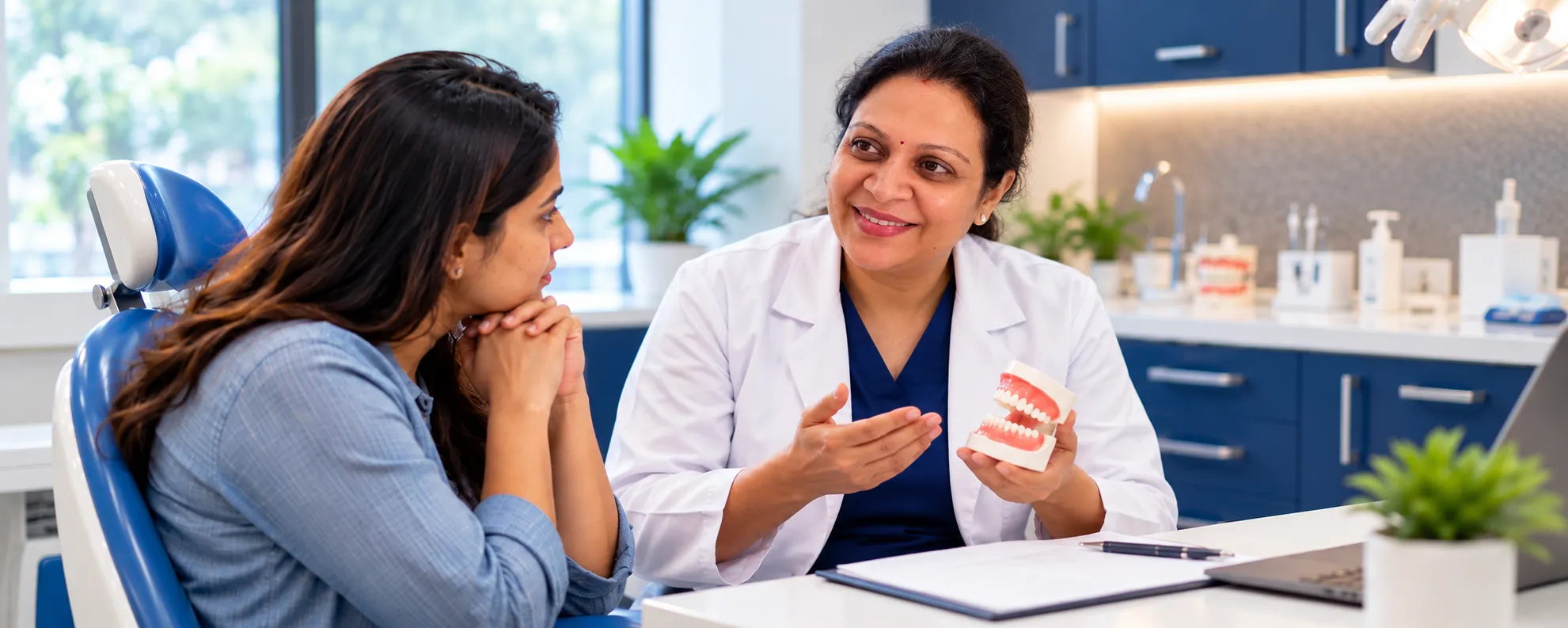
Been Avoiding the Dentist? Feeling Anxious?
Many people delay dental appointments because they’re busy, anxious, worried about treatment, or simply haven’t had any significant symptoms. Both are common, and both are worked with, not around.
If You’ve Been Avoiding It
If You Feel Anxious
What Happens During a General Dental Appointment
Seven stages, from explaining your concern to planning the next step — each one explained before it happens, not after.
Discuss Your Concern
You explain why you've booked the appointment and describe any symptoms or concerns.
You're heard first. No assumptions.
Review Relevant Information
We ask about your dental history, general health, medications and previous treatment.
Full picture. Before we look.
Examine Teeth & Gums
A clinical examination assesses the condition of your teeth, gums and mouth.
Clear assessment. No surprises.
Investigate When Necessary
Dental X-rays or other appropriate investigations are recommended if additional information is needed.
Only when it adds information.
Explain the Findings
We explain what's been identified and what it may mean for your oral health.
Your findings. In plain language.

When Should You See a Dentist for Toothache?
If tooth pain persists, returns repeatedly, or is accompanied by swelling, fever, pain when biting or an unpleasant taste, dental assessment is appropriate. If pain is severe or interfering with sleep or daily activities, seek urgent dental assessment.
Do I Need an X-Ray Every Visit?
No. Current American Dental Association guidance recommends that dental radiographs be selected according to your individual clinical circumstances — oral health, age, disease risk and symptoms — not taken simply because they are available.
Situations That Need Prompt Attention
Not every uncomfortable dental problem is life-threatening, but significant pain, infection, trauma or swelling should not be ignored.
Seek Immediate Medical Attention If
Severe swelling involving the mouth, throat or neck that affects breathing or swallowing is a medical emergency — seek immediate medical attention rather than waiting for a routine dental appointment. The same applies to uncontrolled bleeding or serious facial trauma.
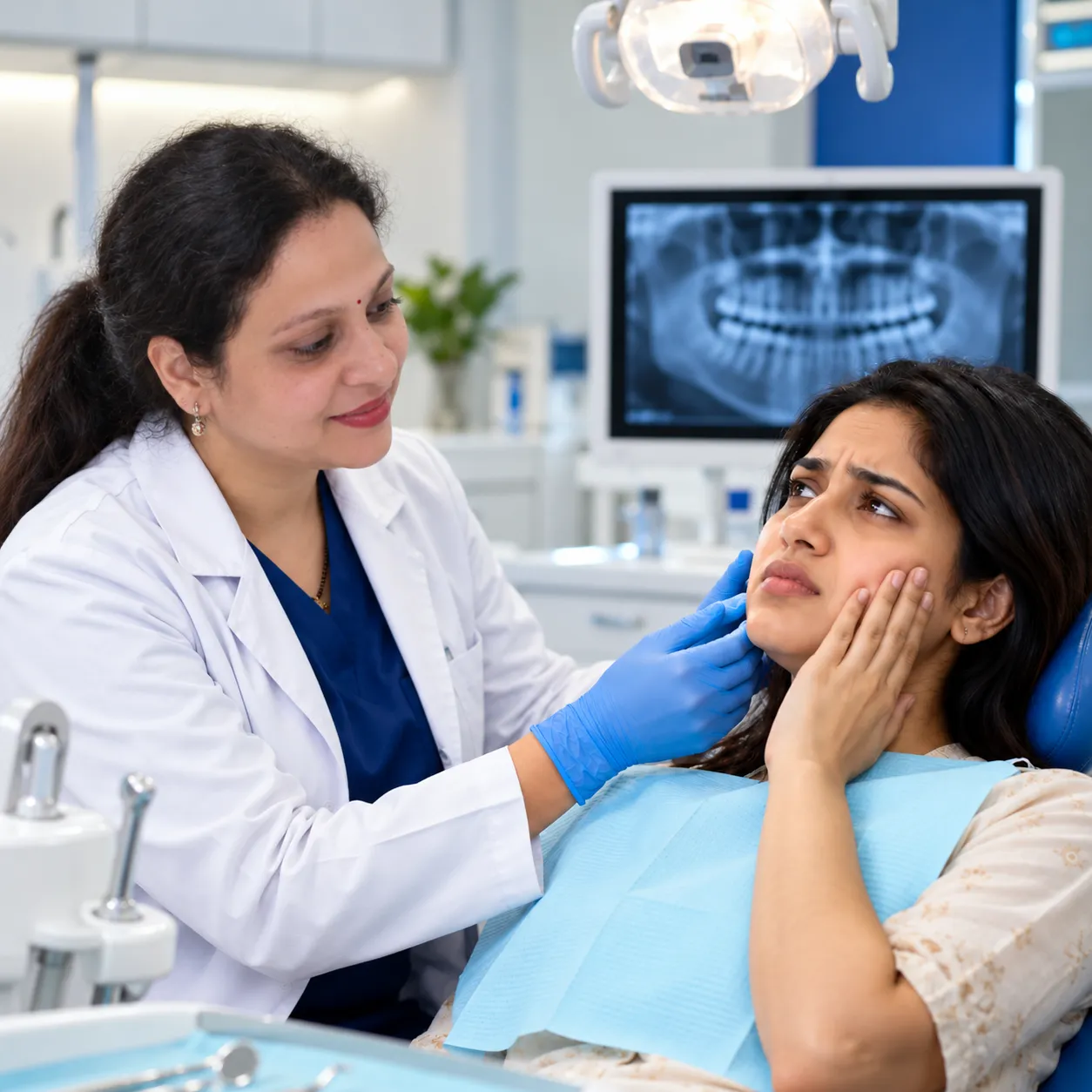
Dental Problems That May Need Assessment
Dental problems do not always cause obvious symptoms in their early stages. A professional examination can help identify the cause of a concern and determine whether preventive care, monitoring, restorative treatment or further investigation is appropriate.

What Happens During a General Dental Appointment?
A general dental appointment begins by understanding your concerns and assessing your current oral health. Depending on your individual needs, your dentist may recommend further investigation or discuss appropriate treatment options.
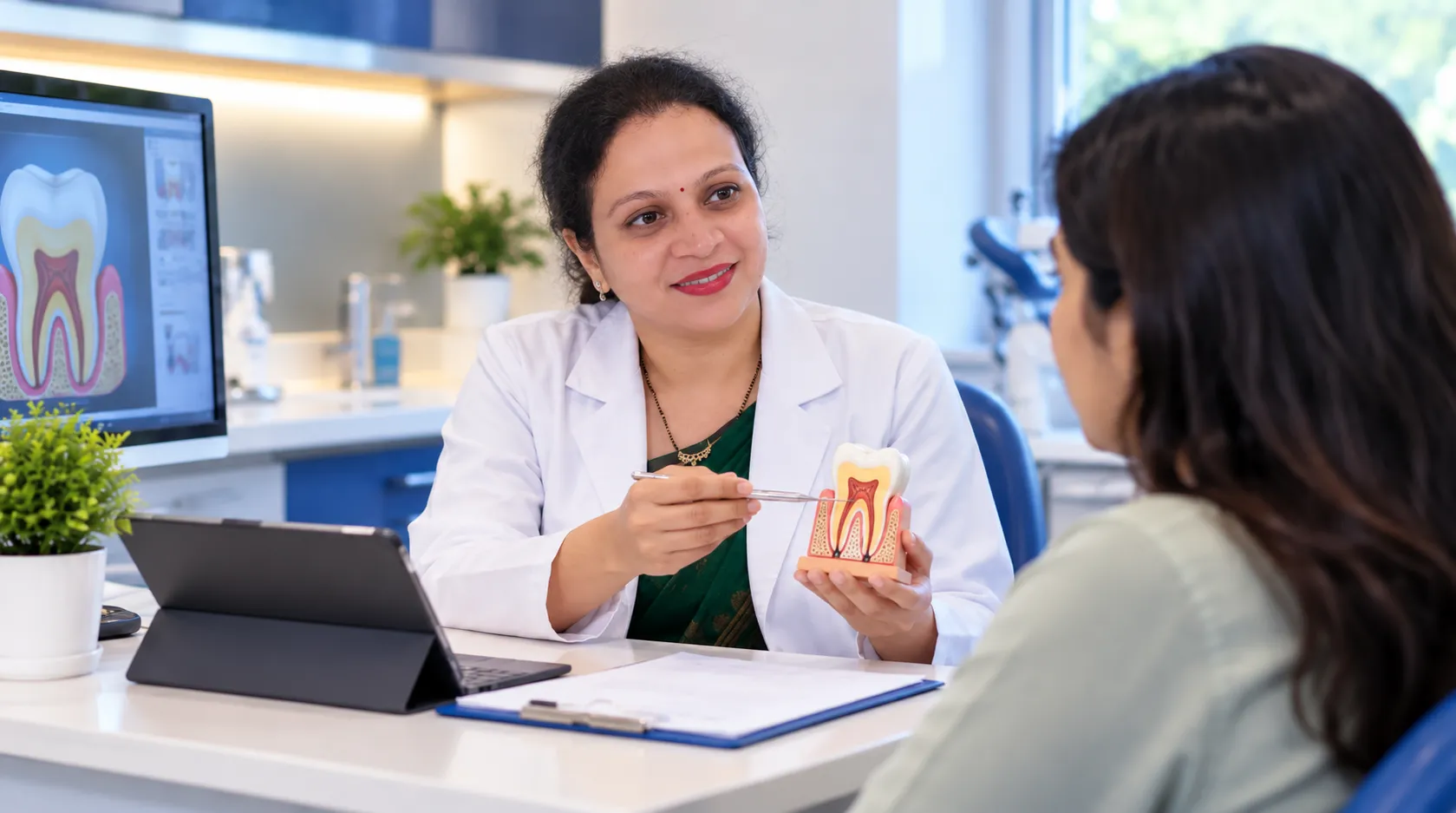
Discuss Your Concern
Explain why you have booked the appointment and describe any symptoms, discomfort or dental concerns you are experiencing.
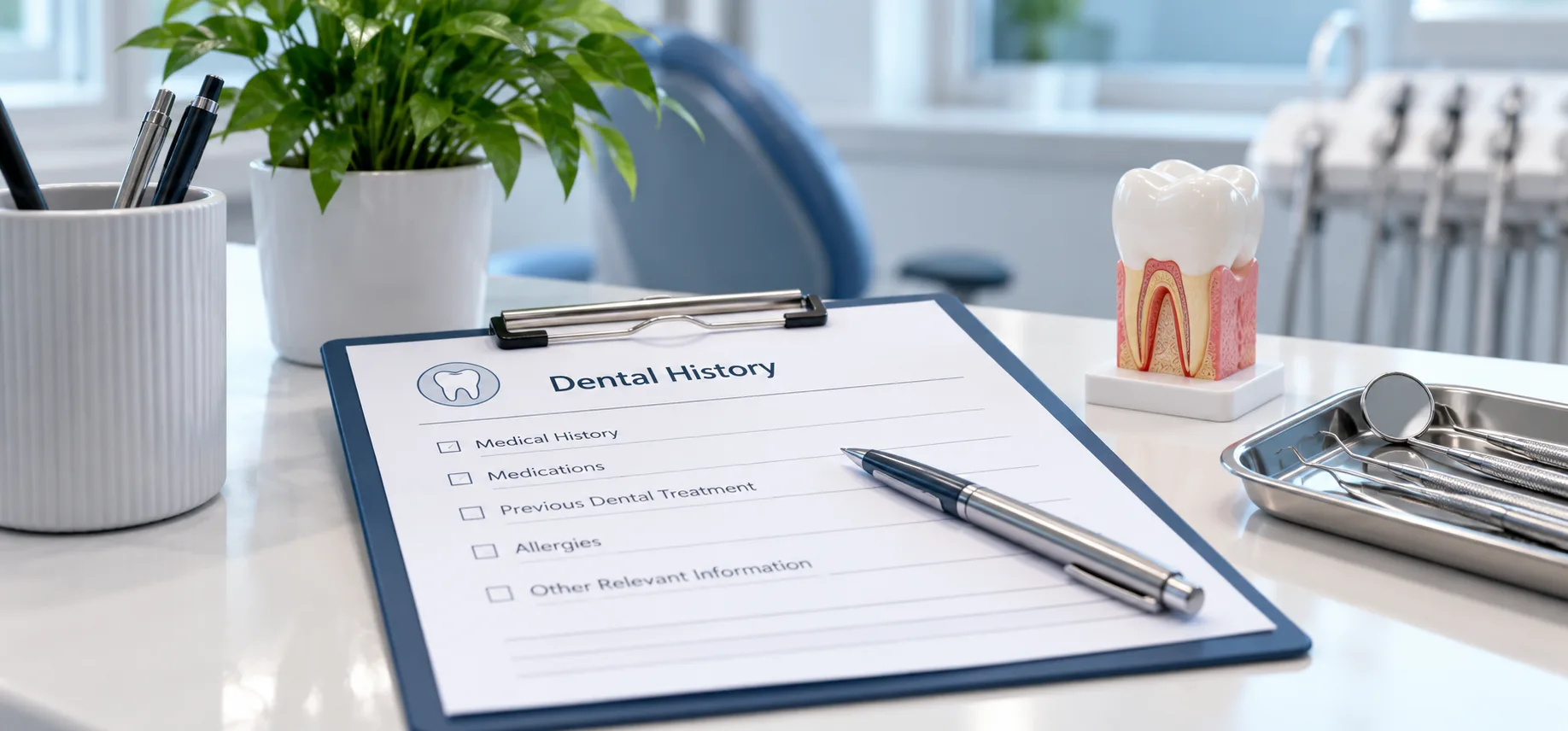
Review Relevant Information
Your dentist may ask about your dental history, general health, medications, previous treatment and other relevant information.
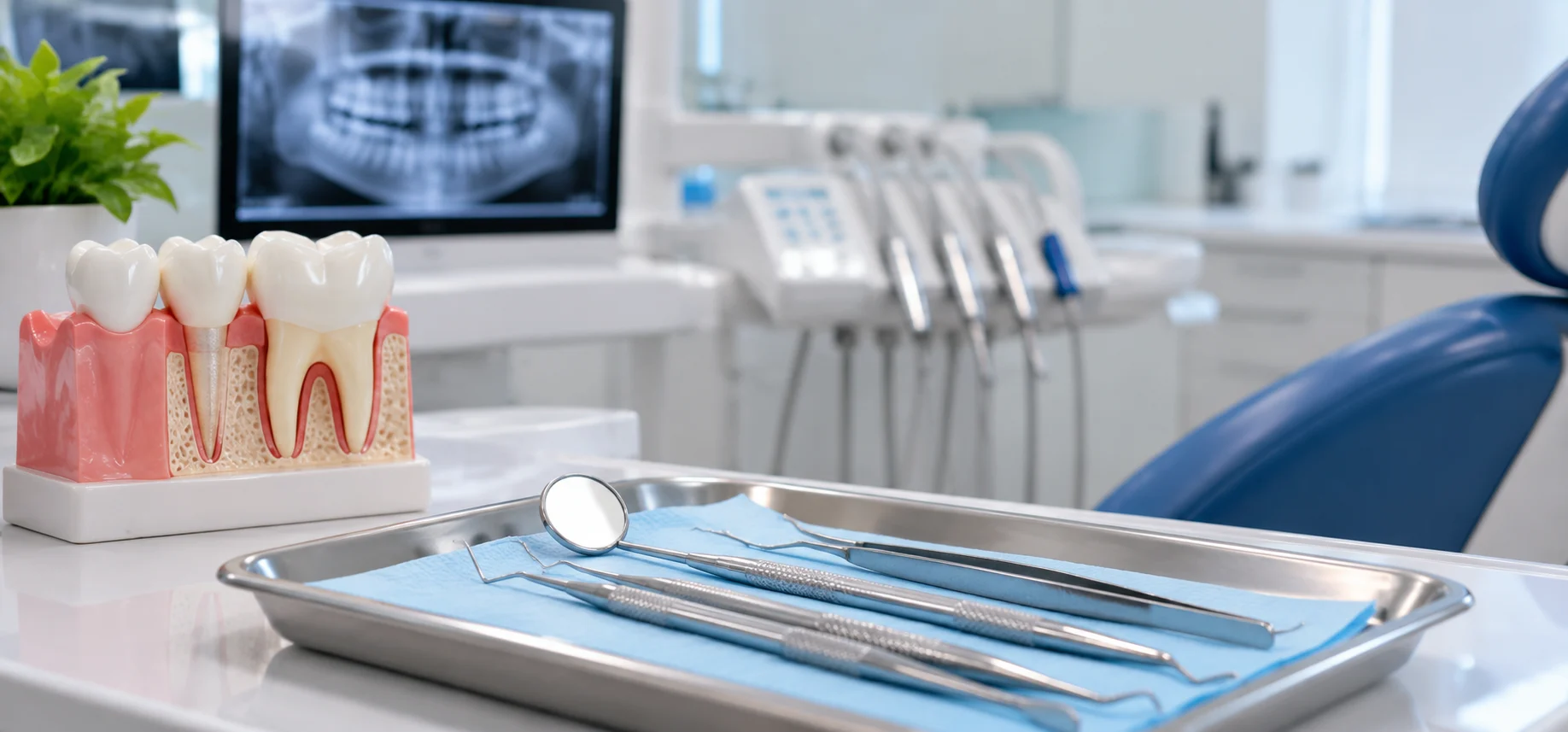
Examine Your Teeth and Gums
A clinical examination helps assess the condition of your teeth, gums and mouth and identify areas that may need attention.
Investigation, Findings & Next Steps
If additional information is needed, dental X-rays or other appropriate investigations may be recommended. Your dentist can explain the findings, discuss suitable treatment options and plan the next step based on your individual needs.
Different Dental Concerns May Need Different Approaches
General dentistry can involve preventive care, diagnostic assessment, restorative treatment or urgent dental care. The appropriate approach depends on your symptoms, dental history, clinical findings and individual needs.
| Option | Suitable For | Advantages | Limitations | Treatment Time | Maintenance |
|---|---|---|---|---|---|
| Routine Dental Check-up | Patients who want to understand and monitor their current oral health | Helps identify changes and concerns before they become more disruptive | The appropriate frequency varies according to individual oral health and risk | Depends on individual assessment | Regular examinations based on individual needs |
| Cavity Assessment & Filling | Teeth affected by cavities or certain forms of damage | Can restore the affected portion of the tooth and help return it to useful function | Not every painful or damaged tooth is suitable for a simple filling | Depends on the extent of decay and treatment required | Good oral hygiene and appropriate follow-up care |
| Toothache Assessment | Persistent, recurring or unexplained dental pain | Helps investigate the likely cause of pain and determine appropriate treatment | Toothache can have several possible causes and may require further investigation | Depends on symptoms and clinical findings | Follow-up based on the identified cause |
| Digital Dental X-Ray | When additional diagnostic information is clinically needed | Can show areas that may not be visible during a visual examination | Not automatically required at every dental appointment | Performed when clinically indicated | Imaging decisions are based on individual clinical circumstances |
| Emergency Dental Assessment | Severe toothache, swelling, infection, trauma or other acute dental problems | Allows the dental professional to assess the problem and determine the appropriate level of care | Severe swelling affecting breathing or swallowing and other life-threatening conditions require immediate medical attention | Prompt assessment may be required | Further treatment or follow-up depends on the clinical findings |
Routine Dental Check-up
- Suitable For
- Patients who want to understand and monitor their current oral health
- Advantages
- Helps identify changes and concerns before they become more disruptive
- Limitations
- The appropriate frequency varies according to individual oral health and risk
- Treatment Time
- Depends on individual assessment
- Maintenance
- Regular examinations based on individual needs
Cavity Assessment & Filling
- Suitable For
- Teeth affected by cavities or certain forms of damage
- Advantages
- Can restore the affected portion of the tooth and help return it to useful function
- Limitations
- Not every painful or damaged tooth is suitable for a simple filling
- Treatment Time
- Depends on the extent of decay and treatment required
- Maintenance
- Good oral hygiene and appropriate follow-up care
Toothache Assessment
- Suitable For
- Persistent, recurring or unexplained dental pain
- Advantages
- Helps investigate the likely cause of pain and determine appropriate treatment
- Limitations
- Toothache can have several possible causes and may require further investigation
- Treatment Time
- Depends on symptoms and clinical findings
- Maintenance
- Follow-up based on the identified cause
Digital Dental X-Ray
- Suitable For
- When additional diagnostic information is clinically needed
- Advantages
- Can show areas that may not be visible during a visual examination
- Limitations
- Not automatically required at every dental appointment
- Treatment Time
- Performed when clinically indicated
- Maintenance
- Imaging decisions are based on individual clinical circumstances
Emergency Dental Assessment
- Suitable For
- Severe toothache, swelling, infection, trauma or other acute dental problems
- Advantages
- Allows the dental professional to assess the problem and determine the appropriate level of care
- Limitations
- Severe swelling affecting breathing or swallowing and other life-threatening conditions require immediate medical attention
- Treatment Time
- Prompt assessment may be required
- Maintenance
- Further treatment or follow-up depends on the clinical findings
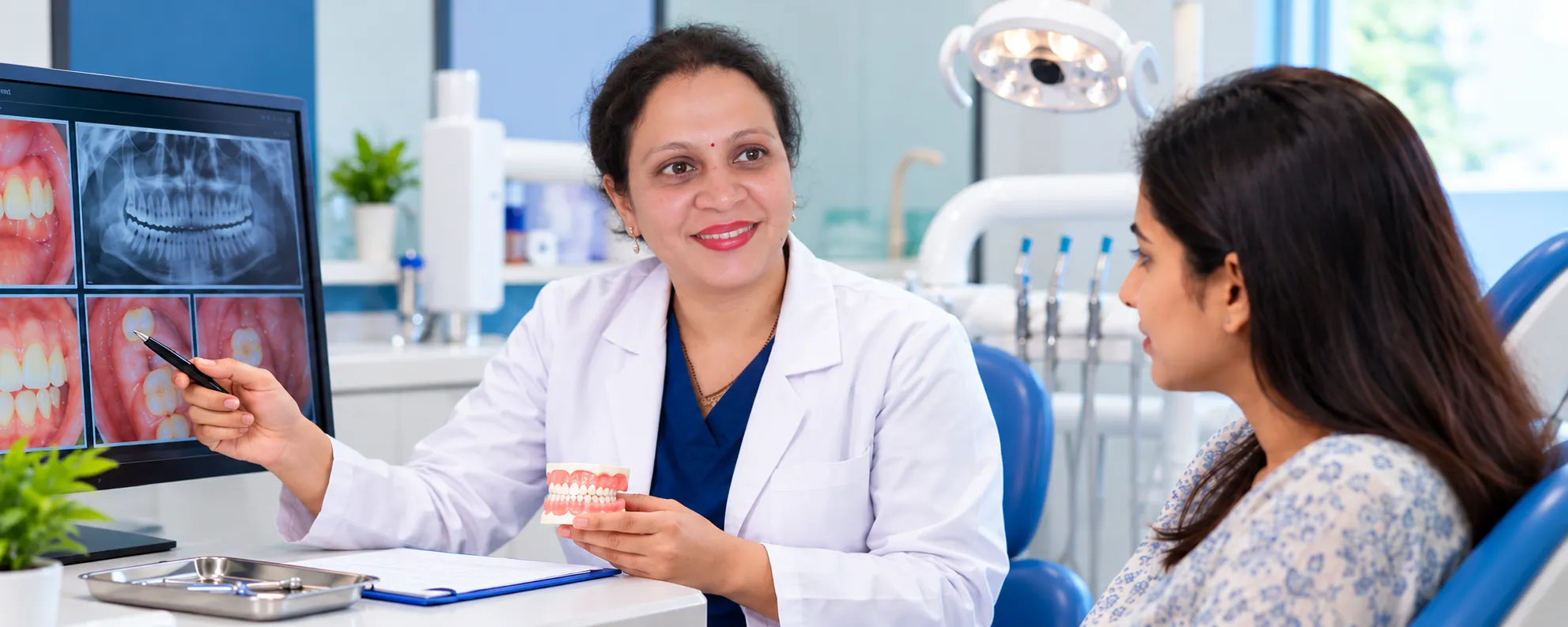
A Personalized Approach to General Dental Care
No two dental patients have exactly the same oral health history. Your dental care needs can be influenced by your oral health, previous treatment, symptoms, medical history and clinical findings. For this reason, treatment should be based on individual assessment rather than a fixed approach for everyone.
Factors We Consider
- • Age
- • Oral hygiene
- • Previous dental treatment
- • Existing restorations
- • Dental history
- • Diet
Individual Clinical Factors
- • Medical conditions
- • Medications
- • Risk of tooth decay
- • Gum health
- • Current symptoms
- • Clinical findings
Your treatment should be based on your individual needs. At Dr. Kashmira Jathar Dental Clinic, the aim is to help patients understand their dental concerns and the appropriate next steps based on their assessment.

Meet Dr. Kashmira Jathar, BDS
Dr. Kashmira Jathar is a BDS-qualified dentist with more than 20 years of dental practice experience, registered with the Maharashtra State Dental Council (Reg. No. A-14093 M, 2007). She is a member of the Indian Dental Association and the Saturday Club.
Her general dentistry practice focuses on assessment, preventive dental care and treatment of common dental concerns — helping patients understand their dental concerns and the appropriate next steps.
General Dentistry FAQs
General dentistry includes routine dental examinations, oral health assessment, preventive care and treatment of common dental problems. Depending on the practice and individual needs, it may include check-ups, fillings, toothache assessment, dental X-rays when clinically indicated and emergency dental care.
Visiting the Clinic
Elegance Smile Studio is located in Pimple Saudagar, Pune, serving patients across Pimpri-Chinchwad and the surrounding areas.
Related Services

Book a General Dentistry Appointment
Whether it’s a routine check-up, tooth pain, a suspected cavity, or an emergency, the first step is to have it professionally evaluated. Call or WhatsApp to arrange a consultation with Dr. Kashmira Jathar, BDS.
Sources & Review
Guidance on when dental X-rays are appropriate is informed by American Dental Association recommendations on selecting radiographs according to individual patient need. General information on this page describes typical general dentistry practice, not a guarantee of findings or treatment for any individual case. Page content reviewed by Dr. Kashmira Jathar, BDS.