

Oral Surgery in
Pimple Saudagar, Pune
Wisdom tooth removal, tooth extraction, surgical tooth extraction, minor oral surgery, tongue-tie correction and dental trauma care, planned after clinical and radiographic assessment.
Chat on WhatsApp
Practice
Your Surgical Plan Starts
With the Right Diagnosis
4
Key Oral Surgery Treatment Areas
17–25
Common Wisdom Tooth Eruption Age
20+
Years of Dental Practice
“The right oral surgery plan starts with careful clinical and radiographic assessment. Treatment is planned around the tooth position, root anatomy, surrounding bone, infection, nerve proximity and your individual needs.”
– Dr. Kashmira Jathar Dental Clinic
Which Oral Surgery Service Do You Need?
Signs You May Need an Oral Surgery Assessment
You don’t need to decide which surgical procedure you need before booking. Clinical and radiographic assessment helps determine the appropriate treatment.
 The Problem
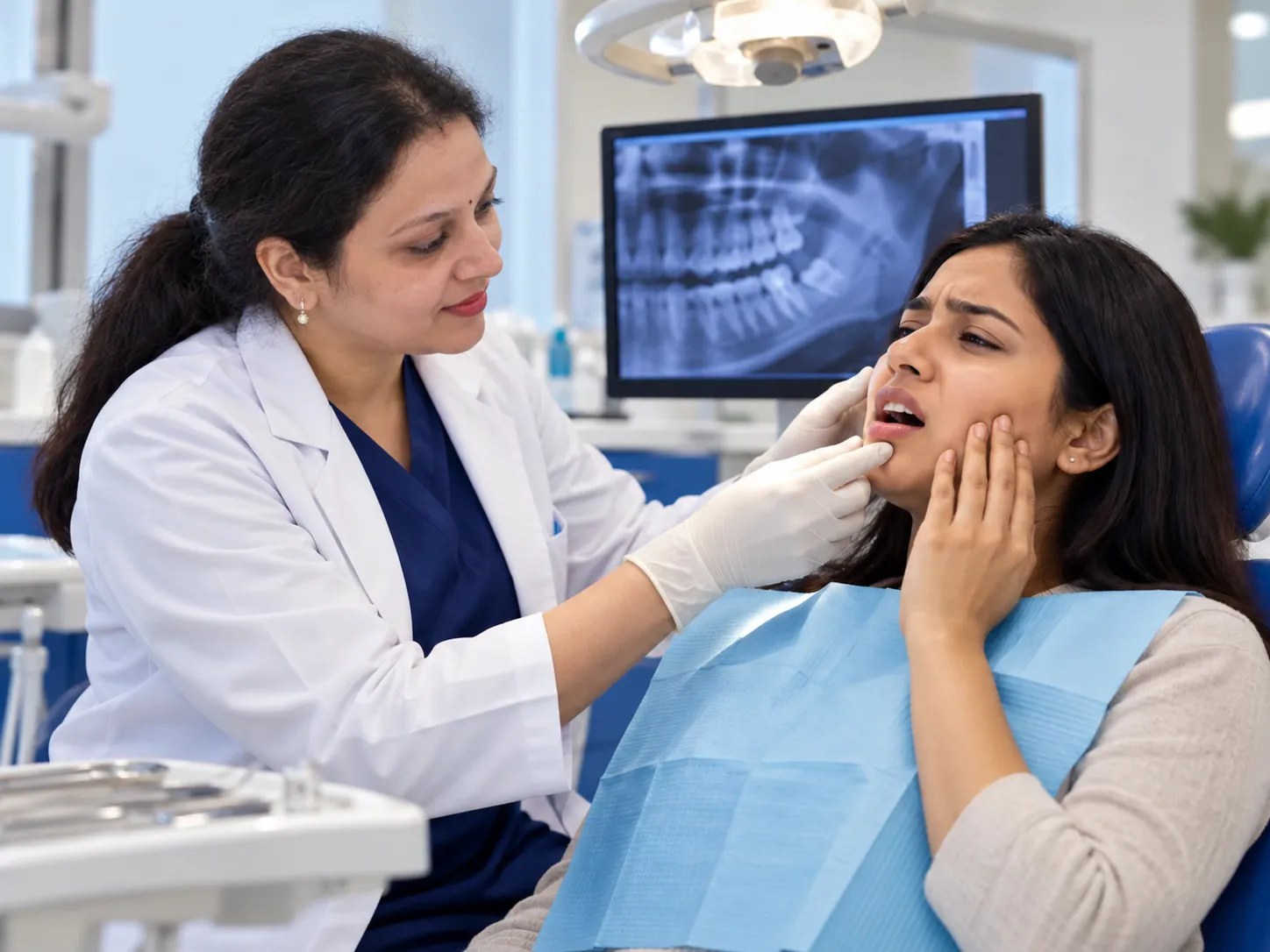
You have recurrent pain or swelling around a wisdom tooth
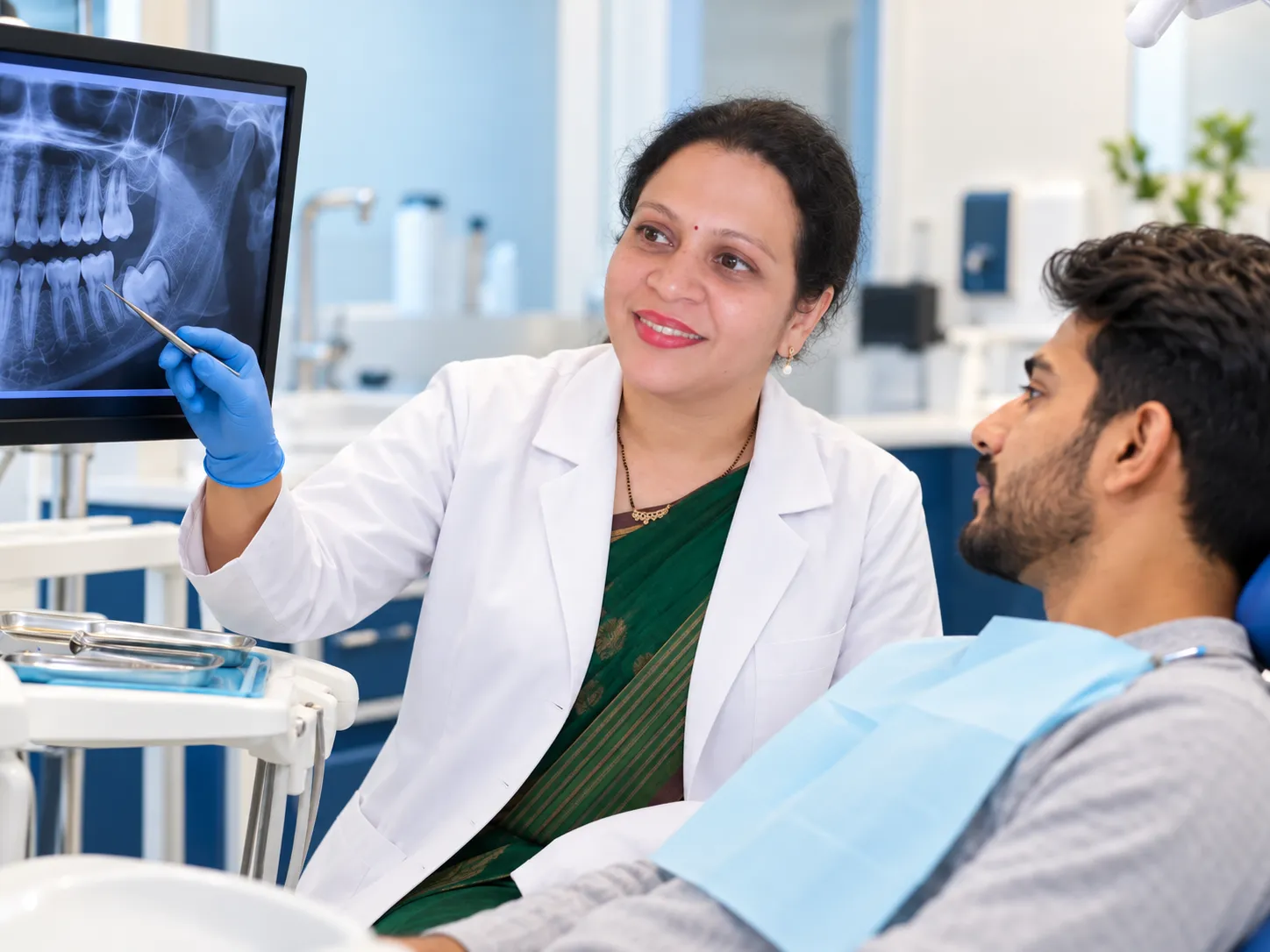
A wisdom tooth assessment
Clinical and radiographic assessment can determine the tooth position, roots, surrounding bone, infection and relationship to nearby structures.
Repeated pain, swollen gum, infection, difficulty opening the mouth or food trapping around a wisdom tooth may need assessment.
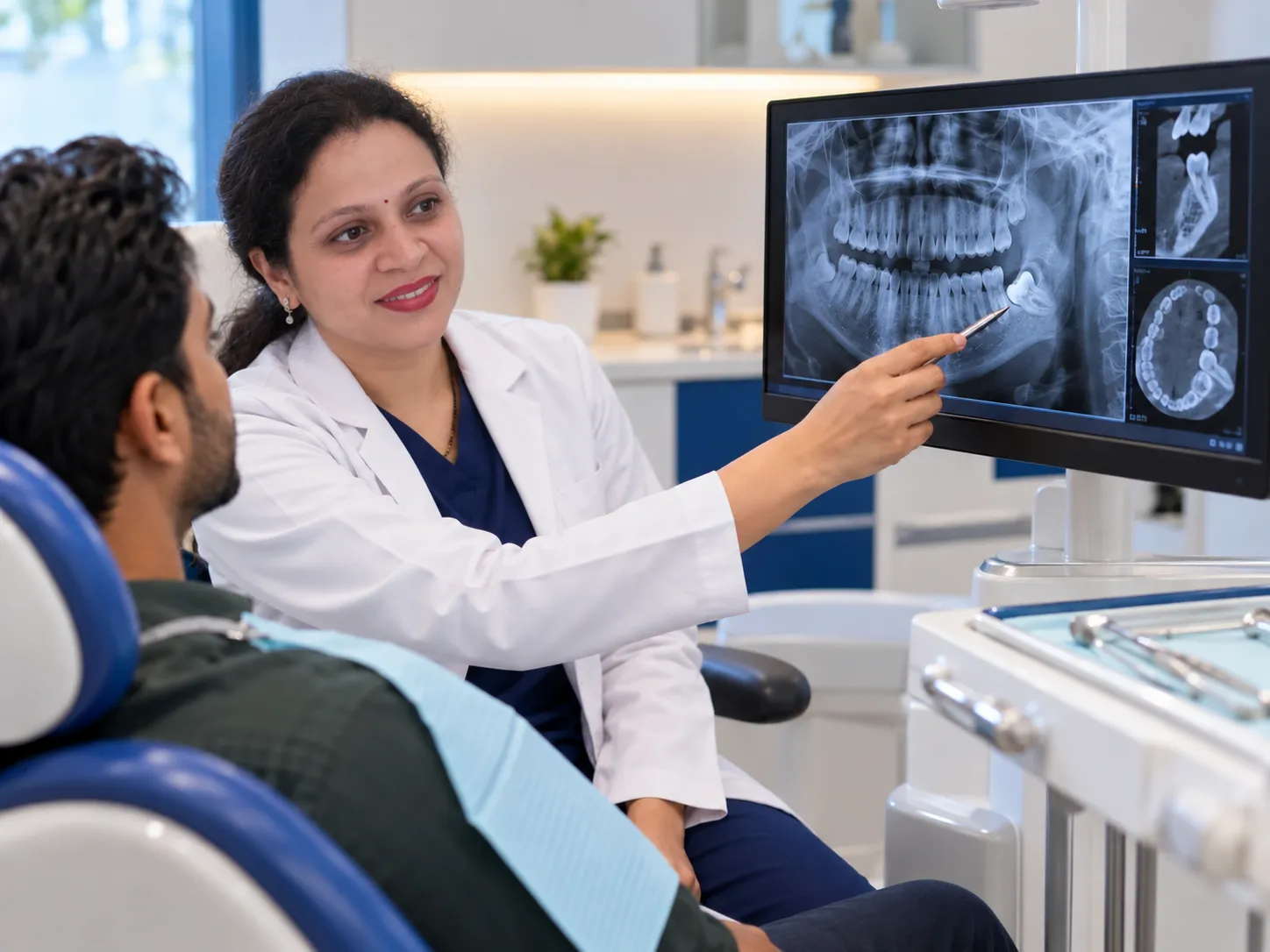
 The Problem
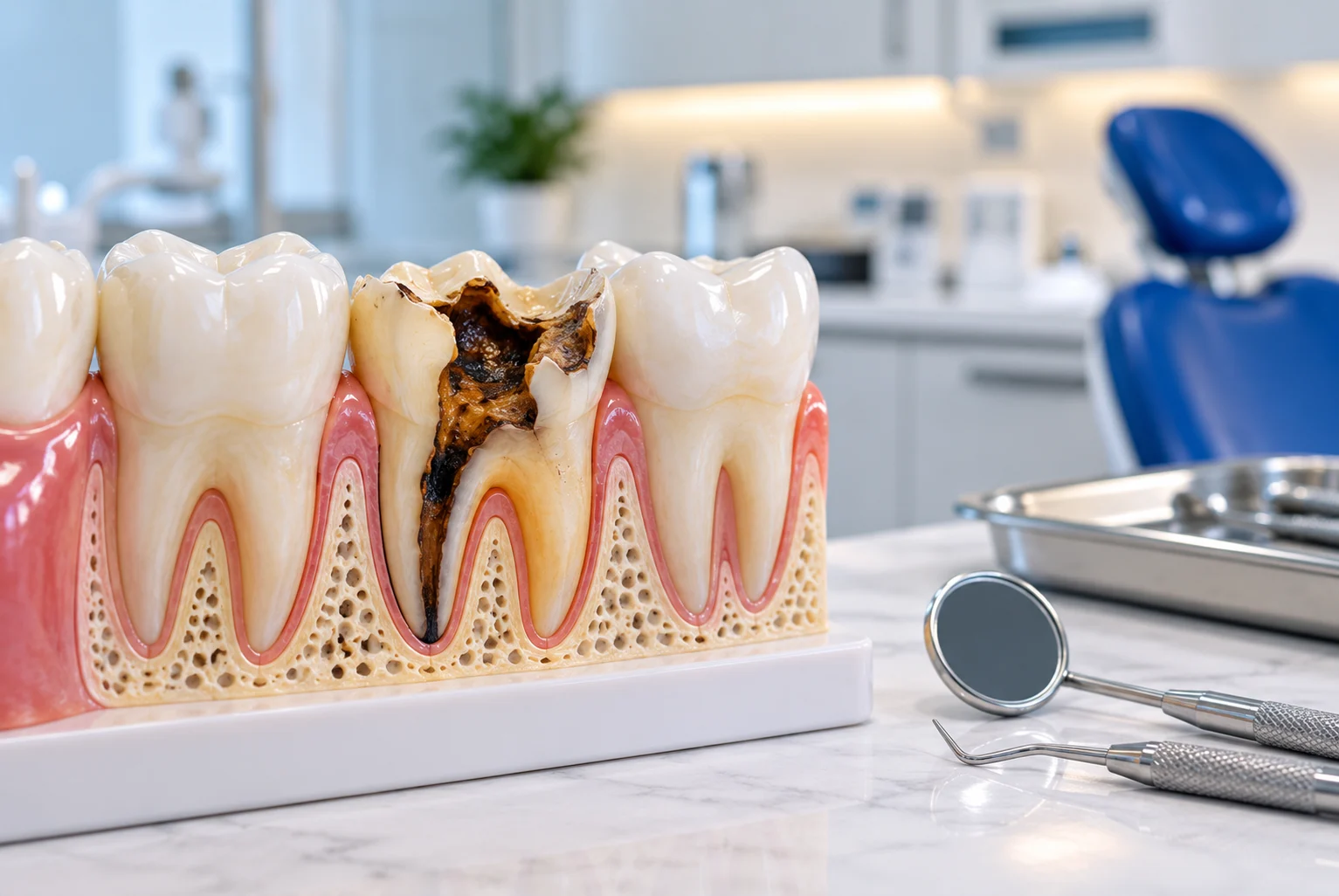
A tooth is badly broken, severely decayed or cannot be predictably restored
A tooth extraction assessment
The tooth, roots, surrounding bone and infection are assessed and alternatives such as restoration or root canal treatment are considered when appropriate.

A non-restorable tooth or retained root may require extraction after considering whether tooth-preserving treatment is possible.
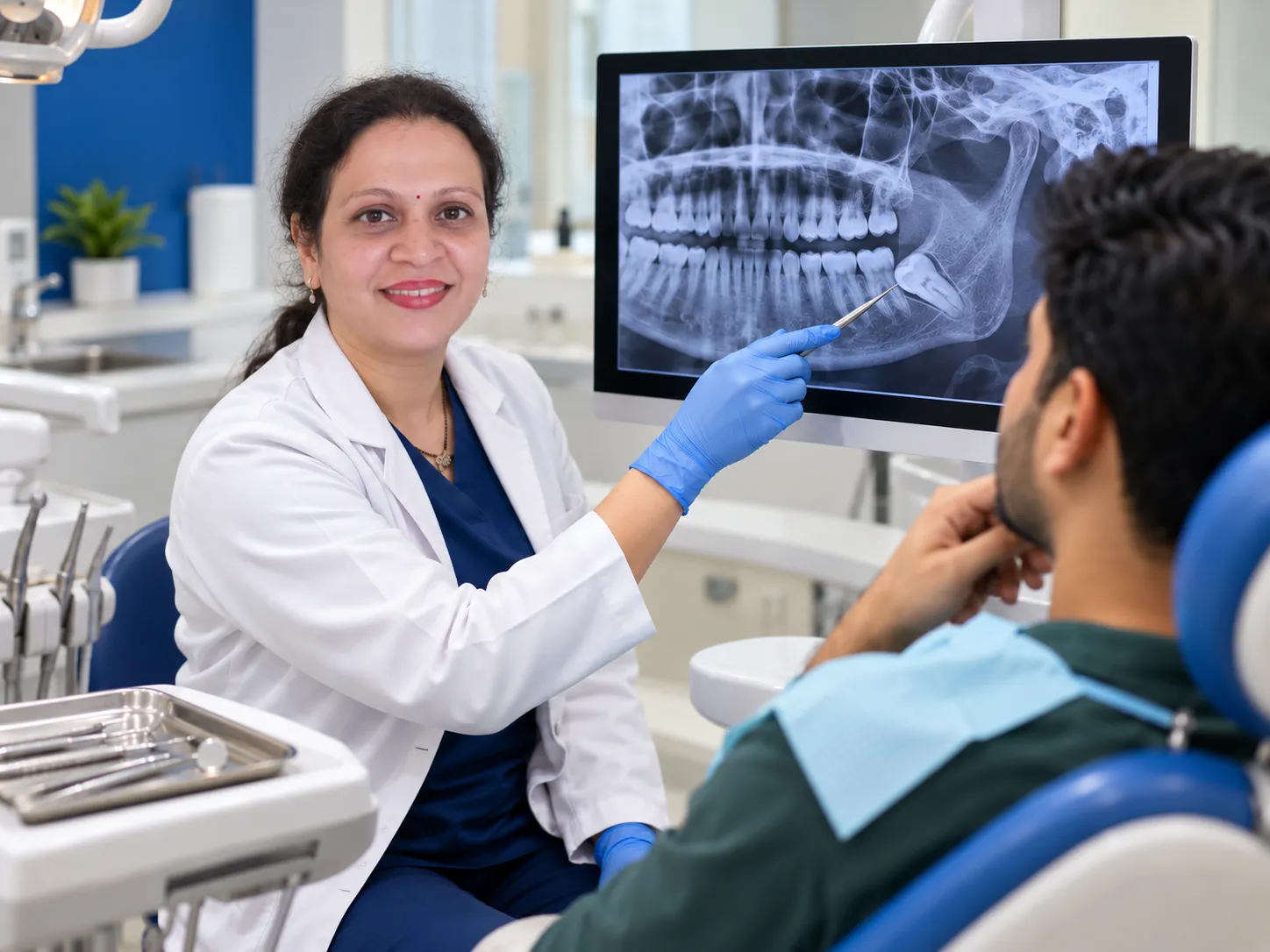 The Problem
A tooth or root is impacted, retained or difficult to access
Surgical extraction or minor oral surgery
The procedure may involve an incision, bone removal, tooth sectioning or removal of root segments depending on access and anatomy.
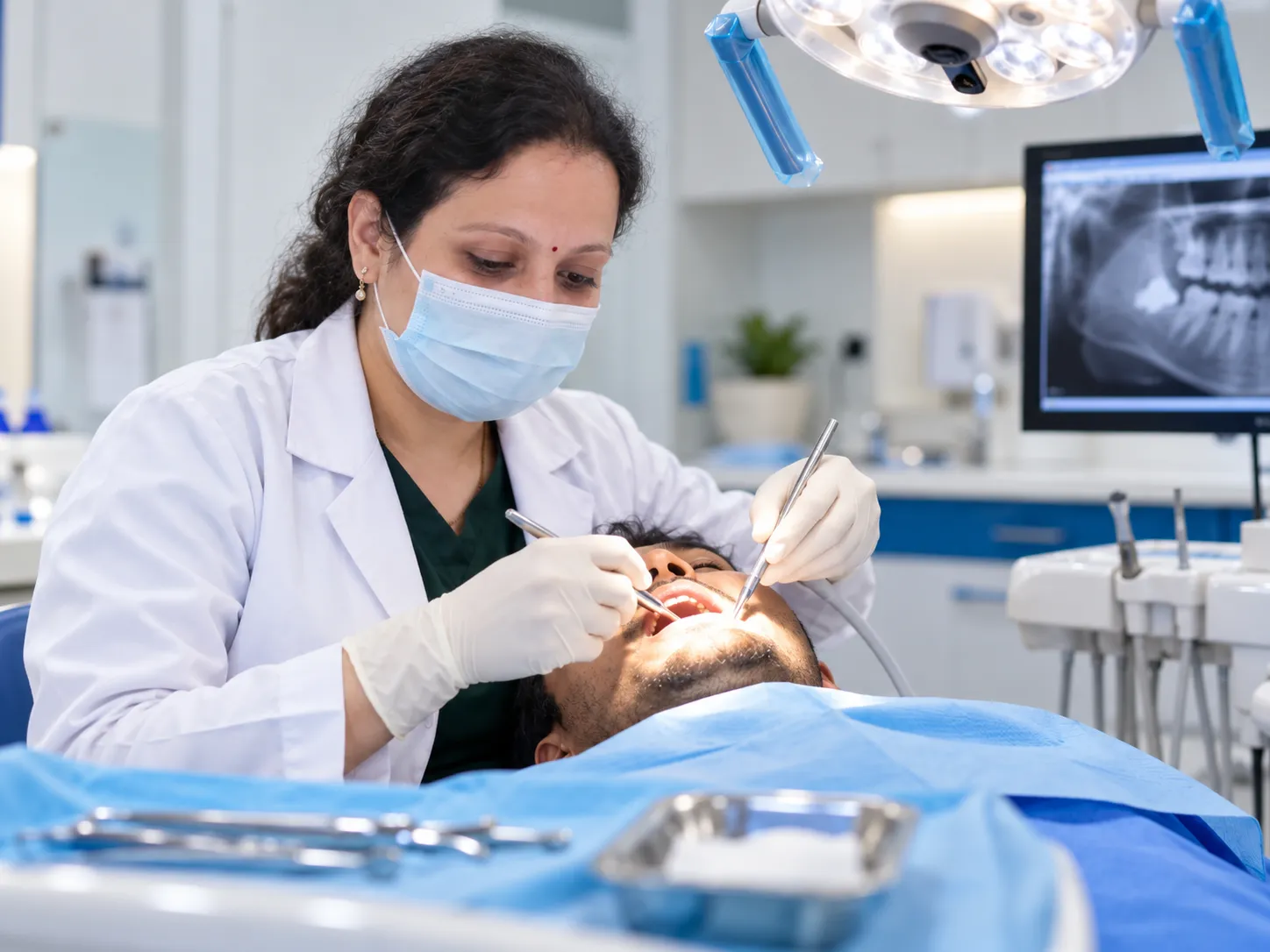
Teeth or roots below the gum, impacted teeth or complex anatomy may require a surgical approach rather than simple extraction.
 The Problem
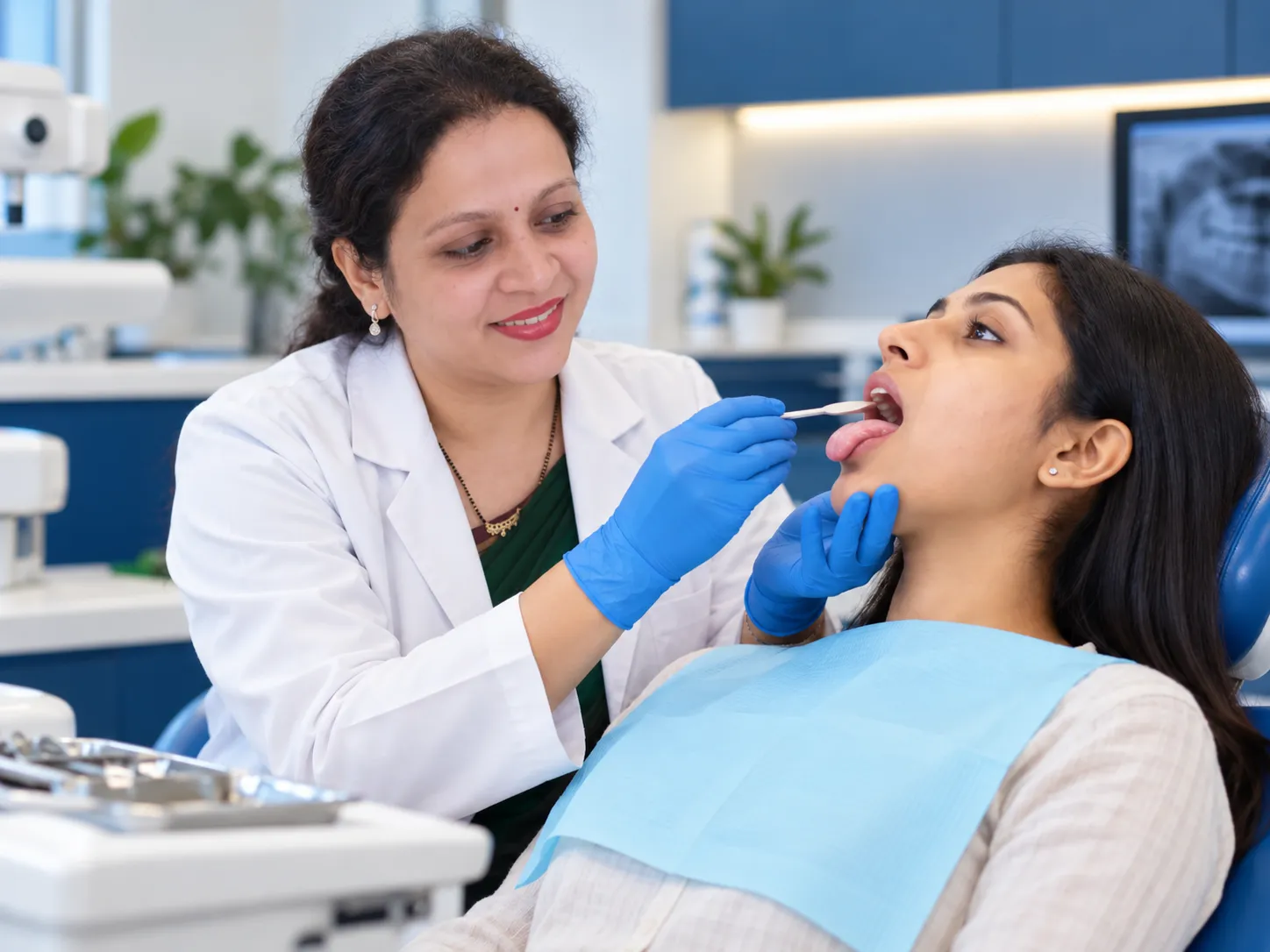
You have a dental injury, restricted tongue movement or a persistent oral lesion
Focused oral surgery or trauma assessment
The treatment plan depends on the injury, function, soft tissues, teeth involved and clinical findings, with referral when the case is beyond the clinic setting.
Dental trauma, a knocked-out permanent tooth, selected tongue-tie concerns or a persistent lesion should be assessed appropriately.
What Are Oral Surgery Treatment Options?
Oral surgery includes procedures involving the teeth, gums, jaw and soft tissues. Treatment may range from simple tooth extraction to surgical access, sectioning or bone removal for impacted teeth, with the procedure selected according to clinical and radiographic findings.
Oral Surgery Assessment Can Consider
The appropriate surgical plan depends on tooth position, root anatomy, surrounding bone, infection, nerve proximity, medical history, age, complexity and the treatment goal. The aim is to use the least invasive appropriate procedure.

Oral Surgery Procedures
Wisdom tooth removal, tooth extraction, surgical tooth extraction, minor oral surgery, tongue-tie correction and dental trauma treatment may be considered according to individual clinical and radiographic findings.

Tooth Extraction
Simple extraction may be considered when a tooth is severely decayed, non-restorable, periodontally hopeless, impacted or otherwise indicated for removal after assessment.

Surgical Tooth Extraction
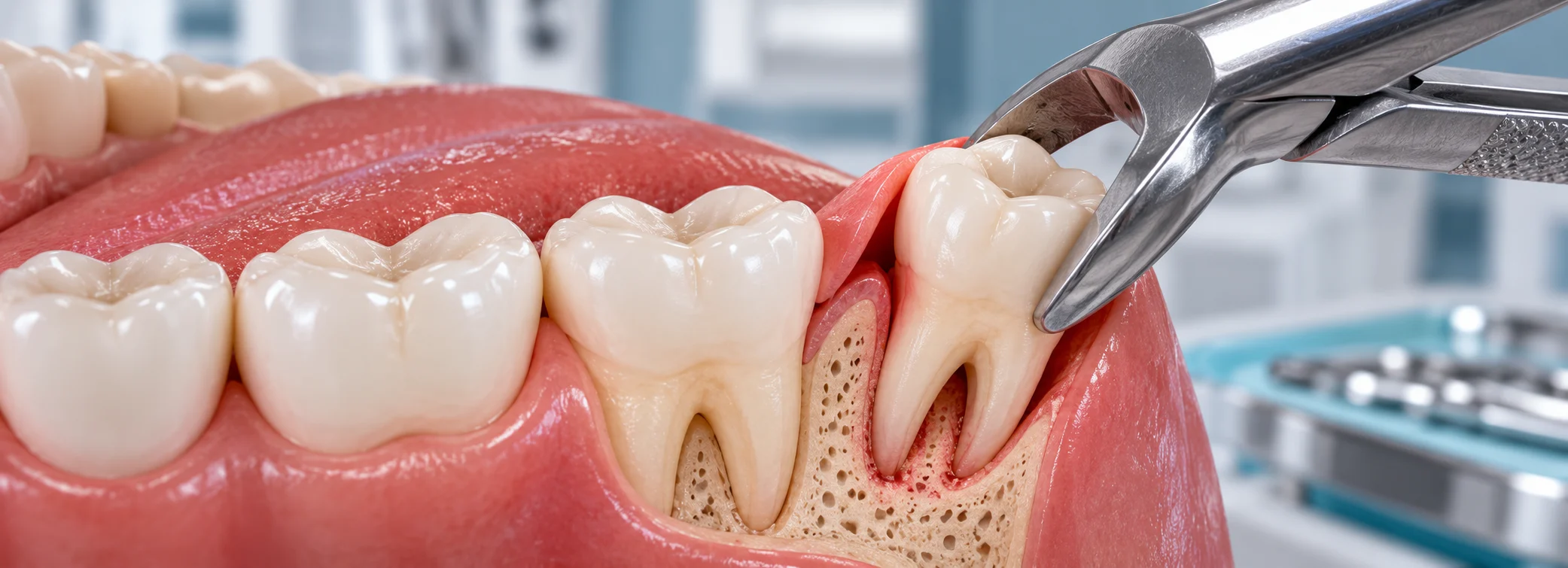
Surgical extraction may be needed for impacted teeth, broken teeth below the gum, complex roots, poor access, dense bone or retained root fragments.
Wisdom Tooth Removal
Wisdom teeth may be removed when there is recurrent infection, untreatable decay, periodontal disease, adjacent tooth damage, cyst/pathology or abnormal eruption or position.
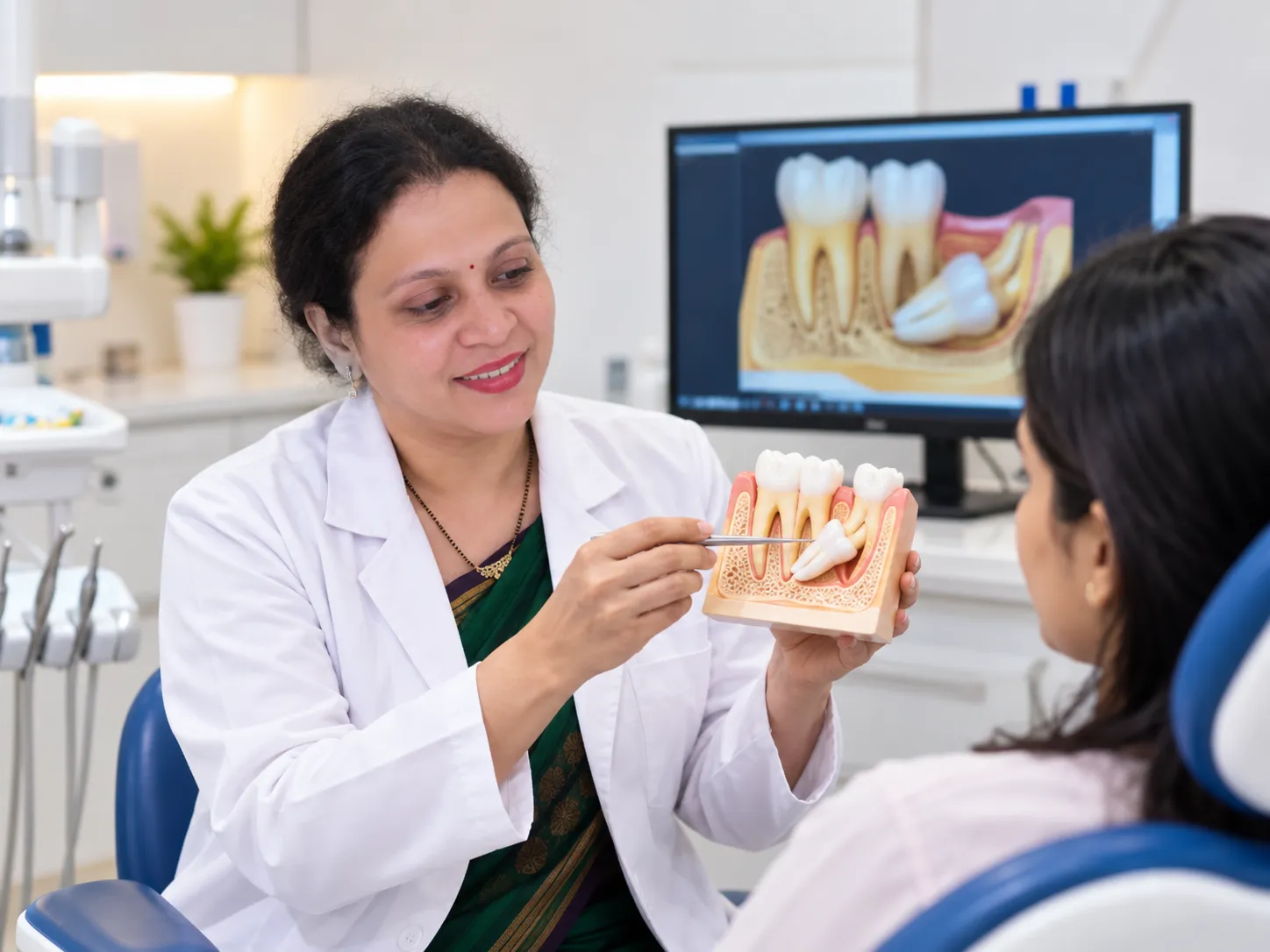
Minor Oral Surgery
Selected procedures can include retained roots, exposure of unerupted teeth, small soft-tissue procedures, biopsy or removal of selected lesions and other limited oral surgery.

Tongue-Tie Correction
Selected cases of ankyloglossia may be treated with frenotomy, frenectomy or frenuloplasty after assessment of tongue movement and functional concerns.

Dental Trauma Care
Dental trauma assessment may include fractures, displacement, avulsion, soft-tissue injuries and other injuries. A knocked-out permanent tooth requires urgent care.
Planning the Right Oral Surgery for You
Oral surgery planning may include clinical examination, dental X-rays and selective CBCT when 3D information is clinically useful. Assessment considers tooth position, root anatomy, surrounding bone, infection, nerve proximity and relevant medical history.

Clinical & Radiographic Assessment
Clinical examination and appropriate dental imaging help assess tooth position, root anatomy, surrounding bone, infection and nearby anatomical structures before surgery.

Selective CBCT Planning
CBCT may be considered when three-dimensional information is clinically useful, especially when it may change treatment planning or clarify nerve or anatomical relationships.

Anaesthesia & Surgical Safety
Local anaesthesia is commonly used. Sedation may be selected for certain patients or procedures, and sterilisation and infection-control standards are important throughout care.

Worried About Oral Surgery or Missing Teeth?
Oral surgery can feel concerning when you are unsure about pain, recovery, anaesthesia or the procedure itself. The consultation allows the findings, alternatives, risks, expected recovery and aftercare to be explained before treatment.
If You’re Unsure About Oral Surgery
If You Feel Concerned
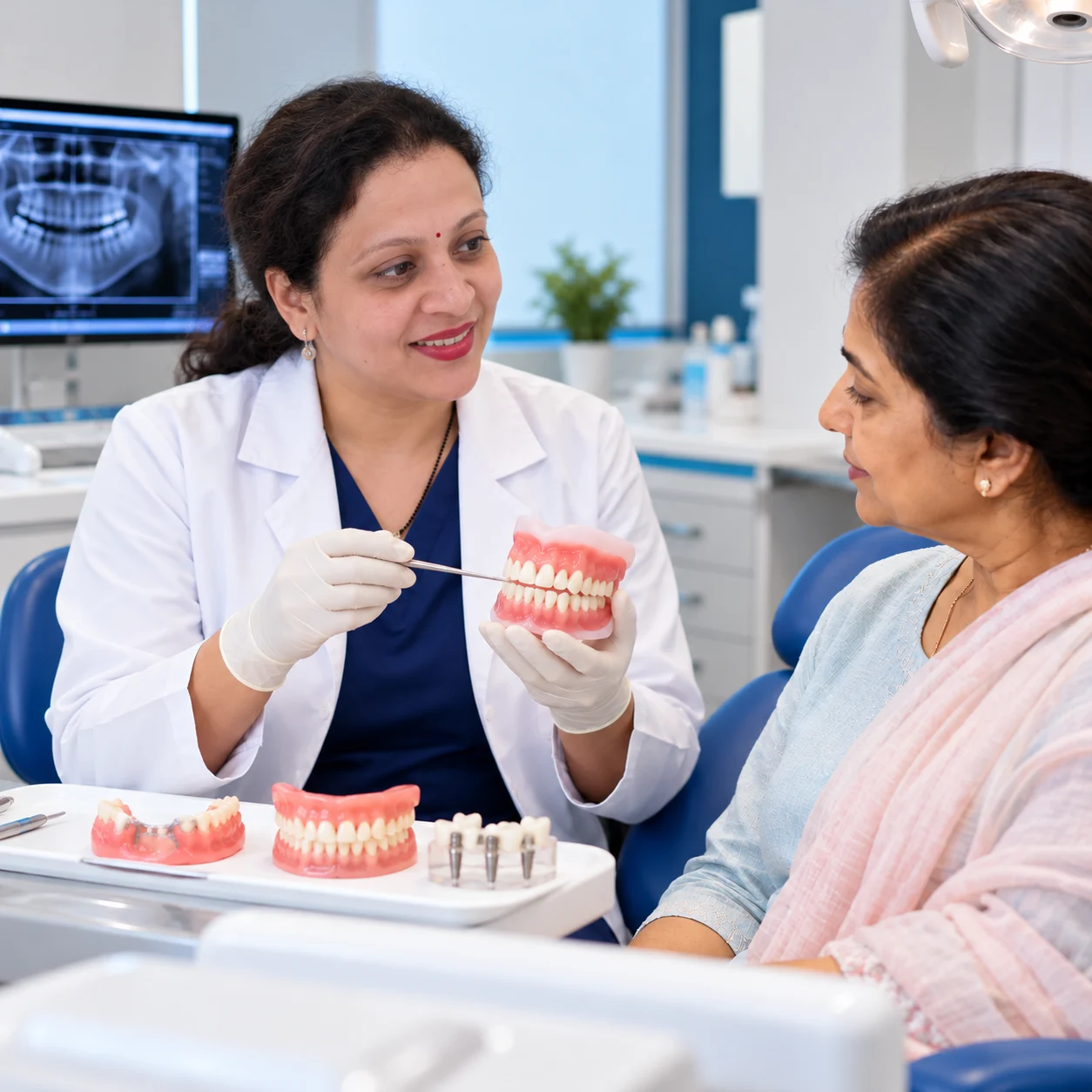
What Happens During an Oral Surgery Consultation
The assessment moves from your concern and medical history to examination, imaging when indicated, surgical planning, consent, treatment and follow-up.
Discuss Your Concern
You explain the symptoms, dental injury, wisdom tooth problem or surgical concern that brought you to the clinic.
You're heard first. No assumptions.
Review Medical & Dental History
We review relevant dental history, medical conditions, medicines, allergies and previous treatment or anaesthesia concerns.
Full picture. Before we plan.
Clinical Examination
The tooth, gums, soft tissues, jaw movement and surrounding structures are assessed.
Clear assessment. No surprises.
Imaging When Necessary
Dental X-rays or selective CBCT may be recommended when additional information is needed for diagnosis or surgical planning.
Only when it adds information.
Explain the Findings
We explain the diagnosis, treatment indication, alternatives and relevant risks in clear language.
Your findings. In plain language.

When Should You Consider Oral Surgery?
Oral surgery may be considered for problematic wisdom teeth, non-restorable teeth, retained roots, selected infections, impacted teeth, tongue-tie and dental trauma. The indication depends on clinical and radiographic findings.
Will I Need X-Rays or Other Records?
Panoramic or other dental X-rays may be used for assessment. CBCT is considered selectively when 3D information is clinically useful and may change diagnosis or treatment planning.
Problems That May Need Oral Surgery Assessment
Recurrent wisdom tooth pain or infection, badly broken or non-restorable teeth, retained roots, impacted teeth, restricted tongue movement, persistent oral lesions and dental injuries may require assessment.
When Urgent Medical Care Is Needed
If swelling affects breathing, swallowing or speaking, or there is uncontrolled bleeding or major facial trauma, seek urgent medical attention rather than waiting for a routine dental appointment.

Possible Risks & Complications
Oral surgery can involve pain, swelling, bleeding, infection, dry socket, jaw stiffness and delayed healing. Depending on the procedure, there may also be risks to adjacent teeth, sinus complications or temporary and rarely persistent nerve disturbance.
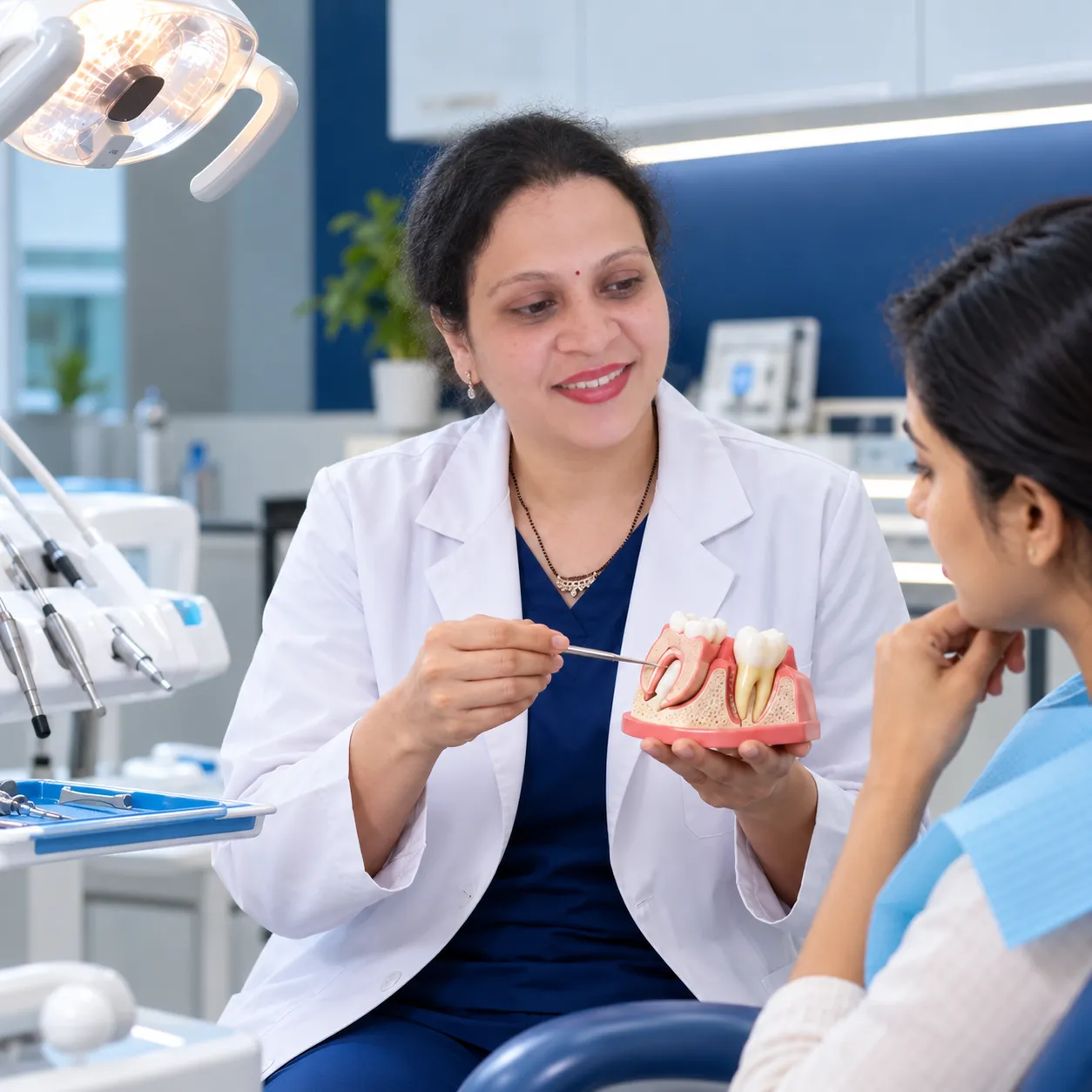
What Happens During an Oral Surgery Consultation?
After surgery, follow the instructions provided for bleeding control, oral hygiene, food, medicines, activity and follow-up. Recovery varies with the procedure and individual healing.
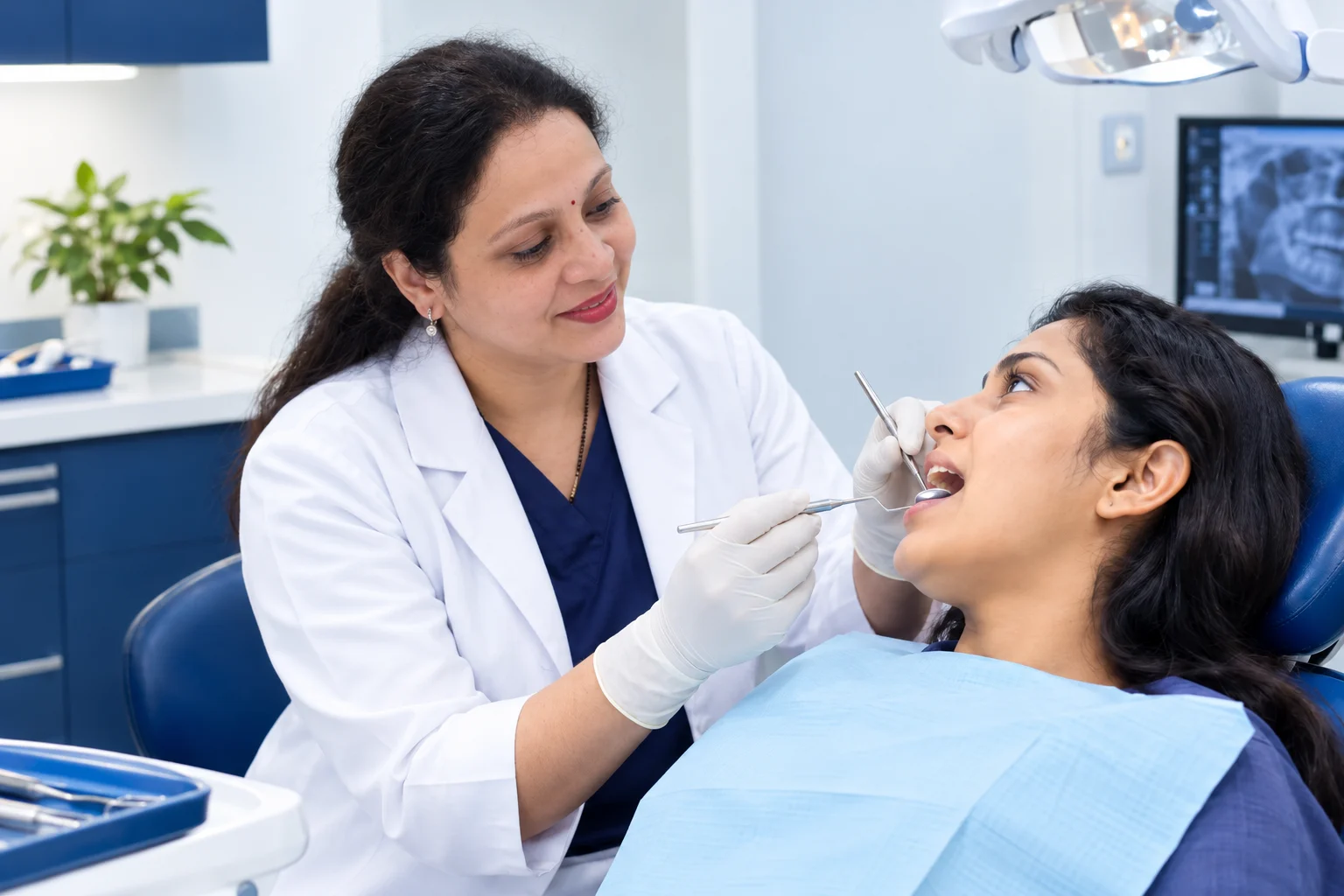
Clinical Examination
The tooth, gums, surrounding tissues and relevant medical history are reviewed, with imaging when indicated.

Surgical Planning & Consent
The findings, treatment options, risks, alternatives, anaesthesia and expected recovery are discussed before the procedure.

Procedure & Follow-Up
After treatment, post-operative instructions are provided and follow-up is planned according to the procedure and healing needs.
Assessment, Fit & Next Steps
Follow-up may be used to assess healing, infection, bleeding, pain, function and any need for additional treatment. Antibiotics are not automatic and are used when clinically indicated.
Different Oral Surgery Situations May Need Different Approaches
Oral surgery treatment is selected according to the tooth or tissue involved, clinical findings, imaging, infection, anatomy, medical history, age, complexity and treatment goals.
| Option | Suitable For | Advantages | Limitations | Treatment Time | Maintenance |
|---|---|---|---|---|---|
| Simple Tooth Extraction | Teeth that can be removed with conventional access after appropriate assessment | Less extensive procedure when the tooth and access allow straightforward removal | May not be suitable for impacted teeth, complex roots or teeth below the gum | Depends on tooth position, roots, infection and complexity | Post-operative care and follow-up as advised |
| Surgical Extraction | Impacted, broken, complex or difficult-to-access teeth and retained roots | Provides surgical access when simple extraction is not appropriate | May involve incision, bone removal, tooth sectioning, sutures and a longer recovery | Depends on anatomy and surgical complexity | Post-operative wound care, medicines when indicated and follow-up |
| Wisdom Tooth Removal | Wisdom teeth with recurrent infection, untreatable decay, periodontal disease, adjacent tooth damage, pathology or abnormal position | Can address a problematic or diseased wisdom tooth when removal is indicated | Risks include pain, swelling, infection, dry socket and possible nerve or sinus complications | Depends on impaction, roots, bone and proximity to nerves or other structures | Post-operative care and review; selected high nerve-risk cases may be considered for coronectomy |
| Tongue-Tie Correction | Selected cases of ankyloglossia with functional concerns after assessment | May improve restricted tongue movement when the frenulum is limiting function | Not every tongue-tie requires surgery; function and other causes must be assessed | Depends on the procedure and individual case | Follow-up and functional care as advised |
| Dental Trauma Care | Fractured, displaced or avulsed teeth and related dental injuries | Early assessment can guide repositioning, splinting, fragment bonding or other appropriate care | Outcome depends on injury type, timing, tooth condition and surrounding tissues | Knocked-out permanent teeth require urgent management | Follow-up is important because trauma may require later treatment even when immediate symptoms improve |
Simple Tooth Extraction
- Suitable For
- Teeth that can be removed with conventional access after appropriate assessment
- Advantages
- Less extensive procedure when the tooth and access allow straightforward removal
- Limitations
- May not be suitable for impacted teeth, complex roots or teeth below the gum
- Treatment Time
- Depends on tooth position, roots, infection and complexity
- Maintenance
- Post-operative care and follow-up as advised
Surgical Extraction
- Suitable For
- Impacted, broken, complex or difficult-to-access teeth and retained roots
- Advantages
- Provides surgical access when simple extraction is not appropriate
- Limitations
- May involve incision, bone removal, tooth sectioning, sutures and a longer recovery
- Treatment Time
- Depends on anatomy and surgical complexity
- Maintenance
- Post-operative wound care, medicines when indicated and follow-up
Wisdom Tooth Removal
- Suitable For
- Wisdom teeth with recurrent infection, untreatable decay, periodontal disease, adjacent tooth damage, pathology or abnormal position
- Advantages
- Can address a problematic or diseased wisdom tooth when removal is indicated
- Limitations
- Risks include pain, swelling, infection, dry socket and possible nerve or sinus complications
- Treatment Time
- Depends on impaction, roots, bone and proximity to nerves or other structures
- Maintenance
- Post-operative care and review; selected high nerve-risk cases may be considered for coronectomy
Tongue-Tie Correction
- Suitable For
- Selected cases of ankyloglossia with functional concerns after assessment
- Advantages
- May improve restricted tongue movement when the frenulum is limiting function
- Limitations
- Not every tongue-tie requires surgery; function and other causes must be assessed
- Treatment Time
- Depends on the procedure and individual case
- Maintenance
- Follow-up and functional care as advised
Dental Trauma Care
- Suitable For
- Fractured, displaced or avulsed teeth and related dental injuries
- Advantages
- Early assessment can guide repositioning, splinting, fragment bonding or other appropriate care
- Limitations
- Outcome depends on injury type, timing, tooth condition and surrounding tissues
- Treatment Time
- Knocked-out permanent teeth require urgent management
- Maintenance
- Follow-up is important because trauma may require later treatment even when immediate symptoms improve

A Personalized Approach to Oral Surgery
No two surgical cases are exactly the same. Oral surgery planning is influenced by tooth position, root anatomy, surrounding bone, infection, nerve proximity, medical conditions and medications, age, complexity and treatment goals. For this reason, the procedure should be planned after individual assessment.
Factors We Consider
- • Age
- • Oral hygiene
- • Previous dental treatment
- • Relevant medical conditions
- • Current medications
- • Previous anaesthesia or surgical history
Individual Surgical Factors
- • Medical conditions
- • Medications
- • Bleeding risk
- • Infection
- • Nerve proximity and anatomical complexity
- • Clinical and radiographic findings
Your surgical plan should be based on your individual needs. At Dr. Kashmira Jathar Dental Clinic, oral surgery planning focuses on clinical and radiographic assessment, careful surgical planning, discussion of alternatives and risks, appropriate anaesthesia, post-operative care and follow-up.

Meet Dr. Kashmira Jathar, BDS
Dr. Kashmira Jathar is a BDS-qualified dentist with more than 20 years of dental practice experience, registered with the Maharashtra State Dental Council (Reg. No. A-14093 M, 2007). She is a member of the Indian Dental Association and the Saturday Club.
Her practice focuses on individual assessment and treatment planning, including tooth extraction, wisdom tooth removal, minor oral surgery, tongue-tie correction and dental trauma care where appropriate.
Oral Surgery FAQs
Oral surgery includes procedures involving teeth, gums, jaw and soft tissues, ranging from tooth extraction to surgical access for impacted teeth and selected minor oral procedures.
Visiting the Clinic
Elegance Smile Studio is located in Pimple Saudagar, Pune, serving patients across Pimpri-Chinchwad and surrounding areas for oral surgery consultations and dental care.
Related Services
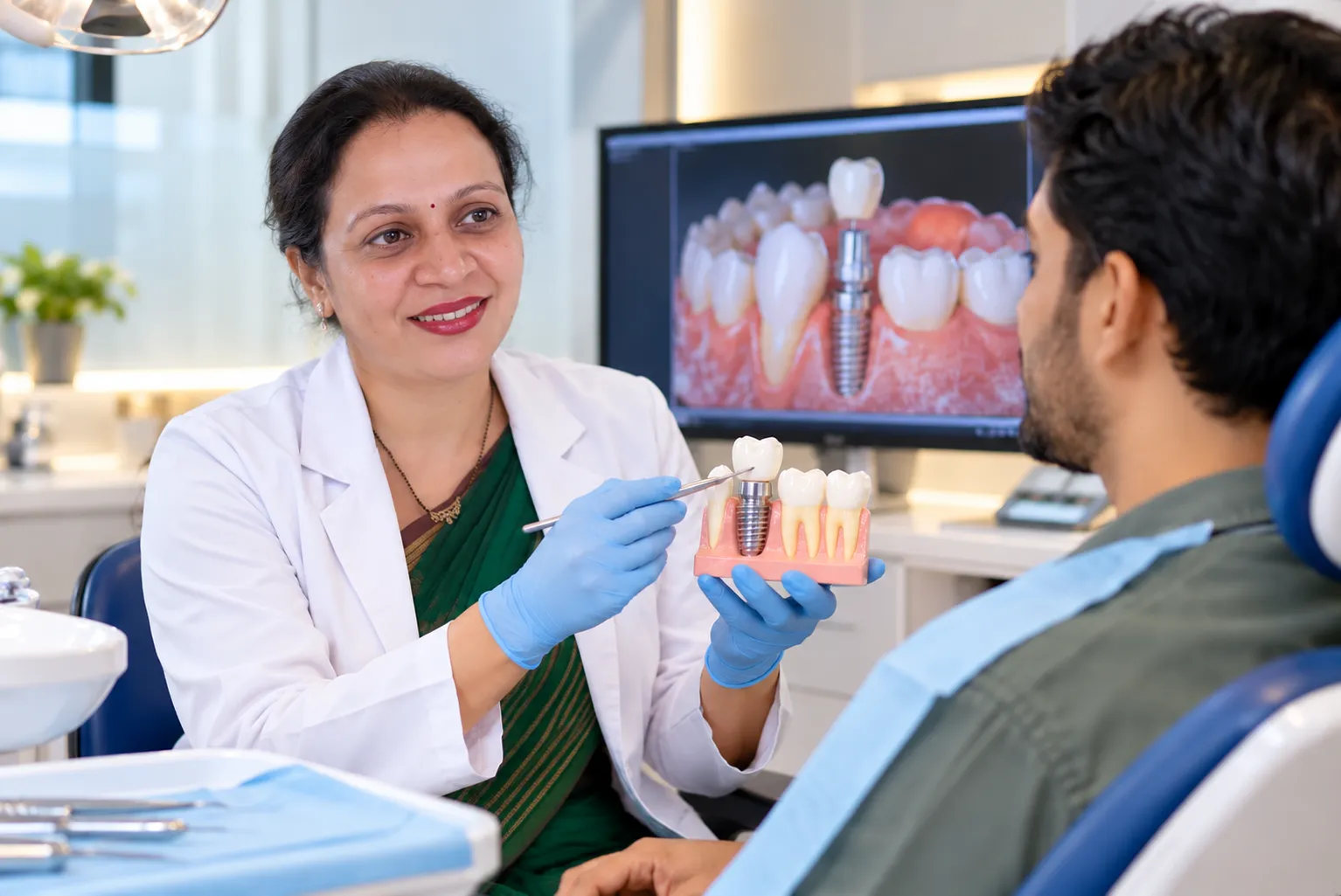

Book a Oral Surgery Appointment
Whether you need wisdom tooth removal, tooth extraction, surgical extraction, minor oral surgery, tongue-tie correction or dental trauma care, the first step is an individual clinical and radiographic assessment. Call or WhatsApp to arrange a consultation with Dr. Kashmira Jathar, BDS.
Sources & Review
Information on oral surgery, tooth extraction, wisdom tooth removal, minor oral surgery, tongue-tie correction, dental trauma, imaging, risks, recovery and aftercare is based on the Oral Surgery patient guide. Treatment suitability varies by individual anatomy, tooth position, root anatomy, bone, infection, nerve proximity, medical history and clinical findings. Page content reviewed by Dr. Kashmira Jathar, BDS.