

Preventive Dental Care in
Pimple Saudagar, Pune
Protect your teeth and gums with regular dental examinations, professional cleaning, scaling and polishing, fluoride care when appropriate, and personalized oral hygiene guidance.
Chat on WhatsApp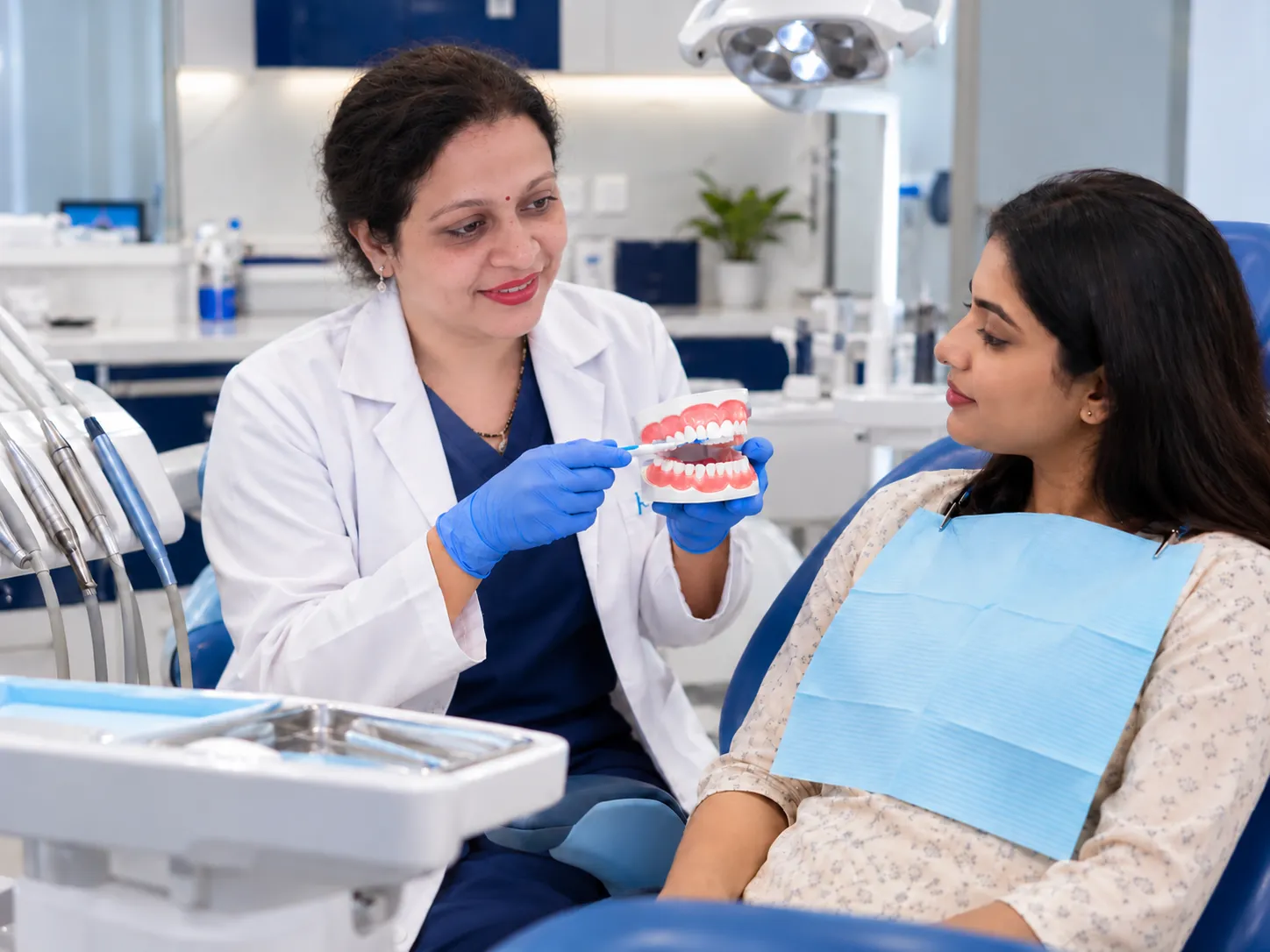
Practice
Regular Care Helps
Protect Your Smile
20+
Years of Dental Practice
BDS
Qualified Dentist
2007
Dental Registration
Preventive dental care helps maintain healthy teeth and gums, identify concerns early, and support good oral-health habits over time.
Dr. Kashmira Jathar Dental Clinic
Our Preventive Dental Care Services
Professional preventive care focused on maintaining healthy teeth and gums, identifying concerns early, and providing guidance based on your individual oral-health needs.
Signs It’s Time for a Preventive Visit
You don’t need a specific problem to book a preventive visit. Here are common reasons patients come in, and what happens next.
 The Problem
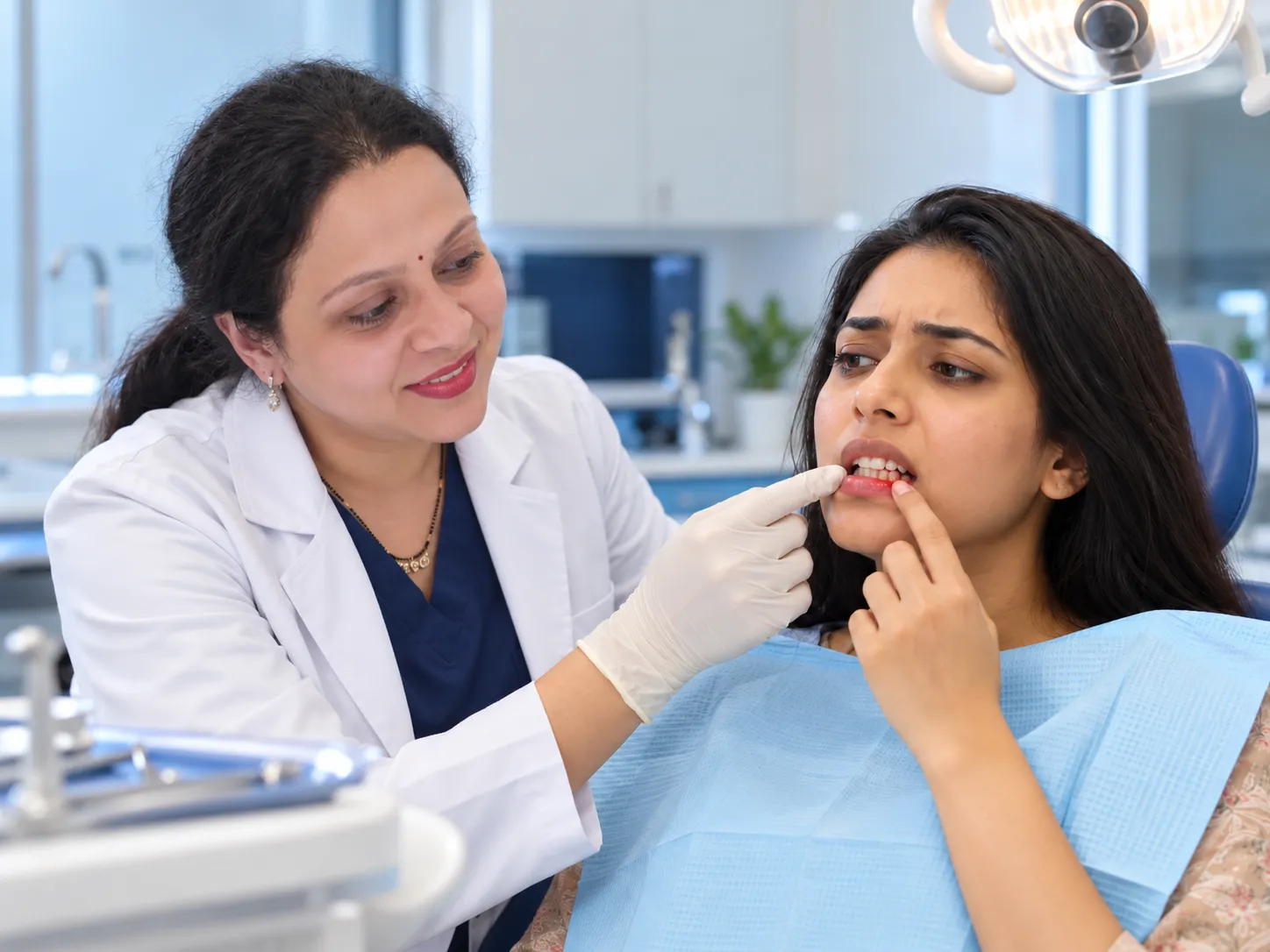
Your gums bleed when you brush
A gum-health assessment
Your gums are checked for redness, swelling, bleeding, recession and plaque or calculus build-up as part of a preventive dental examination.
Bleeding gums can be one of the easier warning signs to miss, since it doesn't always come with pain.
 The Problem
Plaque or tartar you can feel but can't brush away
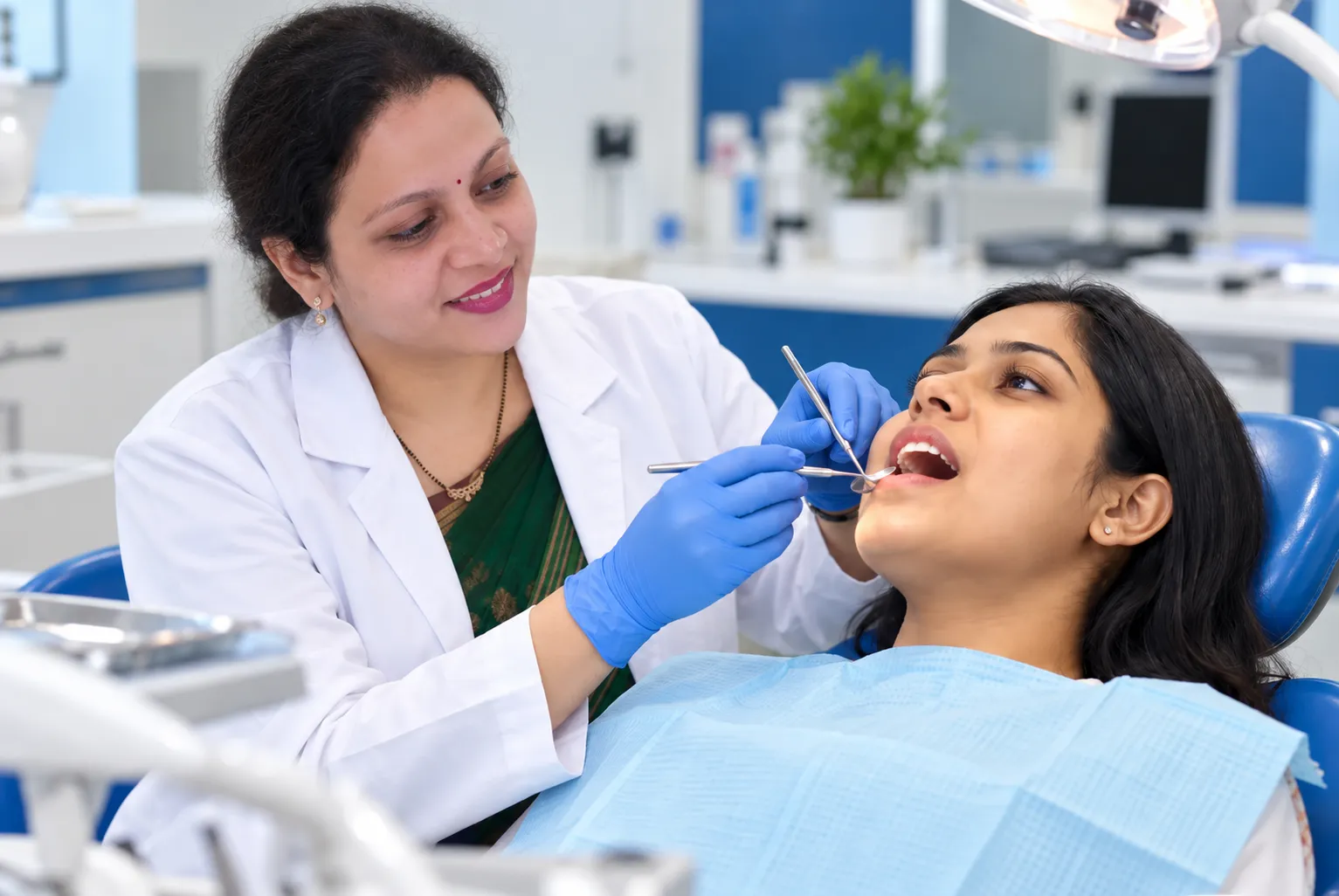
Professional cleaning, scaling & polishing
Scaling removes plaque and hardened deposits from tooth surfaces, including along the gumline, and polishing smooths teeth and helps remove certain external stains.
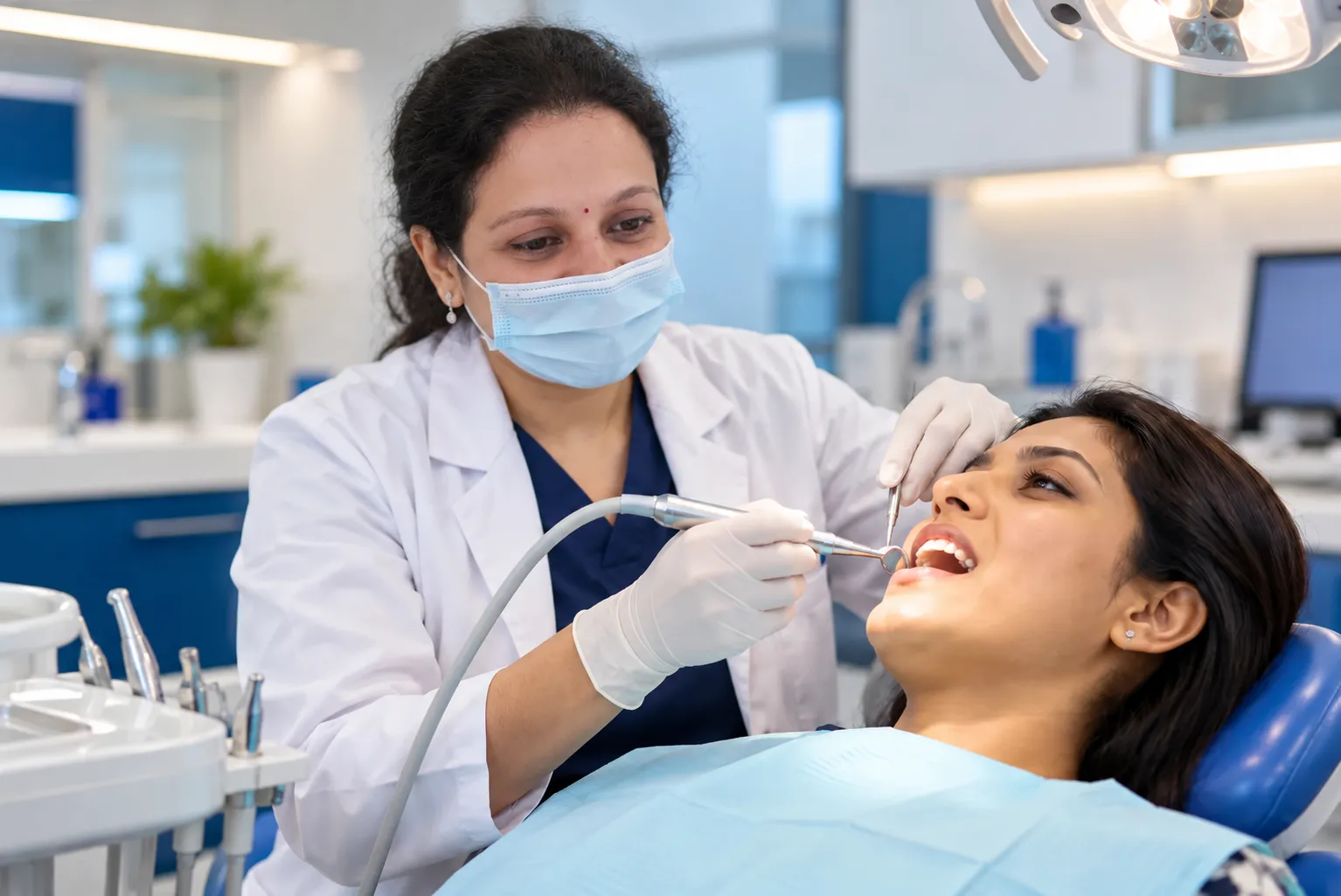
Once plaque hardens into calculus, ordinary brushing alone can no longer remove it.
 The Problem
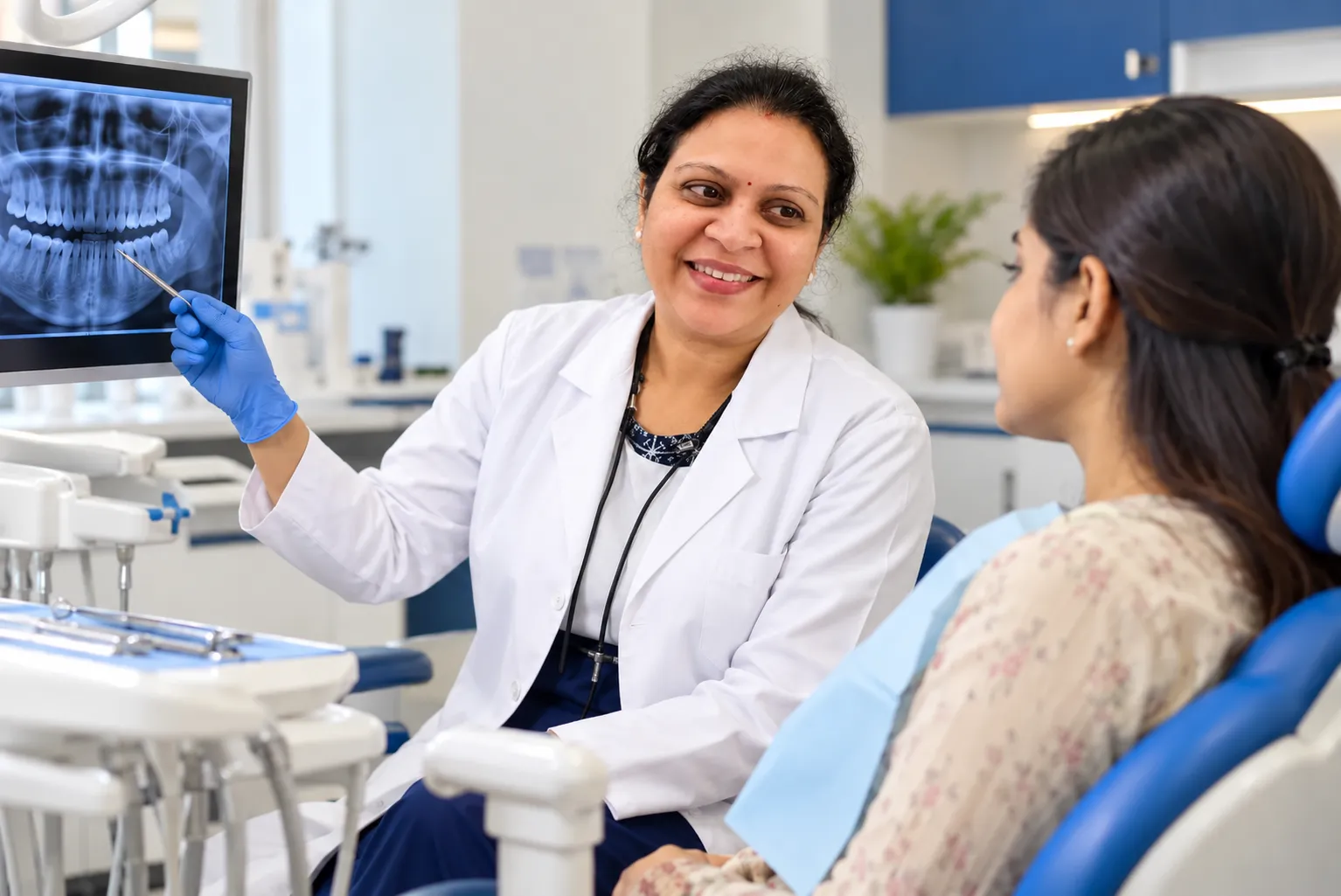
You haven't had a dental check-up in a while
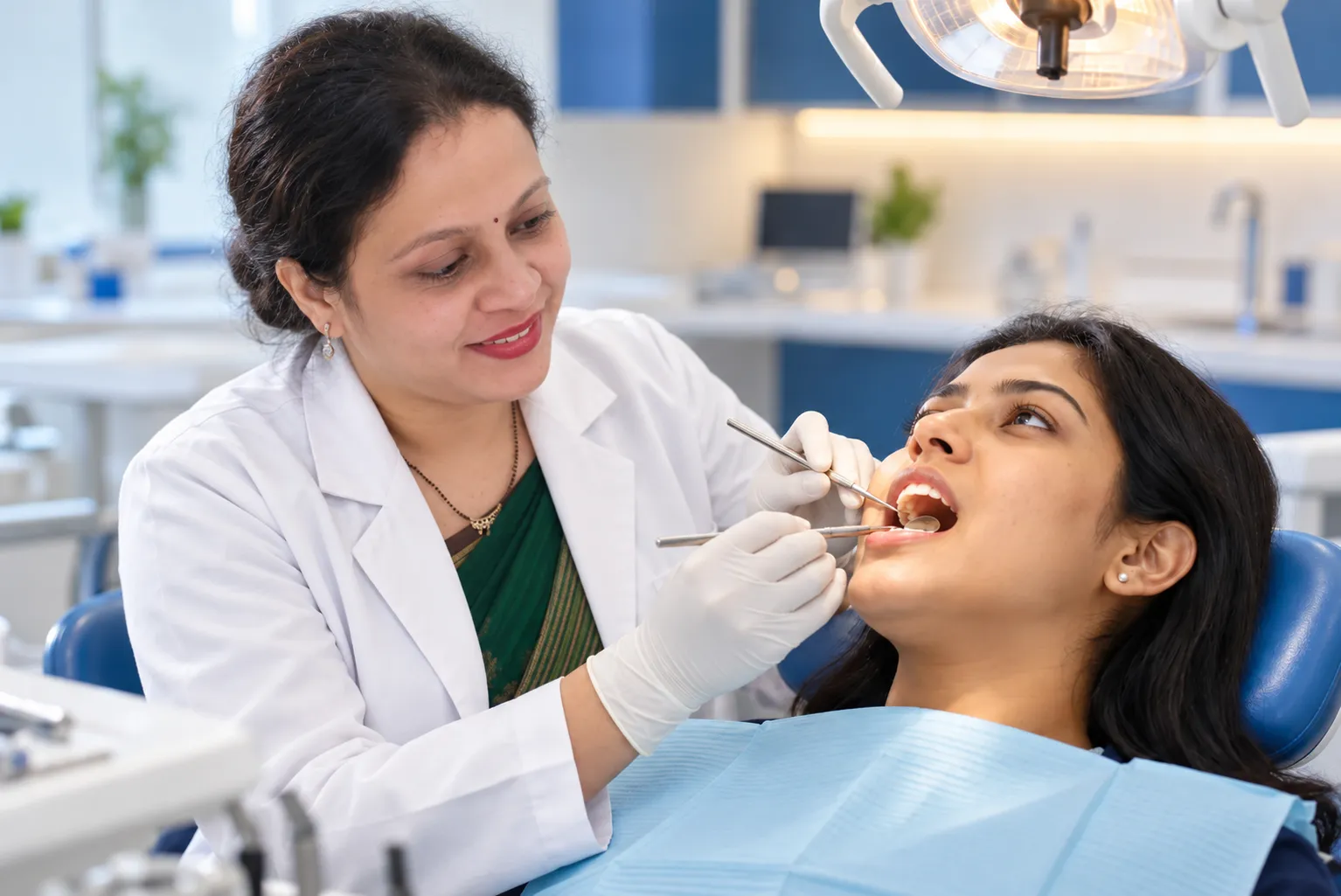
A preventive dental check-up
A preventive examination lets your dentist monitor your teeth and gums even when you aren't experiencing pain, so changes can be identified early.
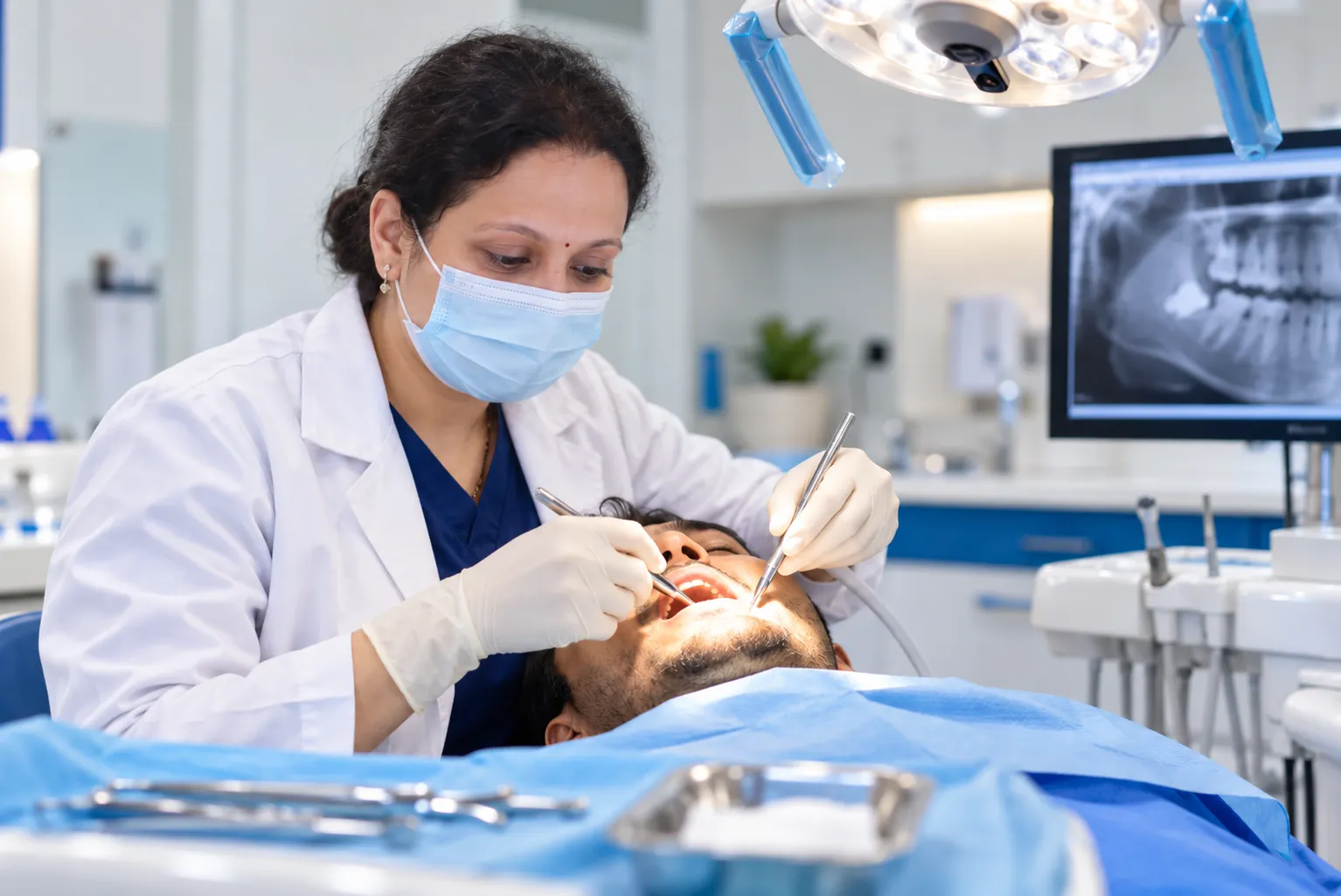
Many oral health problems can develop without causing obvious symptoms at first.
 The Problem
You're not sure your home routine is doing enough
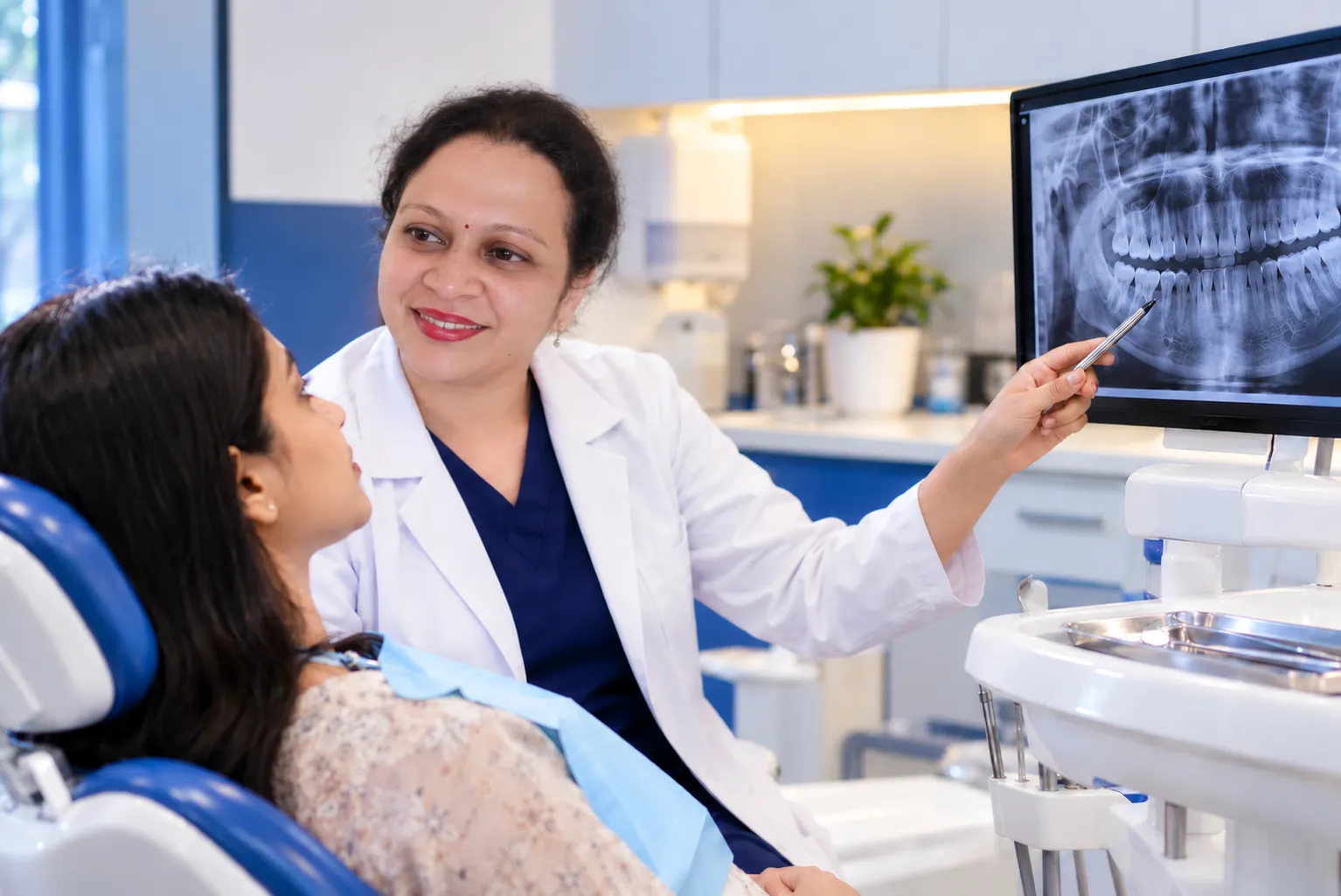
Personalized oral hygiene guidance
Your dentist recommends a toothbrush type, technique, fluoride toothpaste and interdental cleaning method suited to your individual needs and risk.
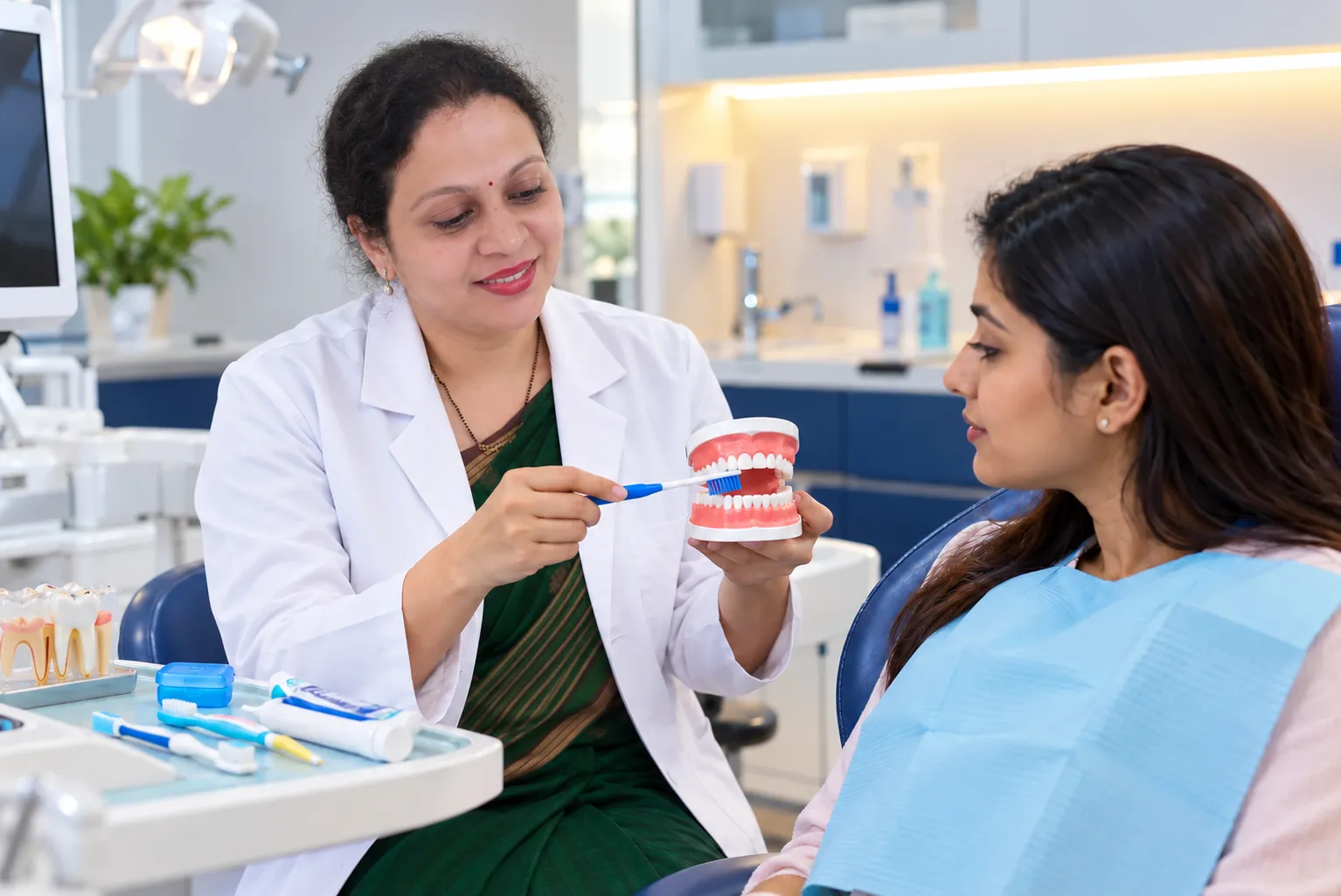
Crowded teeth, orthodontic appliances, dry mouth or a high cavity risk can call for a different routine than a generic one.
What Is Preventive Dental Care?
Preventive dentistry focuses on reducing the risk of common oral health problems and maintaining the health of your teeth and gums, rather than only treating a tooth once it starts to hurt.
Preventive Dental Care Can Include
Your preventive needs may depend on your age, dental history, cavity risk, gum health, oral hygiene habits, existing restorations, diet, tobacco use and other individual factors.
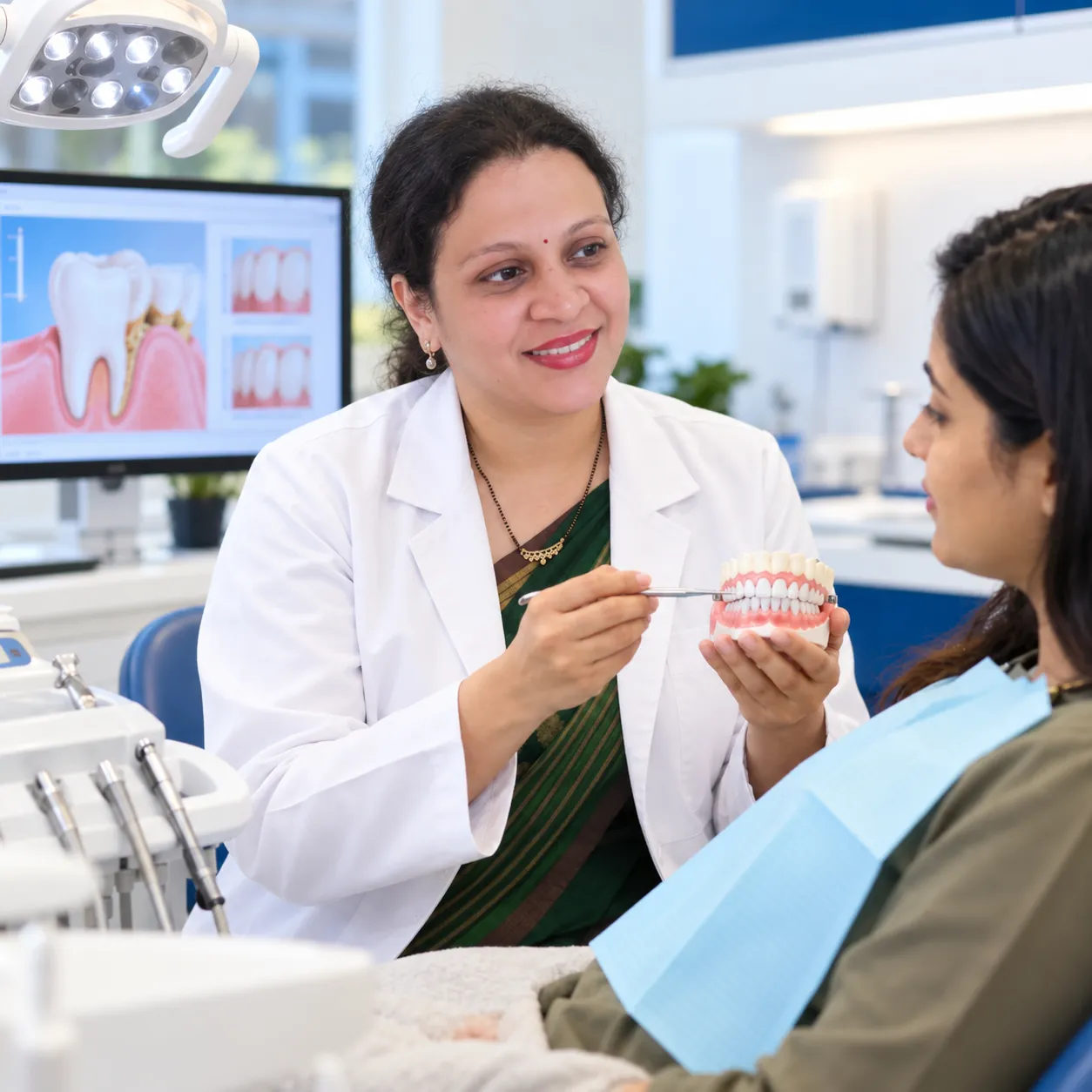
Comprehensive Preventive Care for Healthy Teeth and Gums
Preventive dental care includes professional teeth cleaning, scaling and polishing, fluoride treatment when appropriate, preventive examinations, personalized oral hygiene guidance and measures to help prevent gum disease. The right combination depends on your individual oral health and risk factors.
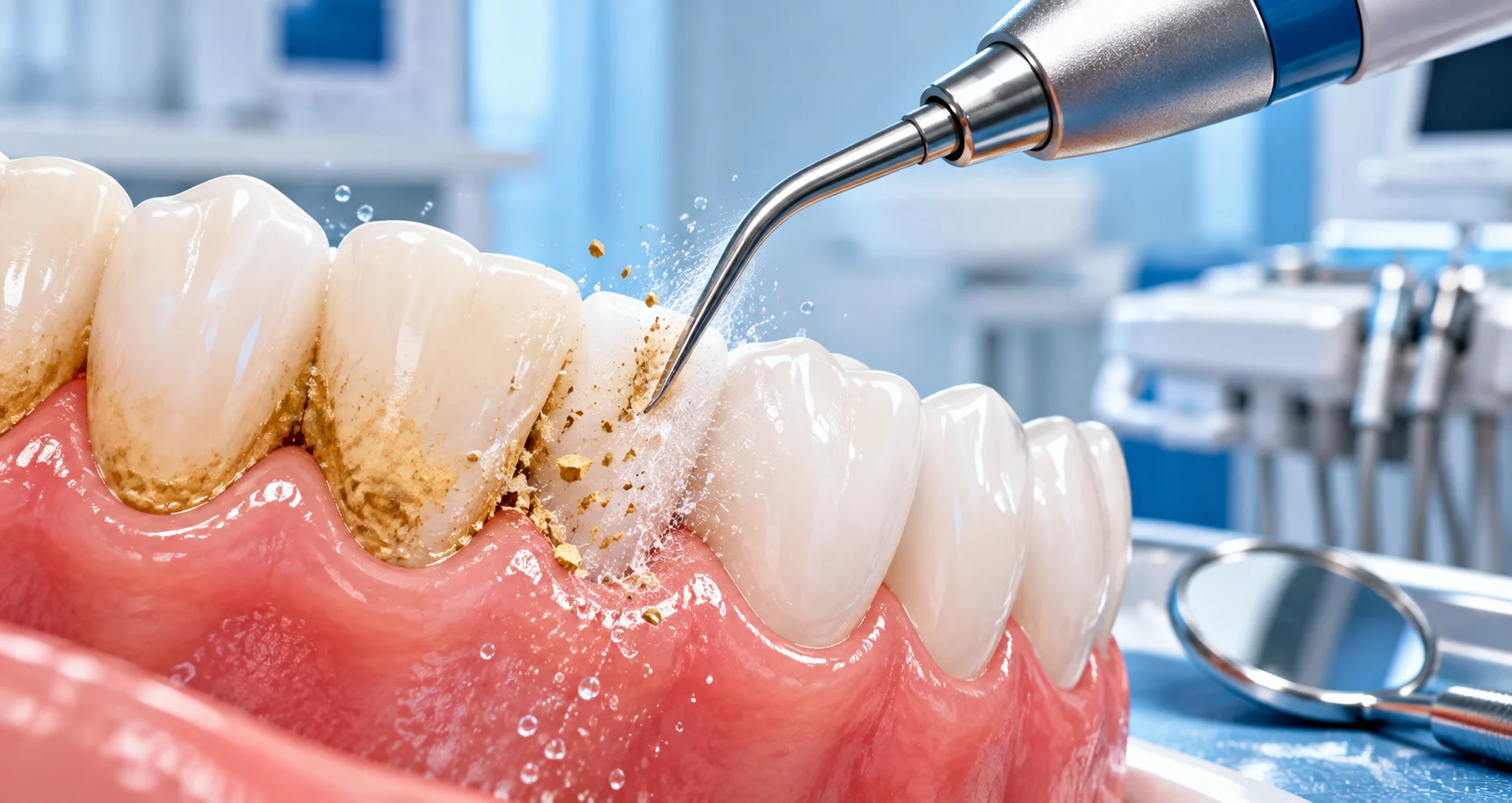
Teeth Cleaning, Scaling & Polishing
Professional cleaning removes plaque and hardened calculus that ordinary brushing can't reach, including around the gumline. Polishing smooths tooth surfaces and may help remove certain external stains.
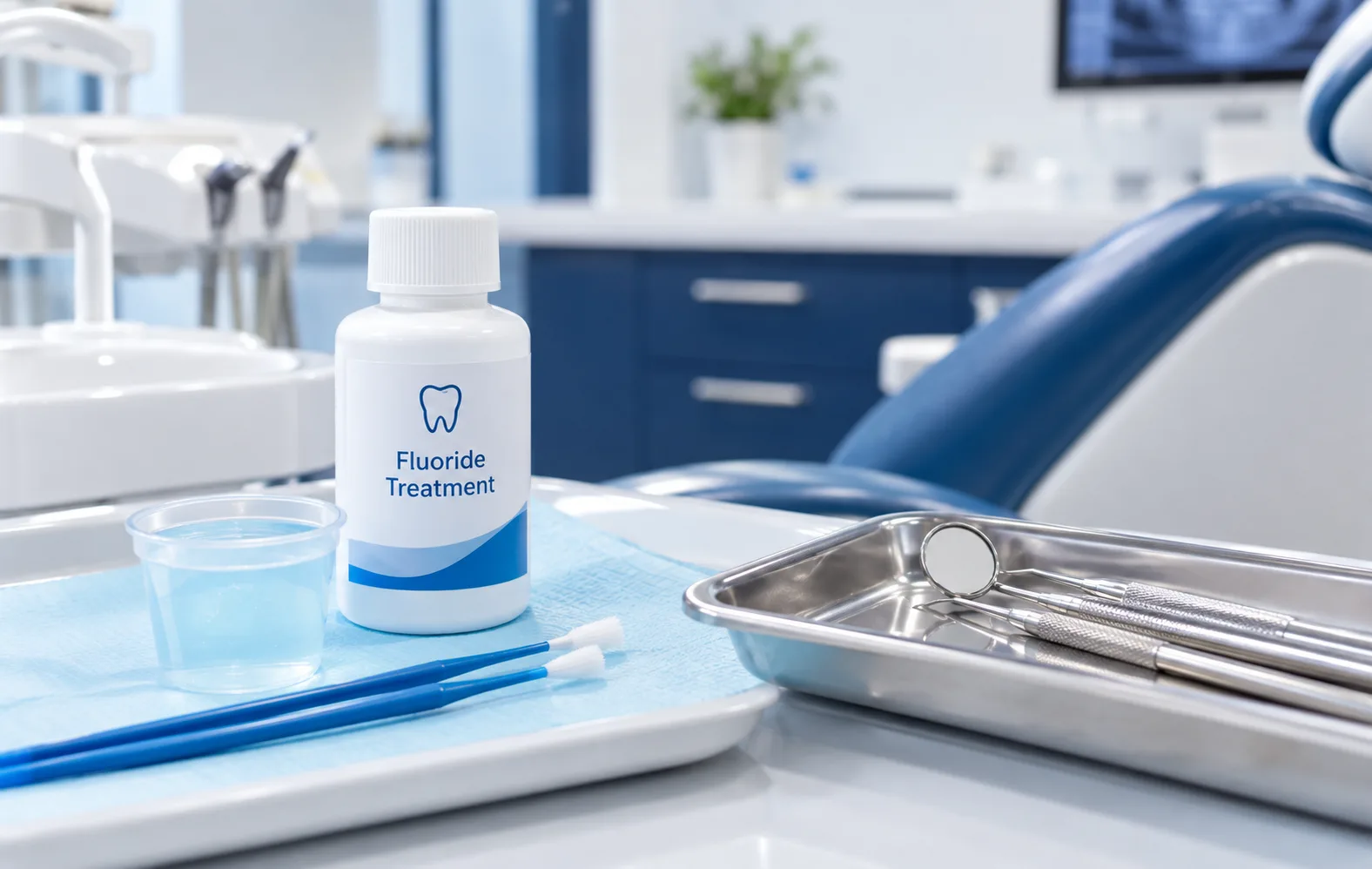
Fluoride Treatment
Fluoride helps strengthen tooth enamel and supports remineralization. Professionally applied fluoride may be considered for patients at increased risk of cavities, based on clinical judgement.
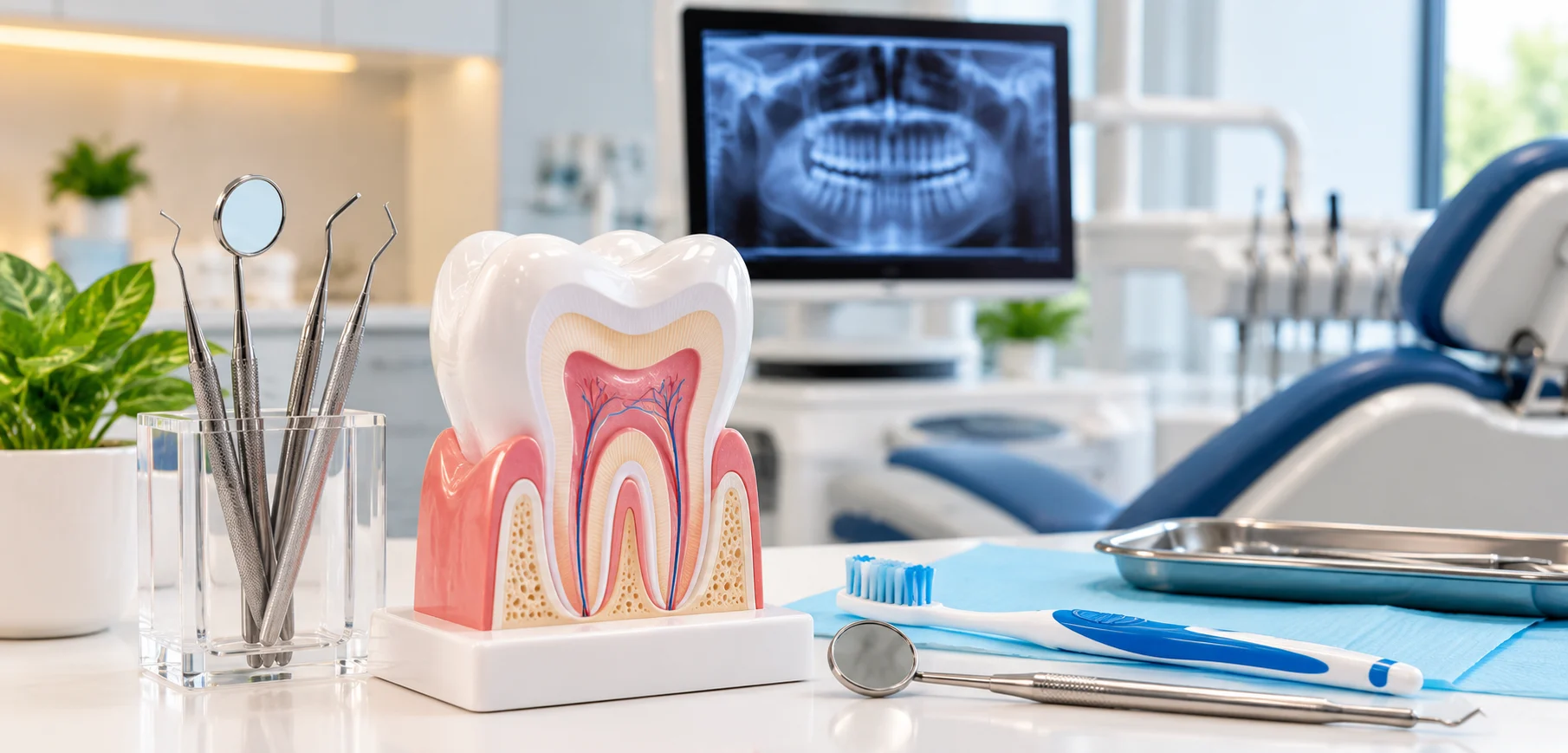
Preventive Dental Check-ups
Regular examinations let your dentist monitor your teeth and gums even when you're not experiencing pain, since many dental problems develop without obvious symptoms at first.
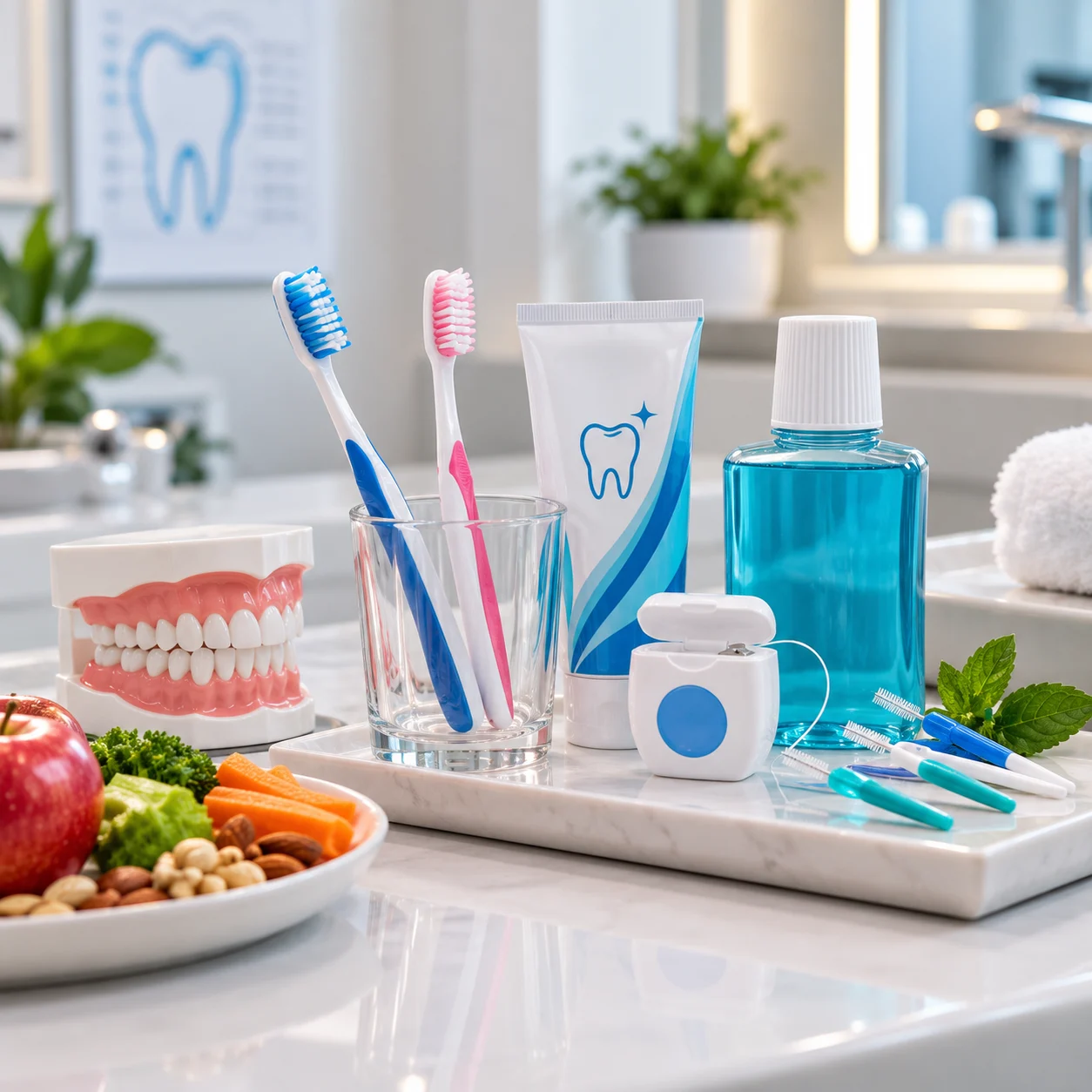
Personalized Oral Hygiene Guidance
Recommendations on brushing technique, interdental cleaning, fluoride toothpaste and diet, tailored to your individual risk factors and needs rather than a one-size-fits-all routine.
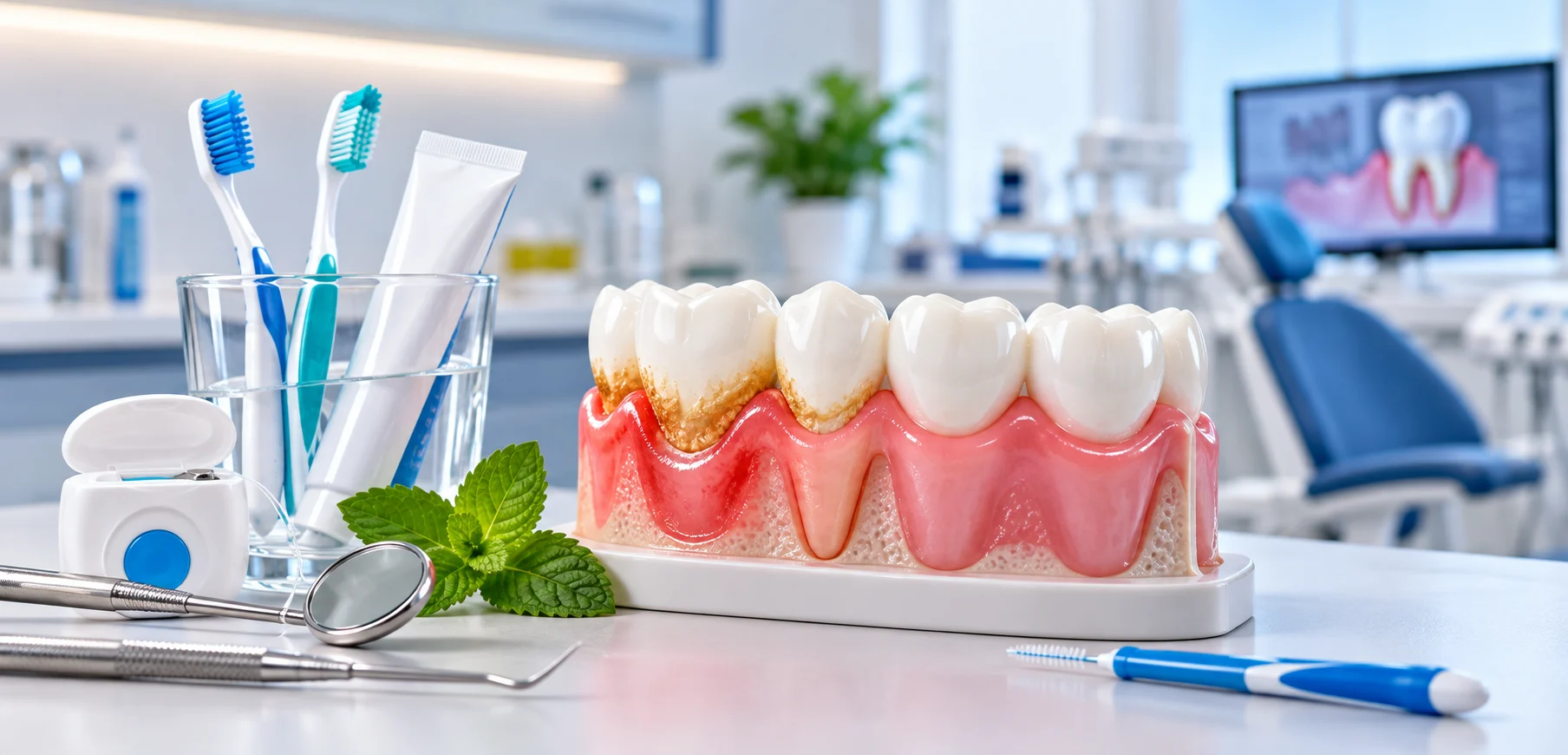
Gum Disease Prevention
Controlling plaque through daily hygiene and regular professional care can help prevent gingivitis and reduce the risk of more advanced periodontal disease.
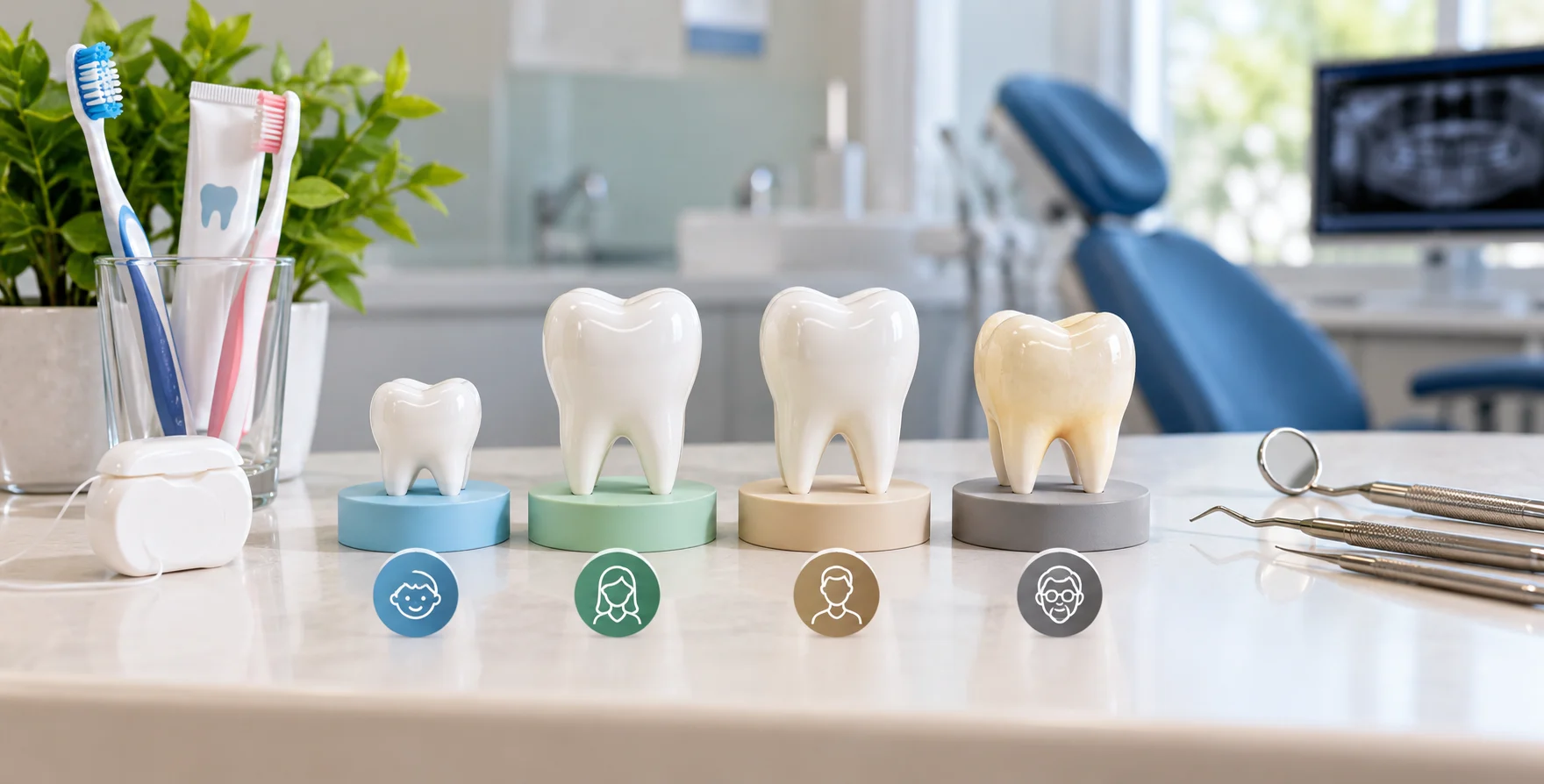
Preventive Care Across Life Stages
From children establishing habits to adults and seniors managing gum recession, dry mouth or medication effects, preventive needs are assessed individually at every stage of life.
Understanding Your Oral Health
A preventive dental examination helps identify changes in your teeth and gums early, so that appropriate preventive measures, guidance or further assessment can be recommended before problems become more extensive.
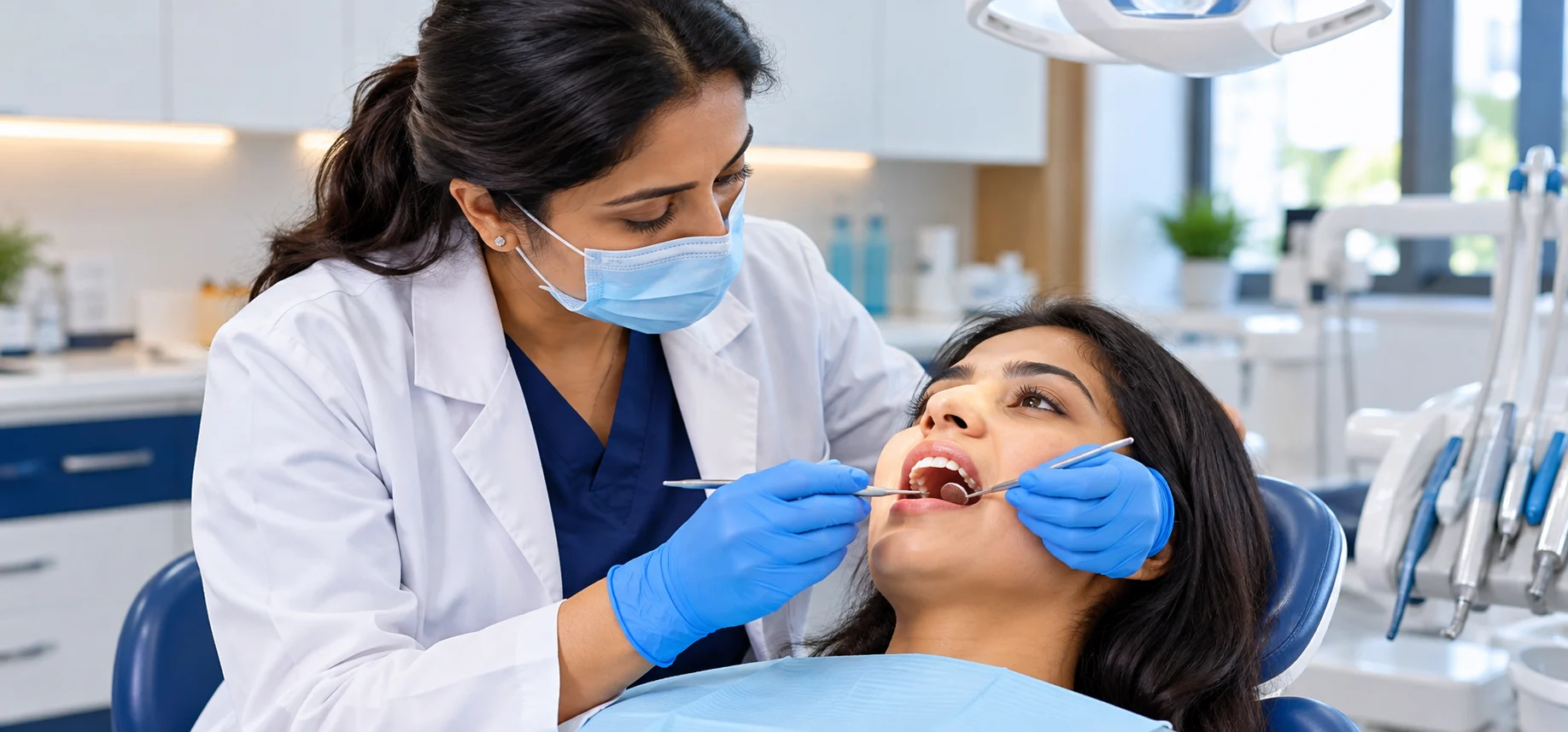
Gum-Health Assessment
Your gums are checked for redness, swelling, bleeding, recession and plaque or calculus accumulation as part of every preventive examination.

Individual Risk Assessment
Your dentist considers your age, dental history, diet, oral hygiene habits and other factors to understand your personal risk of cavities and gum disease.
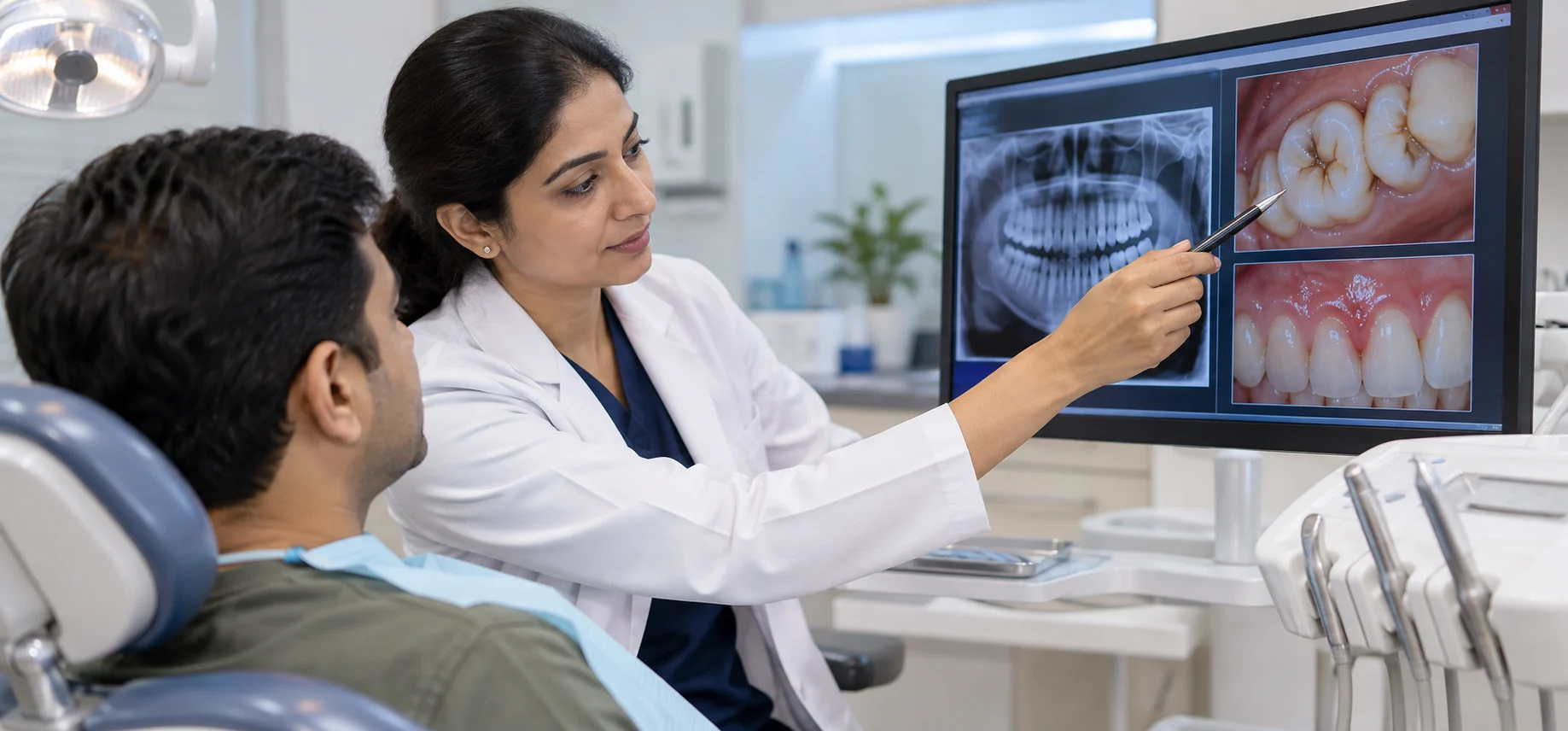
Early Detection of Changes
A preventive examination may help identify early signs of decay, gum inflammation, tooth wear or changes around existing restorations before they become more extensive.
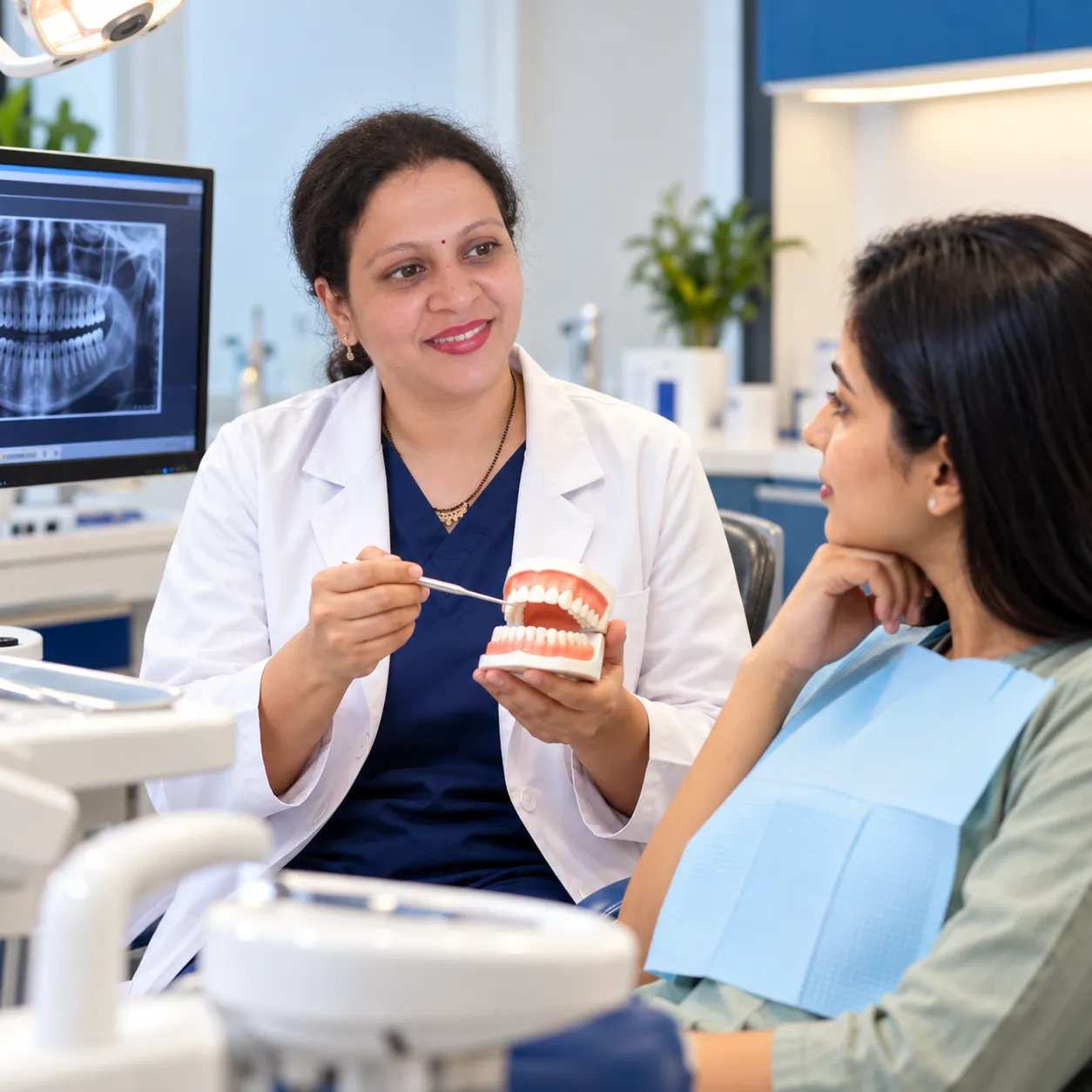
Been Avoiding the Dentist? Feeling Anxious?
Some people avoid preventive dental visits because they’re anxious about treatment, which can create a cycle where care is only sought once a problem becomes painful. Preventive appointments are a low-pressure opportunity to discuss concerns before treatment becomes necessary.
If You’ve Been Avoiding It
If You Feel Anxious
What Happens During a Preventive Dental Visit
Seven stages, from explaining your concern to planning your next preventive visit — each one explained before it happens, not after.
Discuss Your Concern
You tell the dental team about any symptoms, concerns or changes you've noticed.
You're heard first. No assumptions.
Examine Teeth & Gums
Your teeth and gums are assessed, even if you aren't experiencing any pain.
Full picture. Before we act.
Identify Your Risk
Your dentist considers factors that may increase your risk of cavities, gum disease or other problems.
Clear assessment. No surprises.
Professional Cleaning
Scaling and polishing are performed when appropriate to remove plaque and hardened calculus.
Only when it's needed.
Personalized Guidance
You receive advice on brushing, interdental cleaning, fluoride and other preventive measures suited to you.
Your routine. In plain language.
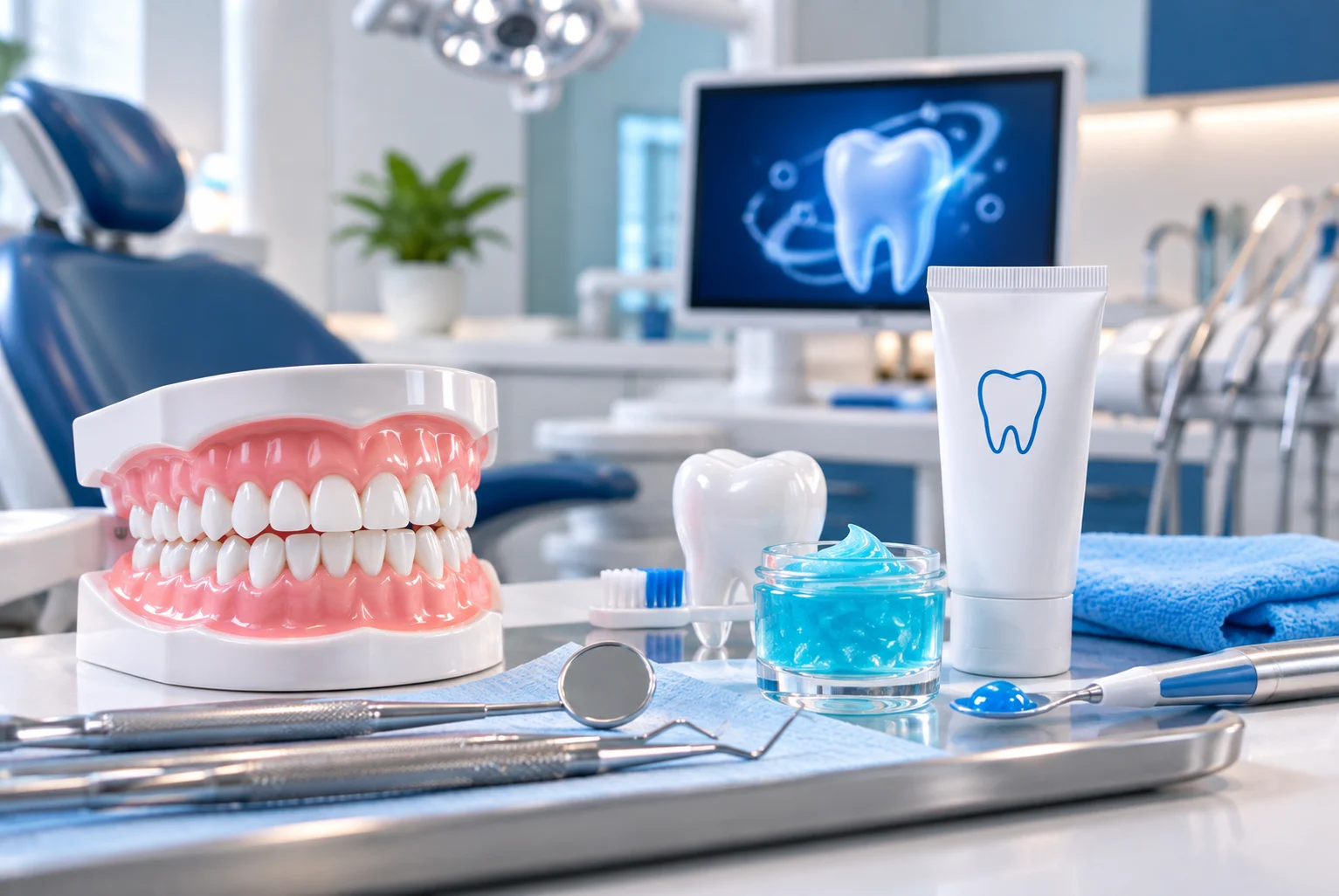
How Often Should You Get a Professional Cleaning?
There is no single cleaning schedule that is appropriate for everyone. Your dentist can recommend a frequency based on your plaque and calculus accumulation, gum health, cavity risk and other individual factors.
Do I Need Fluoride Treatment?
Not everyone requires professional fluoride treatment. A dentist may consider additional fluoride for patients at increased risk of cavities due to factors such as previous cavities, reduced saliva flow, certain medications, dietary factors or exposed root surfaces.
Don’t Wait If You Notice These Signs
Preventive care doesn’t mean waiting for a problem before acting. If you notice any of the following, it is worth scheduling an assessment sooner rather than waiting for your next routine visit.
If Your Gums Keep Bleeding
If your gums repeatedly bleed when brushing or cleaning between your teeth, consider scheduling a dental examination rather than waiting for your next routine visit.
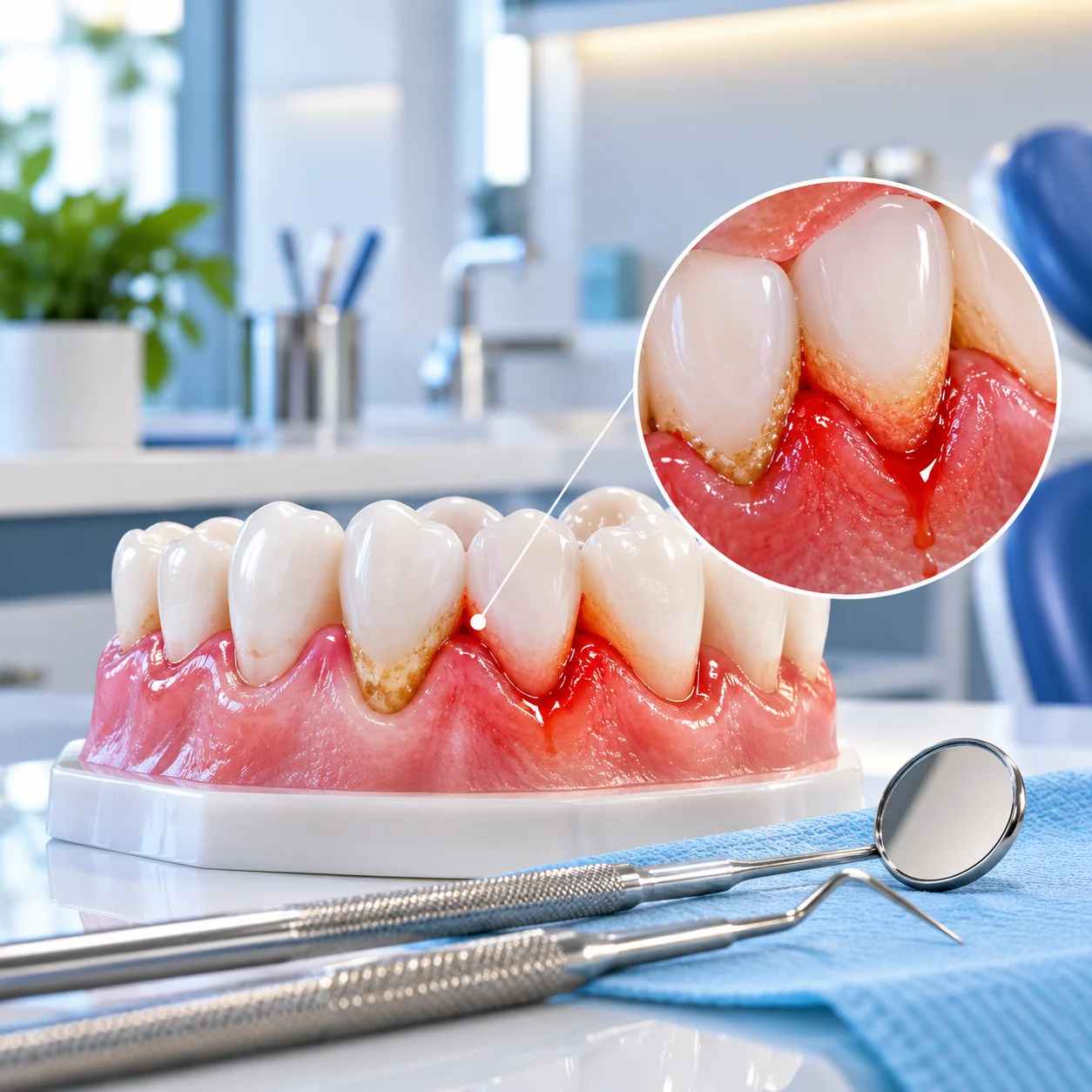
What Preventive Care Helps Protect Against
Preventive dentistry cannot guarantee that you will never develop a cavity, gum problem or another dental condition. However, regular professional assessment and good home care can help reduce the risk of common oral diseases and may allow problems to be identified before they become more extensive.
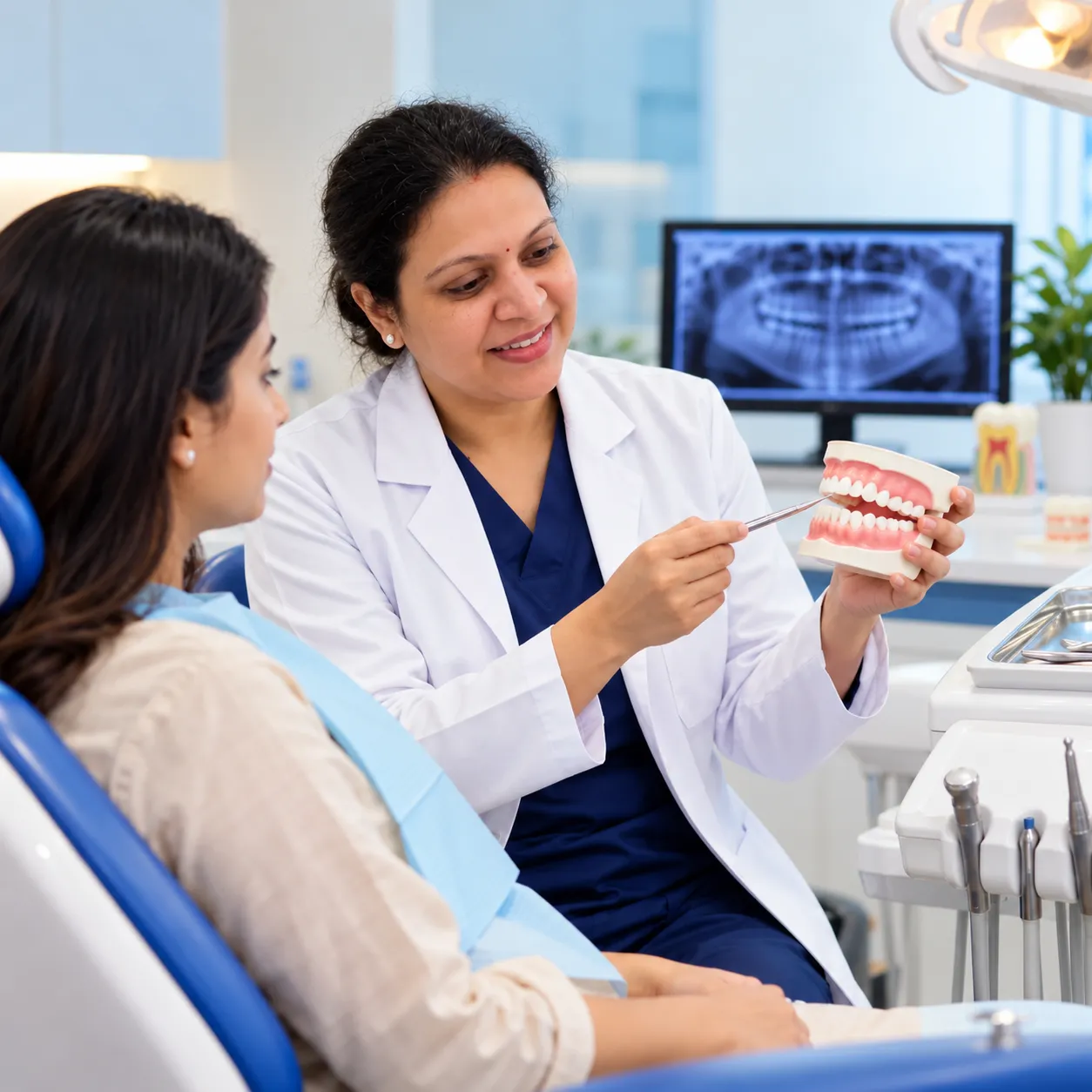
What Happens During a Preventive Dental Visit?
A preventive dental visit begins by understanding any concerns you have and assessing your current oral health. Your dentist then considers your individual risk factors before recommending cleaning, guidance or further steps.
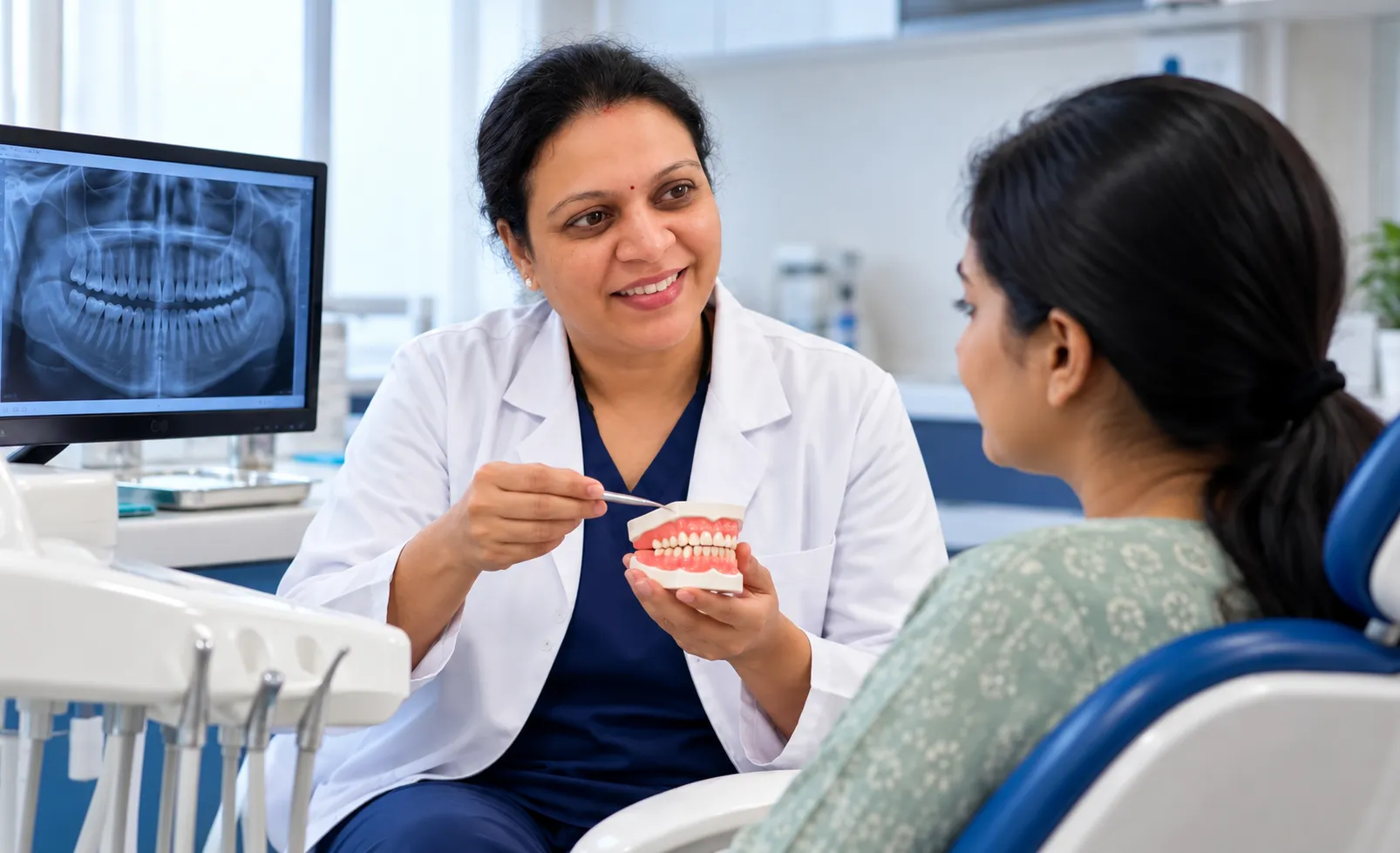
Discuss & Examine
Tell the dental team about any symptoms, concerns or changes you've noticed, and have your teeth and gums assessed.

Identify Your Risk
Your dentist considers factors such as age, diet, oral hygiene habits, dental history and gum health to understand your individual risk.
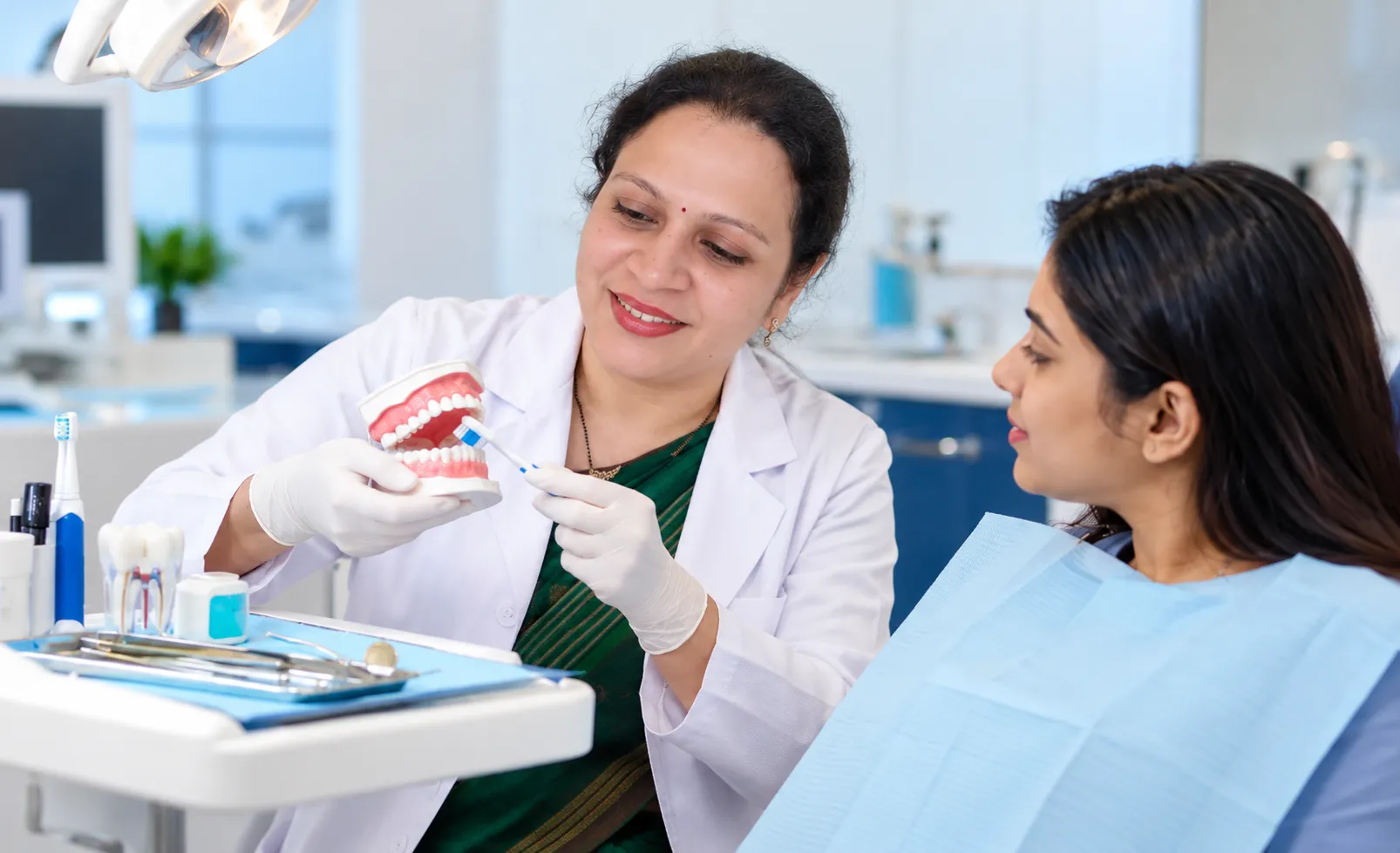
Clean & Guide
Professional cleaning is performed when appropriate, along with personalized guidance on brushing, interdental cleaning and fluoride.
Guidance & Next Steps
Your dentist can explain any findings, offer personalized preventive guidance on brushing, interdental cleaning and fluoride, and recommend appropriate follow-up or further treatment if needed.
Different Preventive Needs Call for Different Approaches
Preventive dental care can involve check-ups, professional cleaning, fluoride treatment, oral hygiene guidance or gum disease prevention. The appropriate approach depends on your oral health, risk factors and individual needs.
| Option | Suitable For | Advantages | Limitations | Treatment Time | Maintenance |
|---|---|---|---|---|---|
| Preventive Dental Check-up | Patients who want to monitor their current oral health, even without symptoms | Helps identify changes and concerns before they become more extensive | The appropriate frequency varies according to individual oral health and risk | Depends on individual assessment | Regular examinations based on individual needs |
| Teeth Cleaning, Scaling & Polishing | Plaque accumulation, calculus (tartar), surface staining or gum inflammation | Removes deposits that ordinary brushing at home can't reach | Not a substitute for daily brushing and interdental cleaning | Typically completed within a single visit | Frequency depends on individual oral health and risk |
| Fluoride Treatment | Patients at increased risk of cavities | Helps strengthen enamel and supports remineralization | Not every patient requires professional fluoride application | A short in-office application | Considered periodically based on ongoing risk |
| Personalized Oral Hygiene Guidance | Anyone who wants a routine suited to their own teeth and gums | Tailored advice on brushing, interdental cleaning and diet | Depends on consistent daily follow-through at home | Discussed as part of a preventive visit | Reviewed and adjusted at follow-up appointments |
| Gum Disease Prevention | Early signs of gum inflammation, bleeding or recession | Gingivitis can often be prevented and reversed with appropriate care | Periodontitis requires more comprehensive periodontal management | Depends on the extent of gum involvement | Ongoing plaque control and regular professional care |
Preventive Dental Check-up
- Suitable For
- Patients who want to monitor their current oral health, even without symptoms
- Advantages
- Helps identify changes and concerns before they become more extensive
- Limitations
- The appropriate frequency varies according to individual oral health and risk
- Treatment Time
- Depends on individual assessment
- Maintenance
- Regular examinations based on individual needs
Teeth Cleaning, Scaling & Polishing
- Suitable For
- Plaque accumulation, calculus (tartar), surface staining or gum inflammation
- Advantages
- Removes deposits that ordinary brushing at home can't reach
- Limitations
- Not a substitute for daily brushing and interdental cleaning
- Treatment Time
- Typically completed within a single visit
- Maintenance
- Frequency depends on individual oral health and risk
Fluoride Treatment
- Suitable For
- Patients at increased risk of cavities
- Advantages
- Helps strengthen enamel and supports remineralization
- Limitations
- Not every patient requires professional fluoride application
- Treatment Time
- A short in-office application
- Maintenance
- Considered periodically based on ongoing risk
Personalized Oral Hygiene Guidance
- Suitable For
- Anyone who wants a routine suited to their own teeth and gums
- Advantages
- Tailored advice on brushing, interdental cleaning and diet
- Limitations
- Depends on consistent daily follow-through at home
- Treatment Time
- Discussed as part of a preventive visit
- Maintenance
- Reviewed and adjusted at follow-up appointments
Gum Disease Prevention
- Suitable For
- Early signs of gum inflammation, bleeding or recession
- Advantages
- Gingivitis can often be prevented and reversed with appropriate care
- Limitations
- Periodontitis requires more comprehensive periodontal management
- Treatment Time
- Depends on the extent of gum involvement
- Maintenance
- Ongoing plaque control and regular professional care
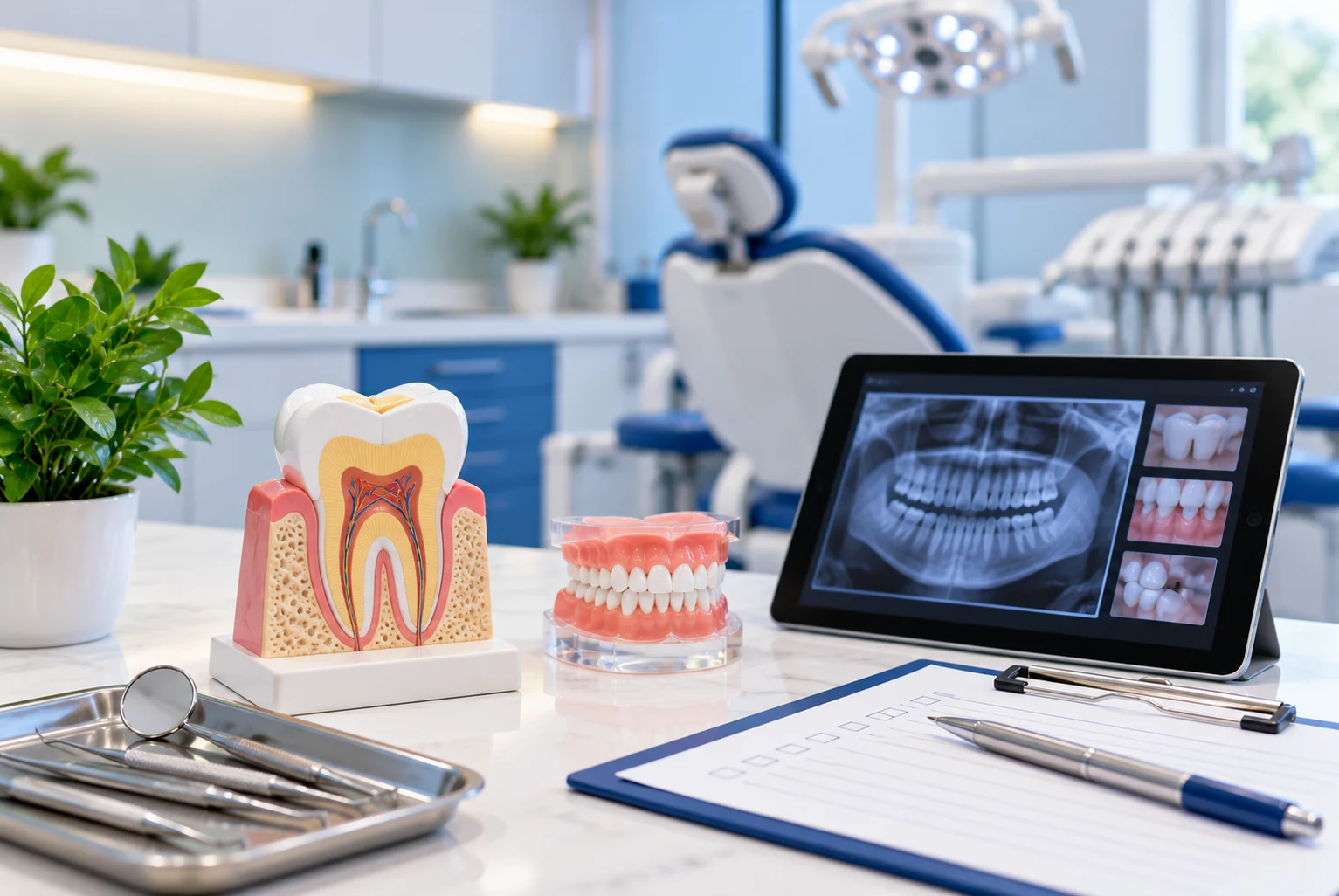
A Personalized Approach to Preventive Dental Care
Preventive care does not mean that every patient needs the same treatment at every visit. Your preventive needs may depend on factors such as your age, dental history, cavity risk, gum health, oral hygiene habits, diet and tobacco use. The aim is to understand your individual risk and provide appropriate advice rather than applying the same routine to everyone.
Factors We Consider
- • Age
- • Oral hygiene
- • Previous dental treatment
- • Existing restorations
- • Dental history
- • Diet
Individual Clinical Factors
- • Medical conditions
- • Medications
- • Risk of tooth decay
- • Gum health
- • Tobacco use
- • Pregnancy or life-stage factors
Your treatment should be based on your individual needs. At Dr. Kashmira Jathar Dental Clinic, the aim is to help patients understand their individual risk and the appropriate preventive measures based on their assessment.
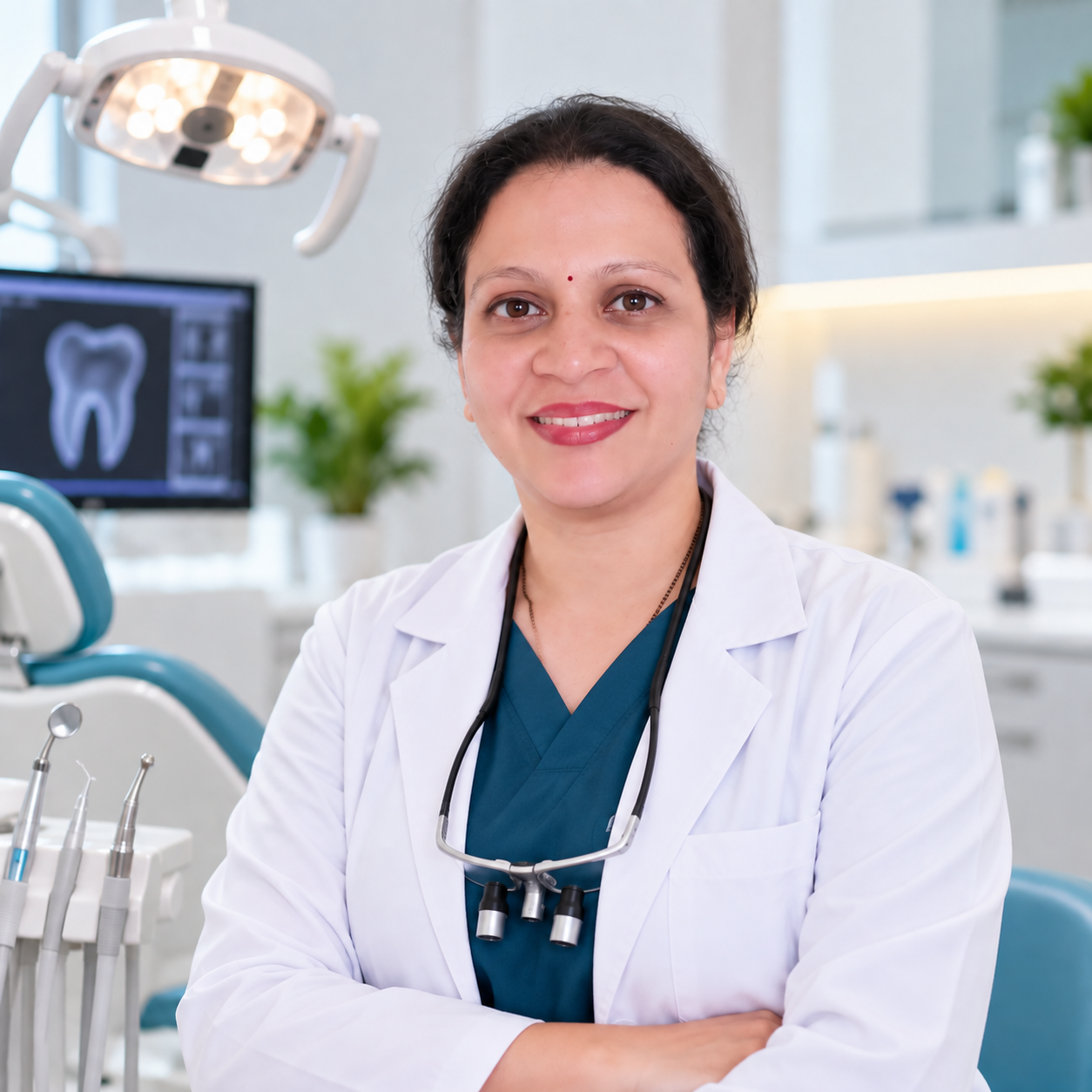
Meet Dr. Kashmira Jathar, BDS
Dr. Kashmira Jathar is a BDS-qualified dentist with more than 20 years of dental practice experience, registered with the Maharashtra State Dental Council (Reg. No. A-14093 M, 2007). She is a member of the Indian Dental Association and the Saturday Club.
She provides general and preventive dental care with an emphasis on understanding each patient’s individual oral-health needs and providing appropriate guidance and treatment.
Preventive Dental Care FAQs
Preventive dentistry focuses on maintaining oral health and reducing the risk of common dental problems through professional examinations, appropriate cleaning, fluoride care, personalized oral hygiene guidance and healthy daily habits.
Visiting the Clinic
Elegance Smile Studio is located in Pimple Saudagar, Pune, serving patients across Pimpri-Chinchwad and the surrounding areas.
Related Services

Book a Preventive Dental Appointment
Whether you’re due for a check-up, want professional cleaning, have concerns about your gums, or want personalized oral hygiene advice, the first step is a preventive assessment. Call or WhatsApp to arrange an appointment with Dr. Kashmira Jathar, BDS.
Sources & Review
Guidance on oral hygiene and professional fluoride use is informed by American Dental Association recommendations, and information on preventable oral diseases is informed by CDC guidance on the prevention of cavities and periodontal disease. General information on this page describes typical preventive dental practice, not a guarantee of findings or treatment for any individual case. Page content reviewed by Dr. Kashmira Jathar, BDS.