

Gum & Periodontal Treatment
in Pimple Saudagar, Pune
Treat bleeding, swollen or infected gums and periodontal problems with diagnosis-driven care including professional deep cleaning, scaling and root planing, periodontal therapy and gum surgery when clinically indicated.
Chat on WhatsApp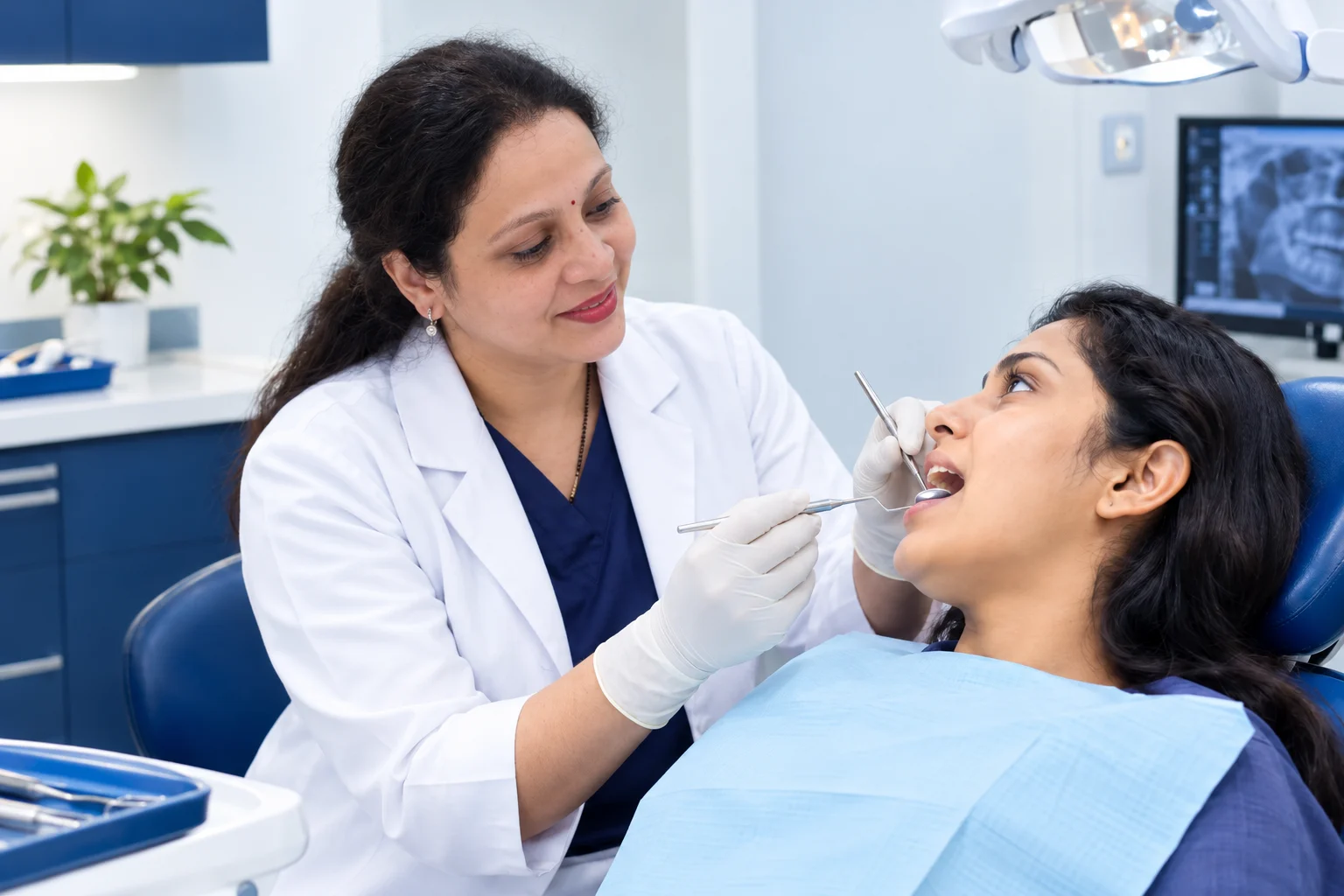
Practice
Your Gum Treatment Starts
With the Right Diagnosis
42%
U.S. Adults 30+ with Periodontitis
4 weeks
Optimal Effects of Nonsurgical Therapy
3–6 months
Common Periodontal Maintenance Interval
“The right periodontal treatment depends on your gum condition, pocket depth, bleeding, bone support, tooth mobility, plaque and calculus, medical risk factors and ability to maintain effective daily oral hygiene.
– Dr. Kashmira Jathar Dental Clinic
Which Gum Treatment Do You Need?
Signs You May Need a Periodontal Assessment
You don’t need to decide which periodontal treatment is right for you before booking. An individual assessment helps determine the appropriate option.
 The Problem
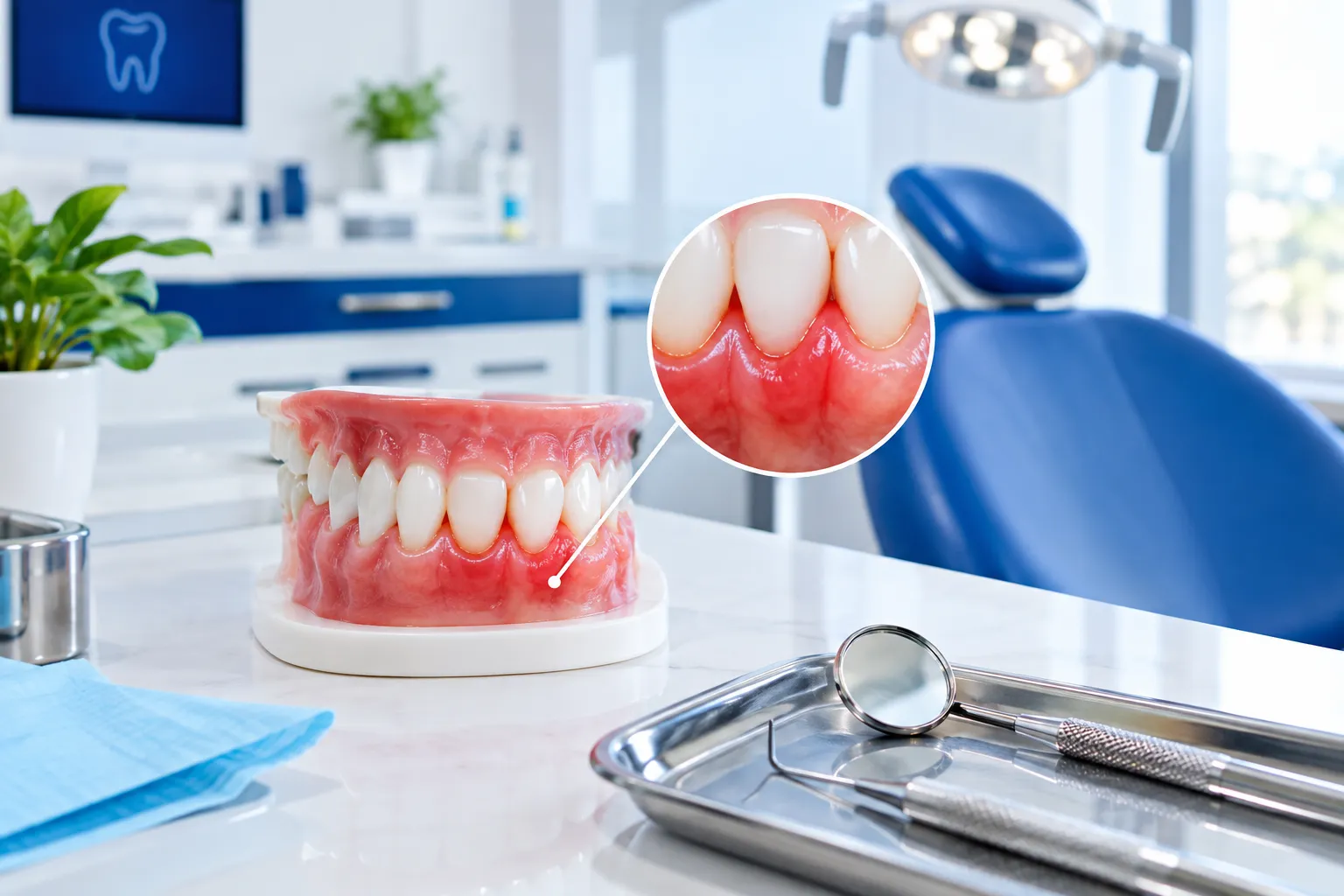
Your gums bleed when brushing
A periodontal examination
The gums, teeth, plaque and calculus, periodontal pockets, attachment, tooth mobility and other findings can be assessed to determine the appropriate treatment.

Bleeding gums can be associated with gingivitis or periodontitis and should be assessed rather than ignored.
 The Problem
Your gums are swollen or tender
Gum inflammation assessment
The cause of inflammation is assessed, including plaque and calculus, periodontal pocketing, local irritation and other relevant oral findings.

Red, swollen or tender gums may indicate inflammation. Persistent swelling can require evaluation for gum disease or another local cause.
 The Problem
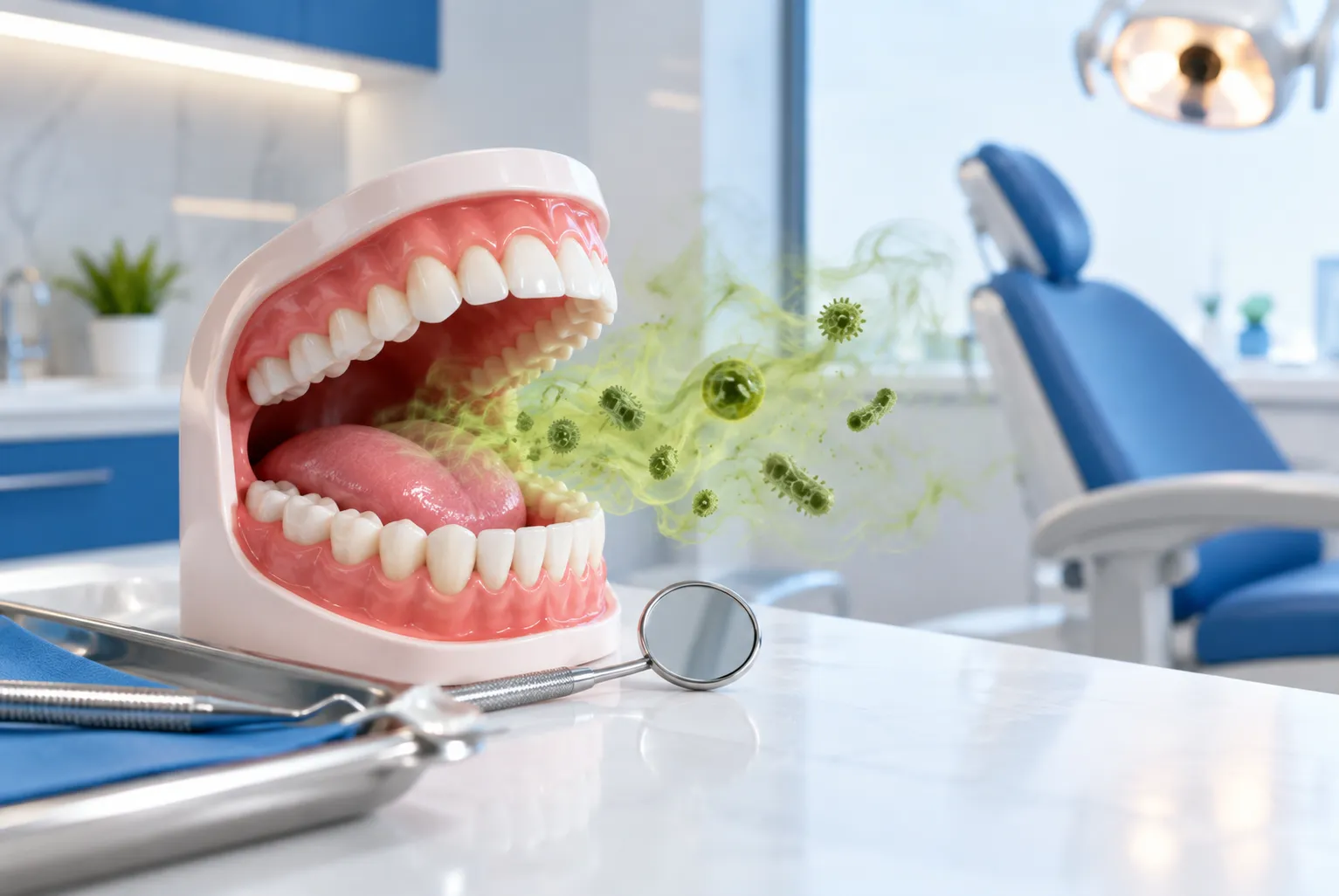
You have persistent bad breath
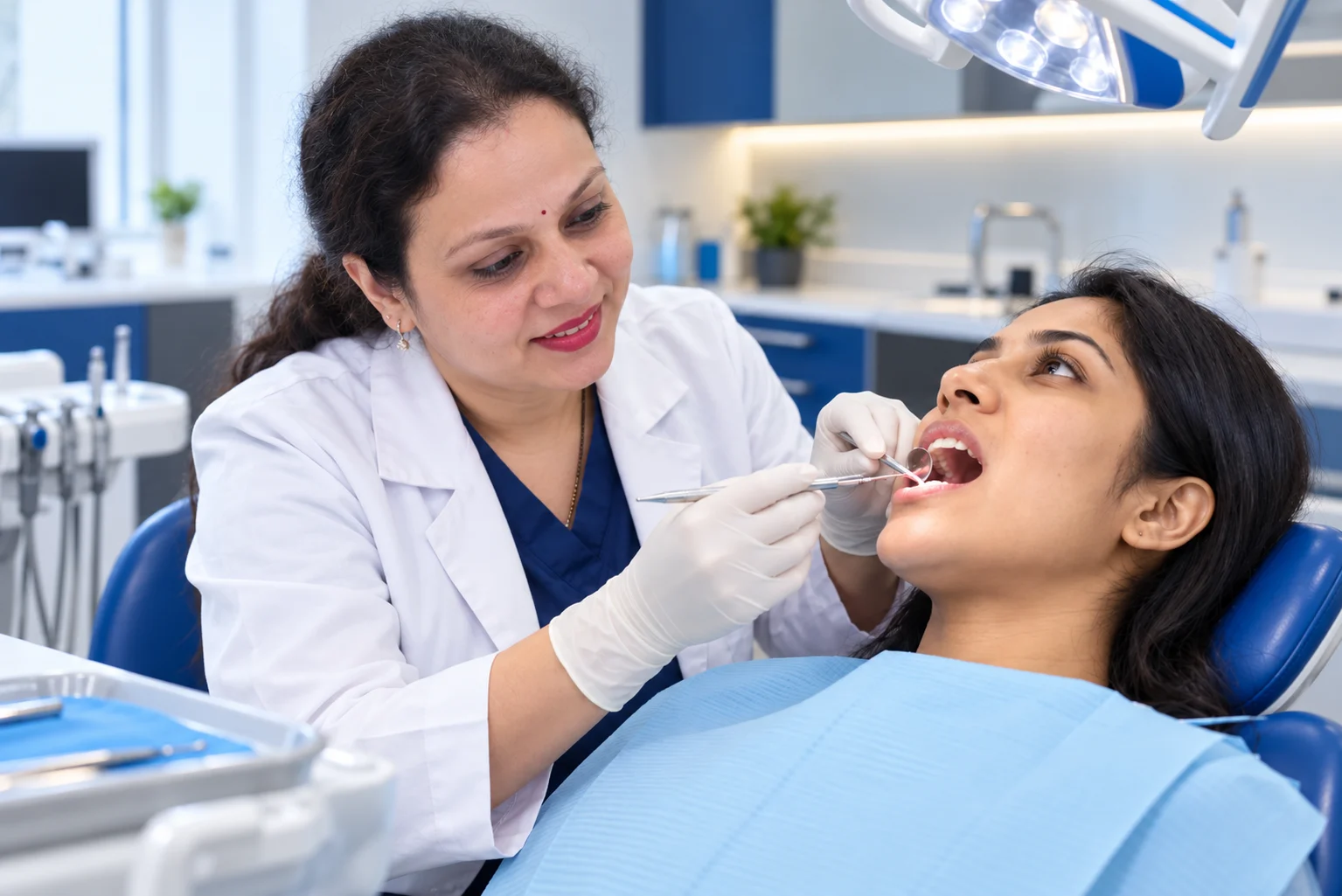
A gum and periodontal assessment
A clinical examination can help identify gum inflammation, periodontal pockets, plaque and calculus and other possible oral causes.
Persistent bad breath can be associated with gum inflammation, periodontal disease, local infection or other oral conditions.
 The Problem
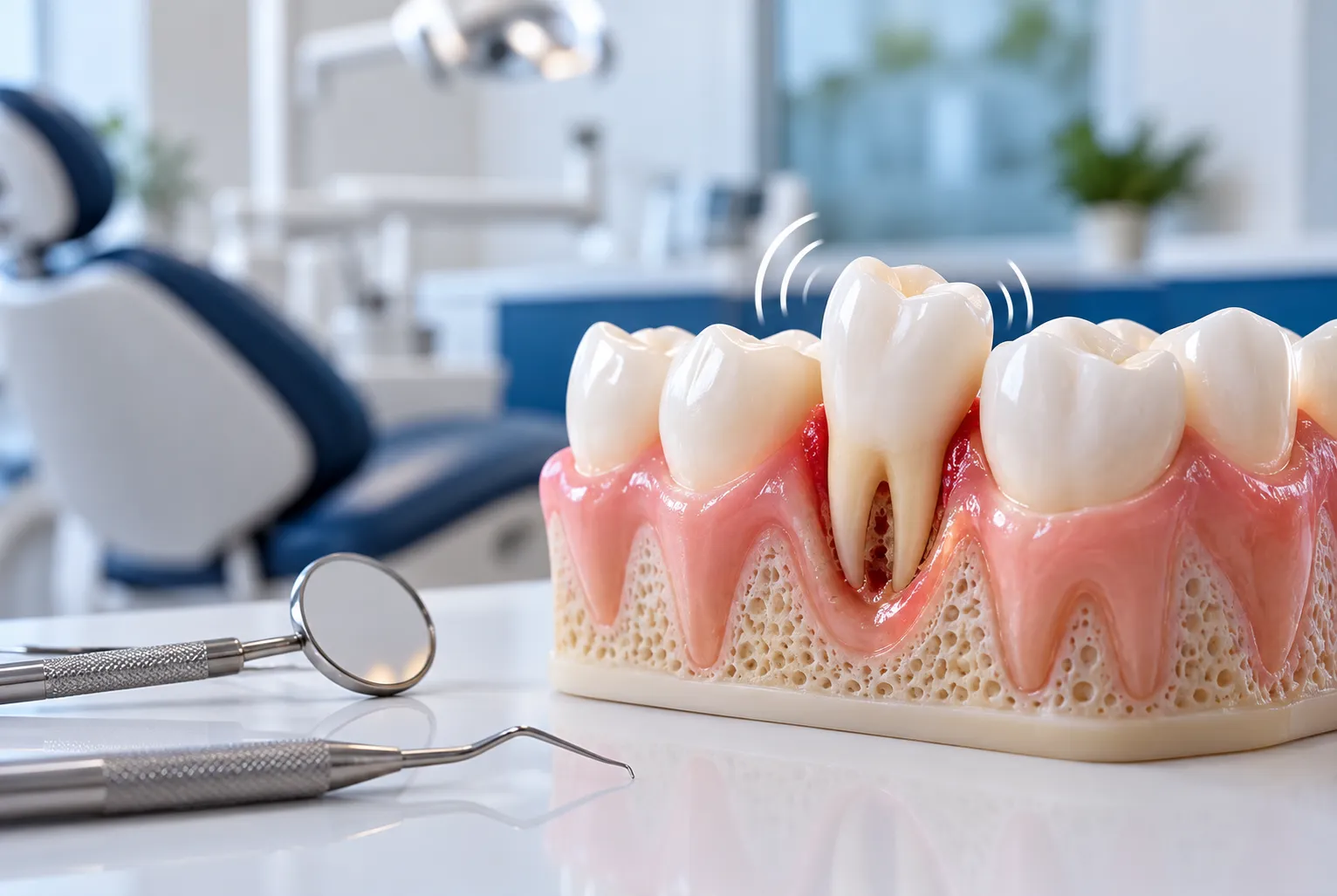
Your teeth feel loose
Assessment of gum and bone support
The examination considers periodontal pocketing, attachment, gum recession, bone support, mobility and inflammation before deciding on treatment.

Tooth mobility can occur when periodontal tissues and supporting bone are affected. Loose teeth should be evaluated promptly.
What Is Gum & Periodontal Treatment?
Gum & Periodontal Treatment focuses on controlling plaque and calculus, reducing inflammation, preserving supporting tissues and maintaining an oral environment that can be kept clean. Treatment depends on disease severity, pocket depth, attachment and bone support, recession, smoking, diabetes, oral hygiene and other clinical findings.
Periodontal Planning Can Consider
The right periodontal treatment depends on your anatomy, number of bleeding, swollen or infected gums, teeth and bite, bone and gum health, bite, expectations and long-term maintenance needs.
Periodontal Treatment Options
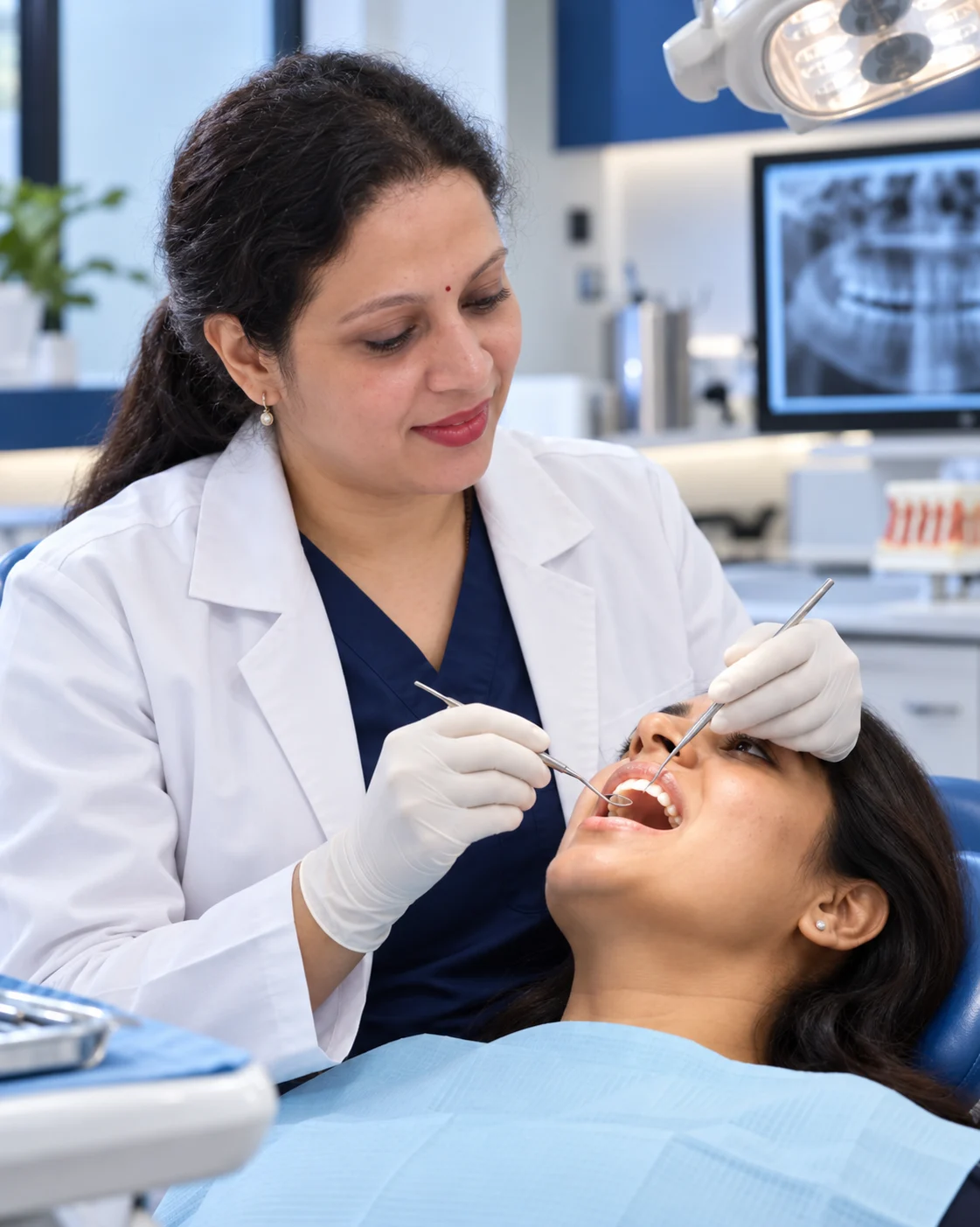
Periodontal treatment options are selected according to gum inflammation, periodontal pocketing, attachment and bone support, recession, tooth mobility, plaque and calculus and relevant medical or lifestyle factors.
Professional Gum Cleaning
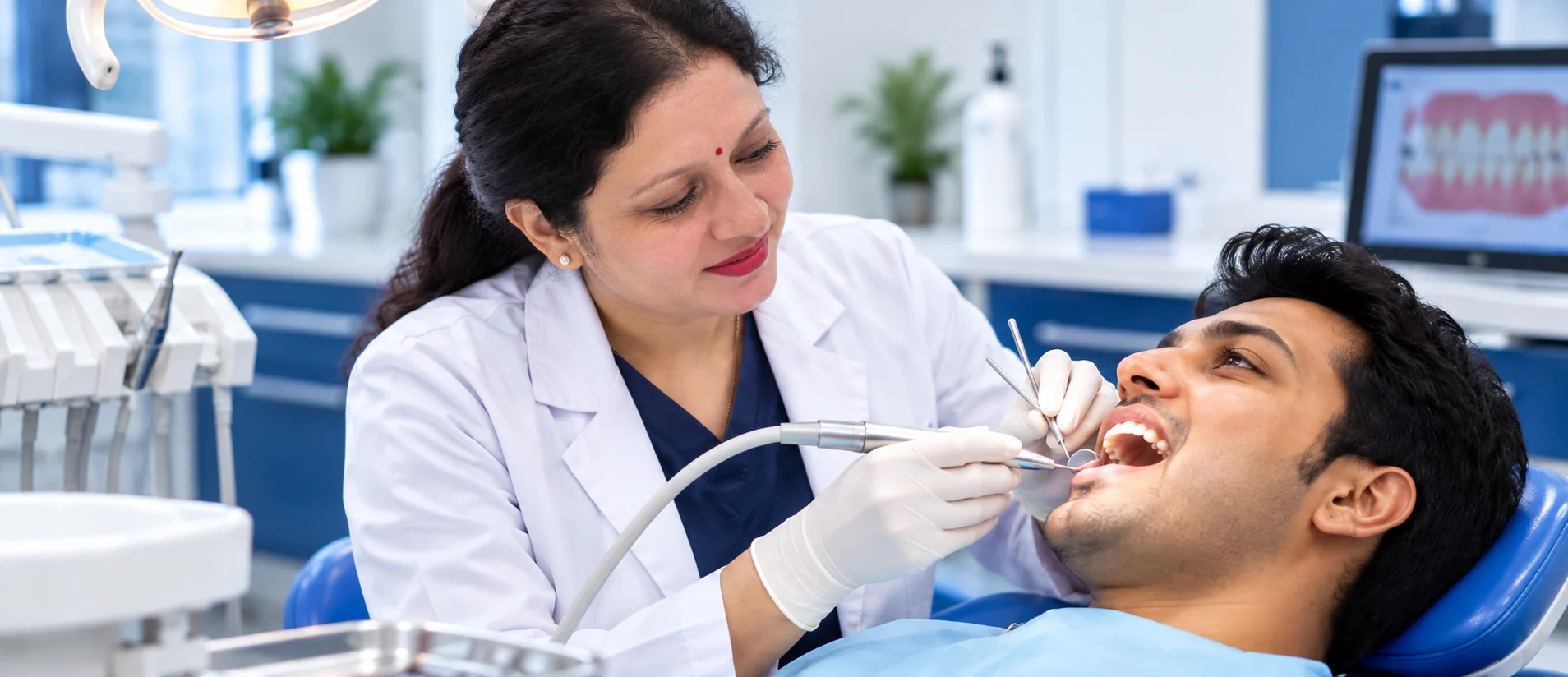
Professional cleaning helps control plaque and calculus and is used when routine home care alone is not enough.

Scaling & Root Planing
Scaling and root planing is a primary nonsurgical treatment for many periodontitis patients and involves cleaning below the gumline when indicated.

Periodontal Therapy
Periodontal therapy aims to control biofilm and calculus, reduce inflammation, preserve supporting tissues and improve maintainable oral hygiene.
Gum Surgery
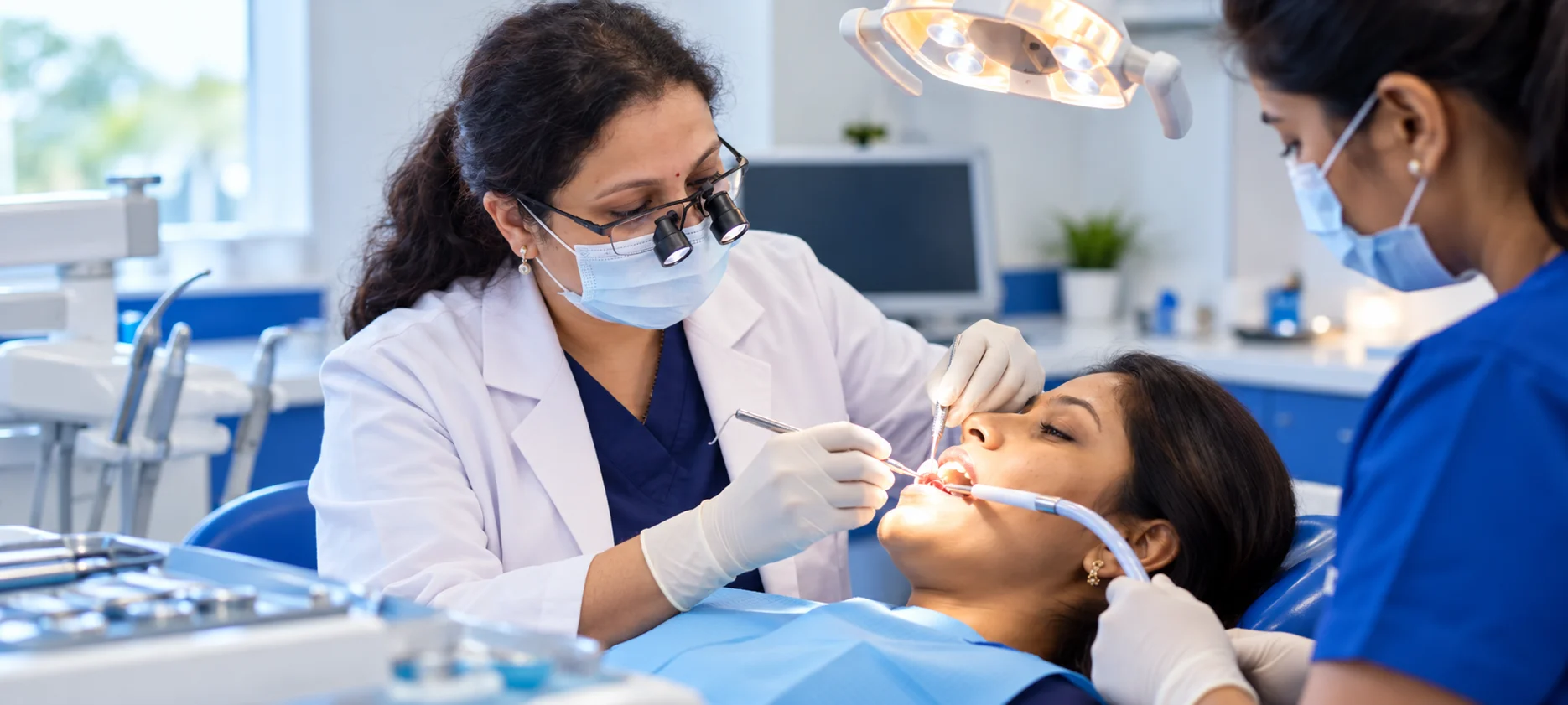
Gum surgery may be considered when deep pockets remain after nonsurgical treatment, root surfaces cannot be adequately cleaned or specific periodontal defects require surgical management.

Regenerative Procedures
Selected periodontal defects may be considered for regenerative procedures such as bone grafting or guided tissue regeneration when clinically appropriate.

Periodontal Maintenance
Periodontitis is chronic and ongoing maintenance is often required. Recall intervals are individualized and commonly fall around every 3–6 months.
Planning the Right Periodontal Treatment for You
Periodontal planning may include clinical examination, periodontal assessment, X-rays when indicated, CBCT when 3D information is needed, intraoral scanning or impressions, occlusal analysis, photographs and assessment of teeth and bite and bone and gum health.

Periodontal Examination
Clinical assessment can include periodontal pocket measurements, attachment assessment, plaque and calculus evaluation, gum recession and tooth mobility.
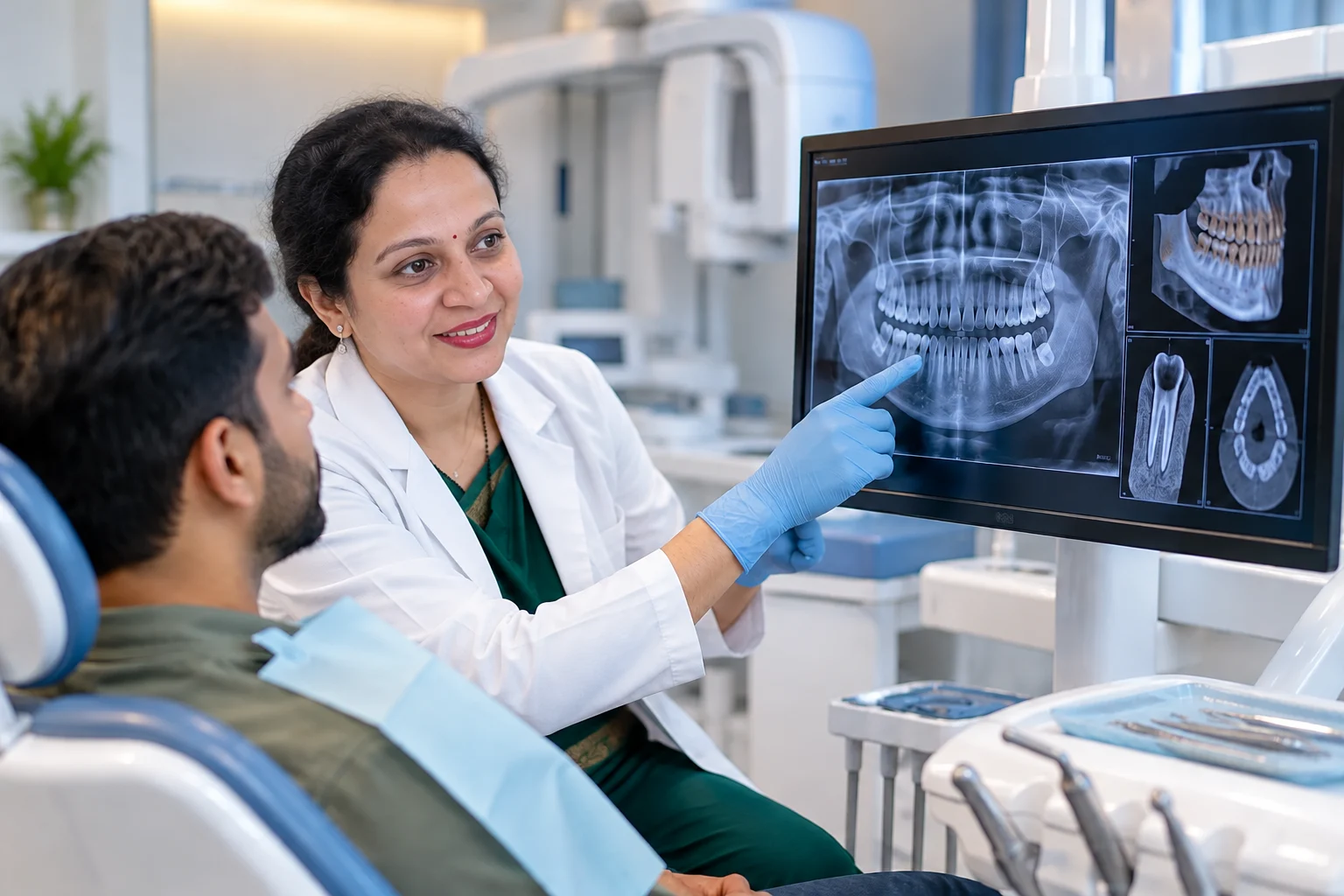
Dental X-Rays When Indicated
Dental X-rays may be used when clinically indicated to evaluate supporting bone and other findings that cannot be assessed fully by visual examination alone.

Ultrasonic & Biofilm Management
Ultrasonic scalers such as EMS PIEZON or Cavitron and AIRFLOW/Guided Biofilm Therapy may be used according to the clinical treatment plan. AIRFLOW does not replace SRP for established periodontitis.
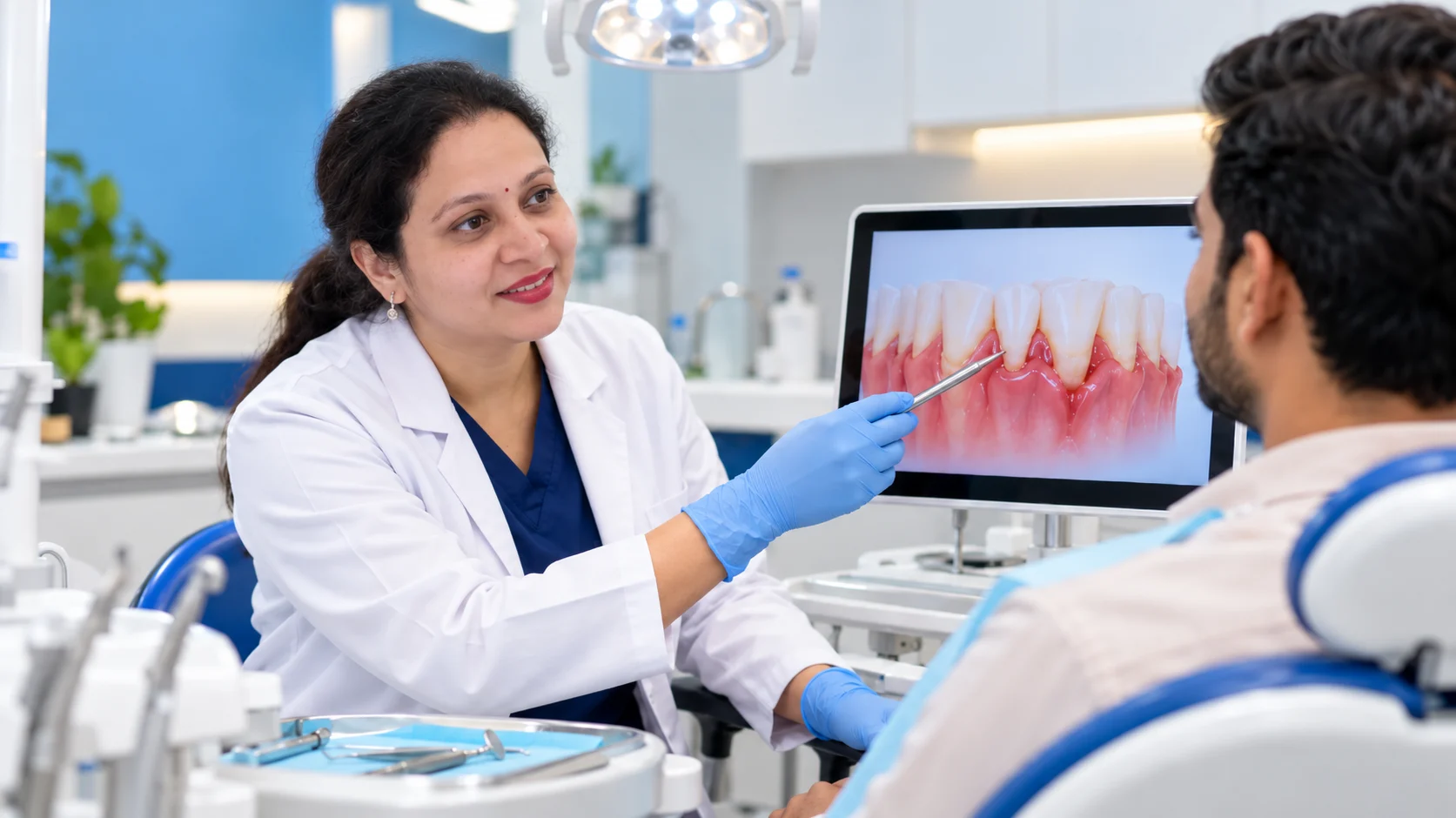
Worried About Gum & Periodontal Treatment or Gum Disease?
Choosing a periodontal treatment can feel difficult when you are unsure about comfort, appearance, retention or the differences between treatment options. An assessment can help you understand the choices available for your individual situation.
If You’re Unsure About Gum & Periodontal Treatment
If You Have Questions
What Happens During a Periodontal Assessment?
Seven stages, from discussing your bleeding, swollen or infected gums to planning the appropriate periodontal treatment and long-term maintenance.
Periodontal Consultation
Discuss bleeding, swelling, bad breath, loose teeth, previous treatment and relevant risk factors.
Your concerns.Understood first.
Gum Examination
The gums, teeth, plaque and calculus, periodontal pockets, attachment, recession and tooth mobility are assessed.
Full assessment.Before treatment.
Diagnostic Records
Dental X-rays may be recommended when clinically indicated to assess supporting bone and other findings.
Relevant records.Only when needed.
Diagnosis & Treatment Planning
Findings and risk factors are used to determine the appropriate periodontal treatment and maintenance approach.
Clear diagnosis.Individual plan.
Initial Periodontal Treatment
Treatment may include professional cleaning, scaling and root planing and improved home-care measures when indicated.
Control inflammation.Professional care.

When Should You Consider Periodontal Treatment?
Bleeding, swelling, persistent bad breath or loose teeth can indicate a need for periodontal assessment. A gum examination helps determine whether professional cleaning, scaling and root planing, periodontal therapy or another treatment is appropriate.
Will I Need X-Rays or Other Diagnostic Records?
Depending on your case, assessment may include X-rays, cephalometric analysis, CBCT when 3D information is clinically justified, intraoral scanning, digital models and photographs.
Gum and Periodontal Concerns That May Need Attention
Looseness, sore spots, worn gum health, fractures, changes in bite and altered fit can affect periodontal treatment comfort and function and may need assessment.
When Urgent Medical Care Is Needed
If you have severe swelling that affects breathing or swallowing, seek immediate medical attention. These symptoms require urgent medical care rather than waiting for a routine periodontal treatment appointment.

Gum and Periodontal Concerns That May Need Assessment
Periodontal disease can progress when inflammation and plaque are not adequately controlled. Assessment helps determine whether additional nonsurgical treatment, periodontal surgery or ongoing maintenance is appropriate.

What Happens During a Periodontal Assessment??
Periodontal treatment begins with an individual assessment of your bleeding, swollen or infected gums, teeth and bite, gums, bone, bite and expectations. The appropriate periodontal treatment option and follow-up needs are then discussed.

Periodontal Consultation
Discuss bleeding, swelling, bad breath, loose teeth, previous gum treatment, smoking, diabetes or other relevant medical factors.

Gum & Periodontal Assessment
The gums, teeth, plaque and calculus, periodontal pockets, attachment, recession, mobility and bone support are assessed. X-rays may be taken when indicated.

Treatment & Maintenance Plan
The plan may include professional cleaning, scaling and root planing, periodontal therapy, surgery when indicated and individualized periodontal maintenance.
Assessment, Fit & Next Steps
If additional information is needed, X-rays, CBCT, intraoral scanning, impressions, photographs or occlusal records may be used. The findings help determine the appropriate periodontal treatment design and follow-up plan.
Different Periodontal Conditions May Need Different Approaches
Gum disease is managed according to the periodontal diagnosis and the condition of the supporting tissues. Options may include nonsurgical treatment, periodontal surgery when indicated and ongoing maintenance.
| Option | Suitable For | Advantages | Limitations | Treatment Time | Maintenance |
|---|---|---|---|---|---|
| Routine Cleaning | Patients needing routine plaque and stain control when periodontal disease is not requiring subgingival treatment | Supports oral hygiene and helps control plaque and calculus above the gumline | Does not replace periodontal treatment when established periodontitis or deep pocketing is present | Usually completed during a routine cleaning visit | Regular home care and professional cleaning when indicated |
| Scaling & Root Planing | Patients with periodontitis or periodontal pocketing requiring nonsurgical subgingival treatment | Cleans below the gumline and is a primary nonsurgical treatment for many periodontitis patients | May require multiple visits; tenderness or sensitivity can occur | Depends on disease extent and number of areas requiring treatment | Reassessment followed by individualized periodontal maintenance |
| AIRFLOW / Guided Biofilm Therapy | Selected patients for biofilm and stain management as part of professional periodontal care | Can assist with biofilm and stain removal and may improve professional cleaning comfort | Does not replace scaling and root planing for established periodontitis | Depends on the clinical cleaning plan | Used as an adjunct according to individual needs |
| Periodontal Surgery | Selected patients with persistent deep pockets, inaccessible root surfaces or periodontal defects after appropriate nonsurgical treatment | Can improve access for cleaning and may allow selected regenerative or corrective procedures | Surgical treatment is not automatically required for every gum disease case | Depends on the procedure, number of sites and healing | Post-treatment review and ongoing periodontal maintenance |
| Periodontal Maintenance | Patients with current or previous periodontal disease who need ongoing monitoring and professional care | Helps monitor inflammation, pocketing, plaque/calculus and changes in periodontal support | Requires continued appointments and effective daily home care | Commonly individualized around a 3–6 month interval | Regular periodontal review, professional cleaning and home-care reinforcement |
Routine Cleaning
- Suitable For
- Patients needing routine plaque and stain control when periodontal disease is not requiring subgingival treatment
- Advantages
- Supports oral hygiene and helps control plaque and calculus above the gumline
- Limitations
- Does not replace periodontal treatment when established periodontitis or deep pocketing is present
- Treatment Time
- Usually completed during a routine cleaning visit
- Maintenance
- Regular home care and professional cleaning when indicated
Scaling & Root Planing
- Suitable For
- Patients with periodontitis or periodontal pocketing requiring nonsurgical subgingival treatment
- Advantages
- Cleans below the gumline and is a primary nonsurgical treatment for many periodontitis patients
- Limitations
- May require multiple visits; tenderness or sensitivity can occur
- Treatment Time
- Depends on disease extent and number of areas requiring treatment
- Maintenance
- Reassessment followed by individualized periodontal maintenance
AIRFLOW / Guided Biofilm Therapy
- Suitable For
- Selected patients for biofilm and stain management as part of professional periodontal care
- Advantages
- Can assist with biofilm and stain removal and may improve professional cleaning comfort
- Limitations
- Does not replace scaling and root planing for established periodontitis
- Treatment Time
- Depends on the clinical cleaning plan
- Maintenance
- Used as an adjunct according to individual needs
Periodontal Surgery
- Suitable For
- Selected patients with persistent deep pockets, inaccessible root surfaces or periodontal defects after appropriate nonsurgical treatment
- Advantages
- Can improve access for cleaning and may allow selected regenerative or corrective procedures
- Limitations
- Surgical treatment is not automatically required for every gum disease case
- Treatment Time
- Depends on the procedure, number of sites and healing
- Maintenance
- Post-treatment review and ongoing periodontal maintenance
Periodontal Maintenance
- Suitable For
- Patients with current or previous periodontal disease who need ongoing monitoring and professional care
- Advantages
- Helps monitor inflammation, pocketing, plaque/calculus and changes in periodontal support
- Limitations
- Requires continued appointments and effective daily home care
- Treatment Time
- Commonly individualized around a 3–6 month interval
- Maintenance
- Regular periodontal review, professional cleaning and home-care reinforcement
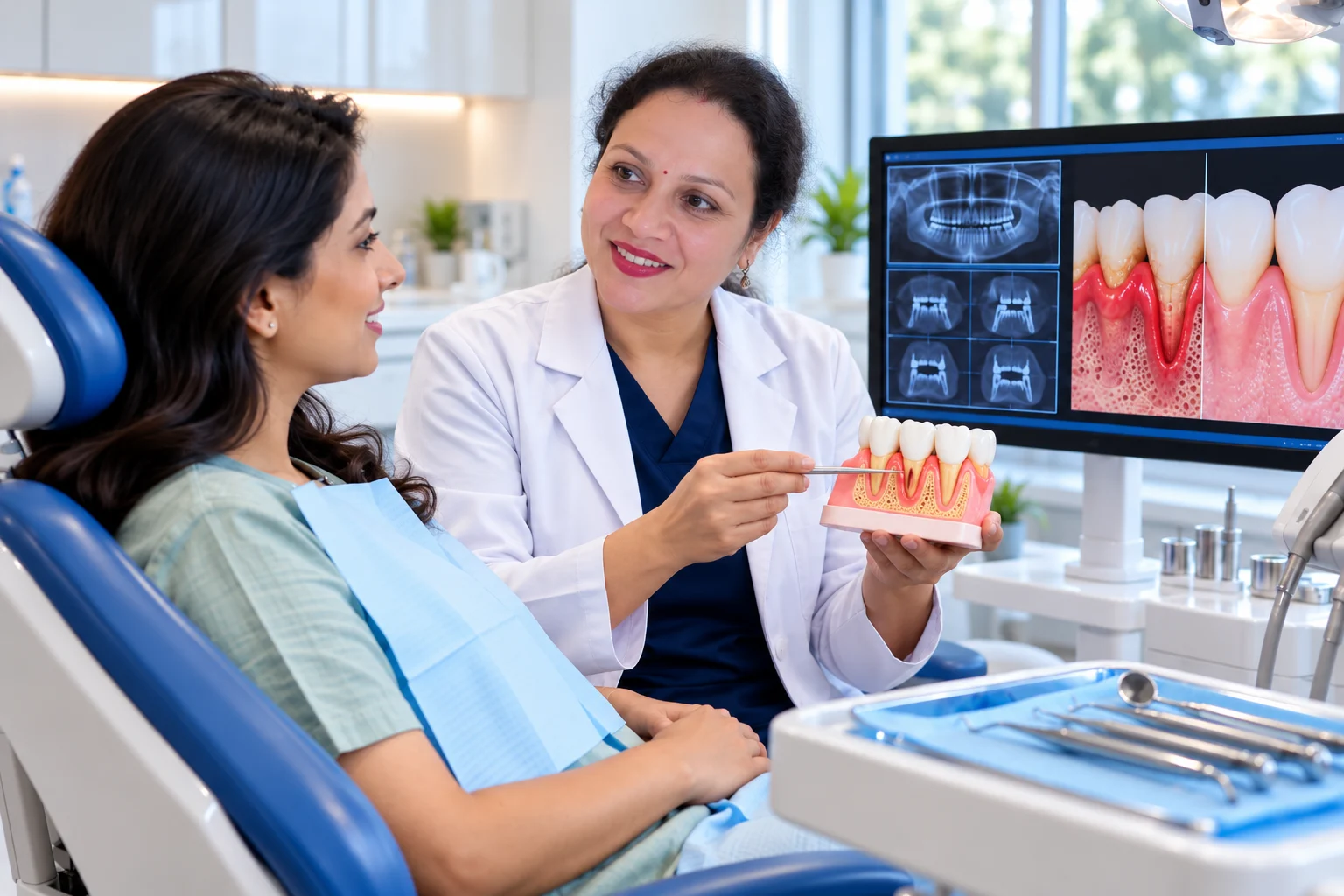
A Personalized Approach to Gum & Periodontal Care
No two periodontal situations are exactly the same. Periodontal planning is influenced by the number of bleeding, swollen or infected gums, teeth and bite, gum and bone health, bite, facial support, aesthetics, medical factors, expectations, time and budget. For this reason, the periodontal treatment should be planned after individual assessment.
Factors We Consider
- • Age
- • Oral hygiene
- • Previous dental treatment
- • Existing restorations
- • Dental history
- • Diet
Individual Periodontal Factors
- • Medical conditions
- • Medications
- • Risk of tooth decay
- • Gum health
- • Current symptoms
- • Clinical findings
Your periodontal treatment should be based on your individual needs. At Dr. Kashmira Jathar Dental Clinic, periodontal treatment planning focuses on understanding the bleeding, swollen or infected gums, teeth and bite, gums, bone, bite, comfort, aesthetics and long-term maintenance needs before selecting an appropriate option.

Meet Dr. Kashmira Jathar, BDS
Dr. Kashmira Jathar is a BDS-qualified dentist with more than 20 years of dental practice experience, registered with the Maharashtra State Dental Council (Reg. No. A-14093 M, 2007). She is a member of the Indian Dental Association and the Saturday Club.
Her practice focuses on individual assessment and treatment planning for gum disease, bleeding gums, gum infection and periodontal problems, including nonsurgical periodontal care and gum surgery when clinically indicated.
Gum & Periodontal Treatment FAQs
Bleeding gums can be associated with gingivitis or periodontitis, but bleeding alone does not establish a diagnosis. Other causes include aggressive brushing, poor interdental cleaning, local irritation, certain medicines and systemic or hormonal factors.
Visiting the Clinic
Elegance Smile Studio is located in Pimple Saudagar, Pune, serving patients across Pimpri-Chinchwad and the surrounding areas for periodontal and periodontal treatment care.
Related Services
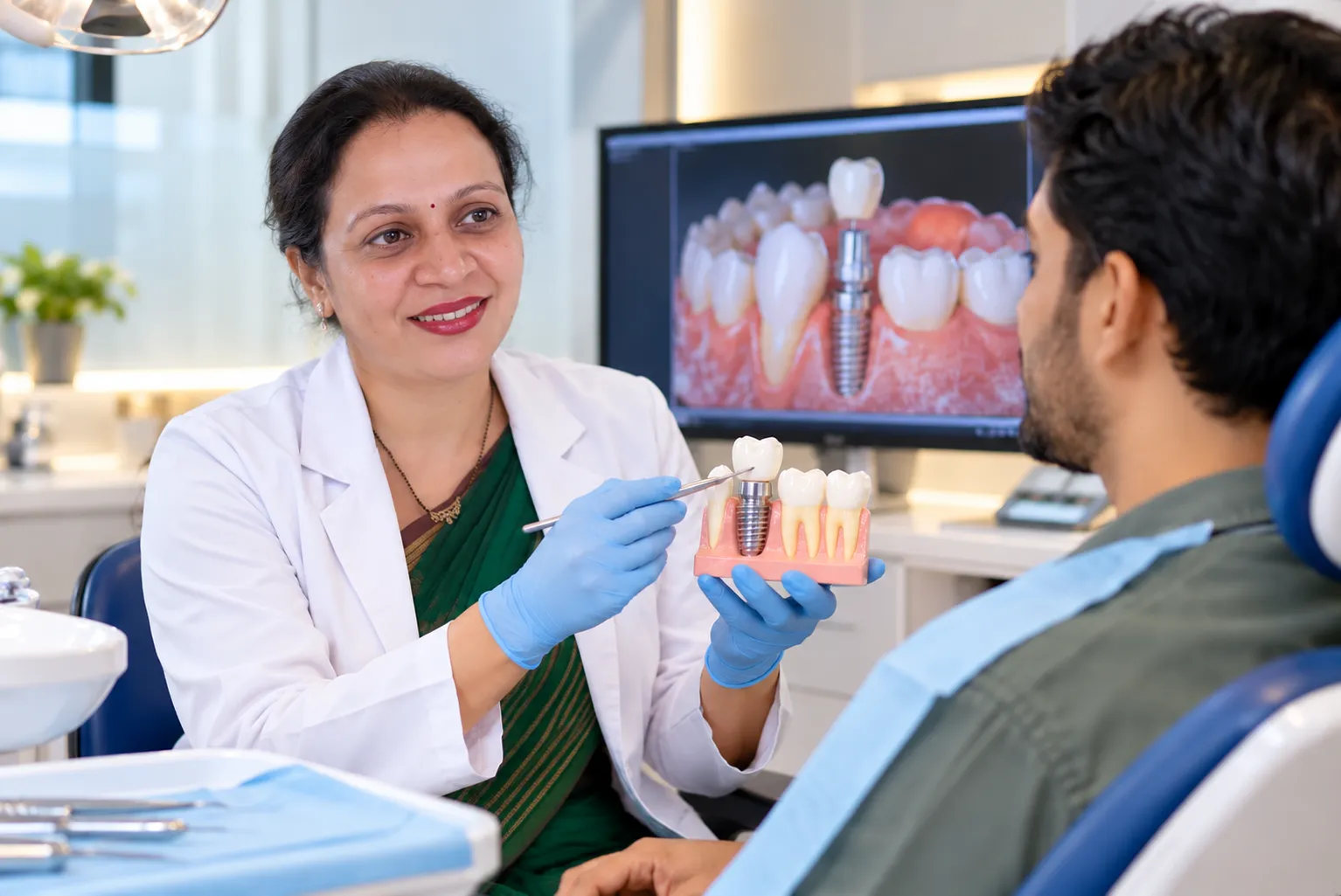
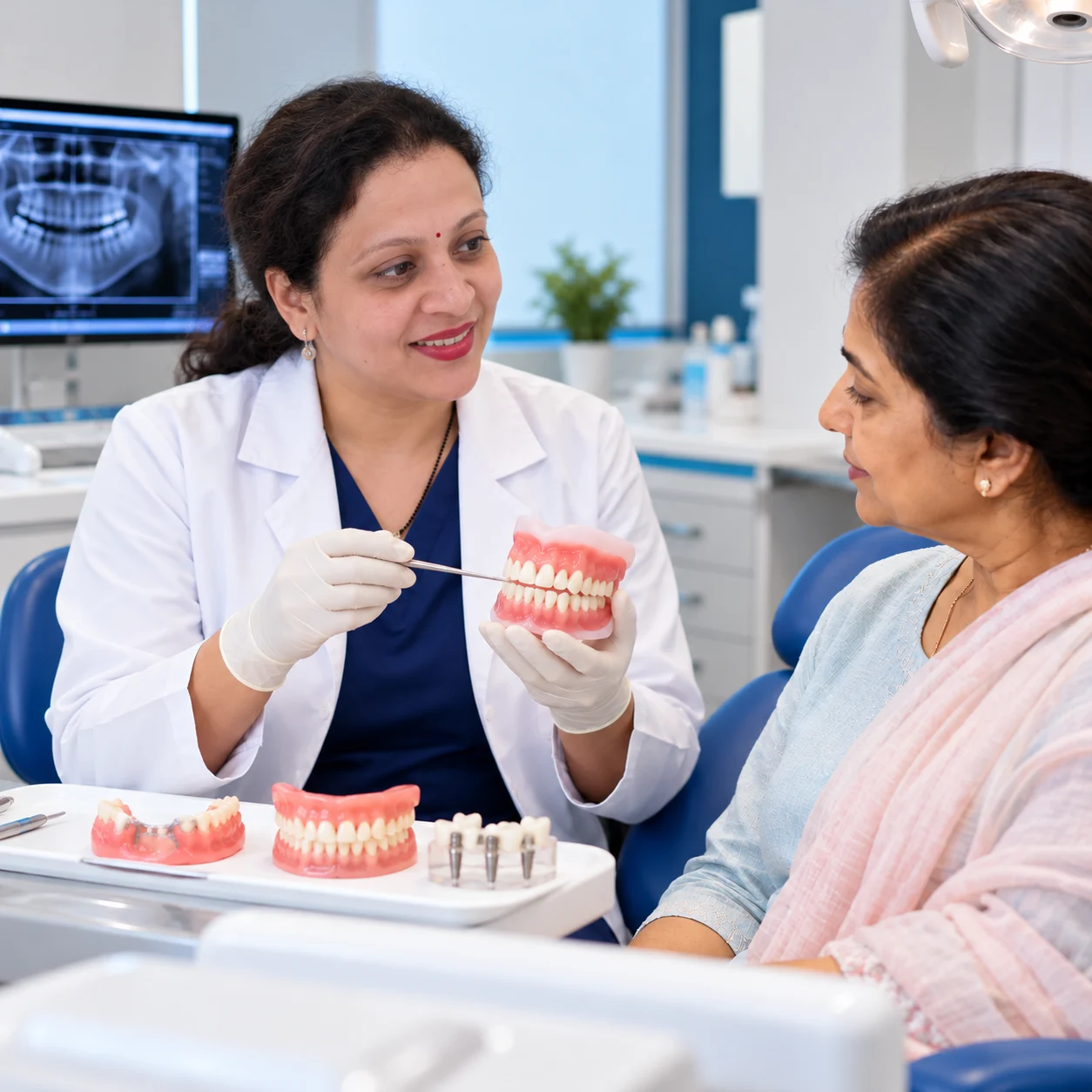


Book a Gum & Periodontal Treatment Appointment
Whether you have bleeding or swollen gums, persistent bad breath, gum infection, deep periodontal pockets or loose teeth, the first step is an individual periodontal assessment. Call or WhatsApp to arrange a consultation with Dr. Kashmira Jathar, BDS.
Sources & Review
Information on gum disease, bleeding gums, gum infection, periodontal pocketing, scaling and root planing, periodontal therapy, gum surgery, maintenance and treatment planning is based on the Gum & Periodontal Treatment patient guide. Treatment suitability varies by individual periodontal findings, risk factors and clinical condition. Page content reviewed by Dr. Kashmira Jathar, BDS.